- AI Fire
- Posts
- 👨💻 Code Will Not Die

In partnership with


Is AI replacing coders... or creating more demand than ever before? Stack Overflow says code demand is exploding, OpenAI is expanding Sora 2 into programmable video creation, and a new paper backed by Yann LeCun says “general AI” may be the wrong goal.
What's on FIRE 🔥
IN PARTNERSHIP WITH MINTLIFY
Ship Docs Your Team Is Actually Proud Of

Mintlify helps you create fast, beautiful docs that developers actually enjoy using. Write in markdown, sync with your repo, and deploy in minutes. Built-in components handle search, navigation, API references, and interactive examples out of the box, so you can focus on clear content instead of custom infrastructure.
Automatic versioning, analytics, and AI powered search make it easy to scale as your product grows. Your docs stay accurate automatically with AI-powered workflows with every pull request.
Whether you're a dev, technical writer, part of devrel, and beyond, Mintlify fits into the way you already work and helps your documentation keep pace with your product.
AI INSIGHTS
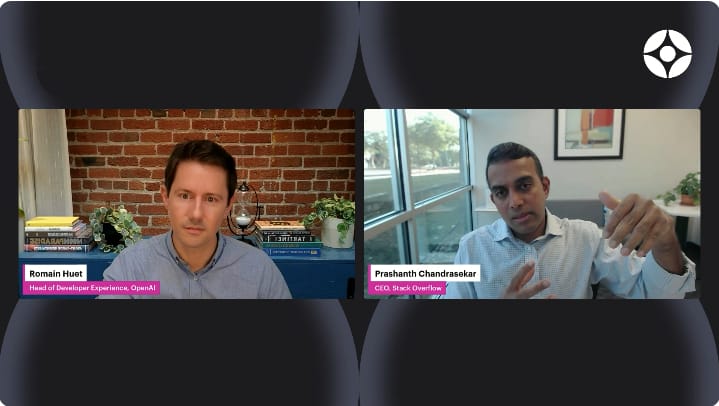
A recent meeting between Stack Overflow CEO & OpenAI Head of Dev Experience
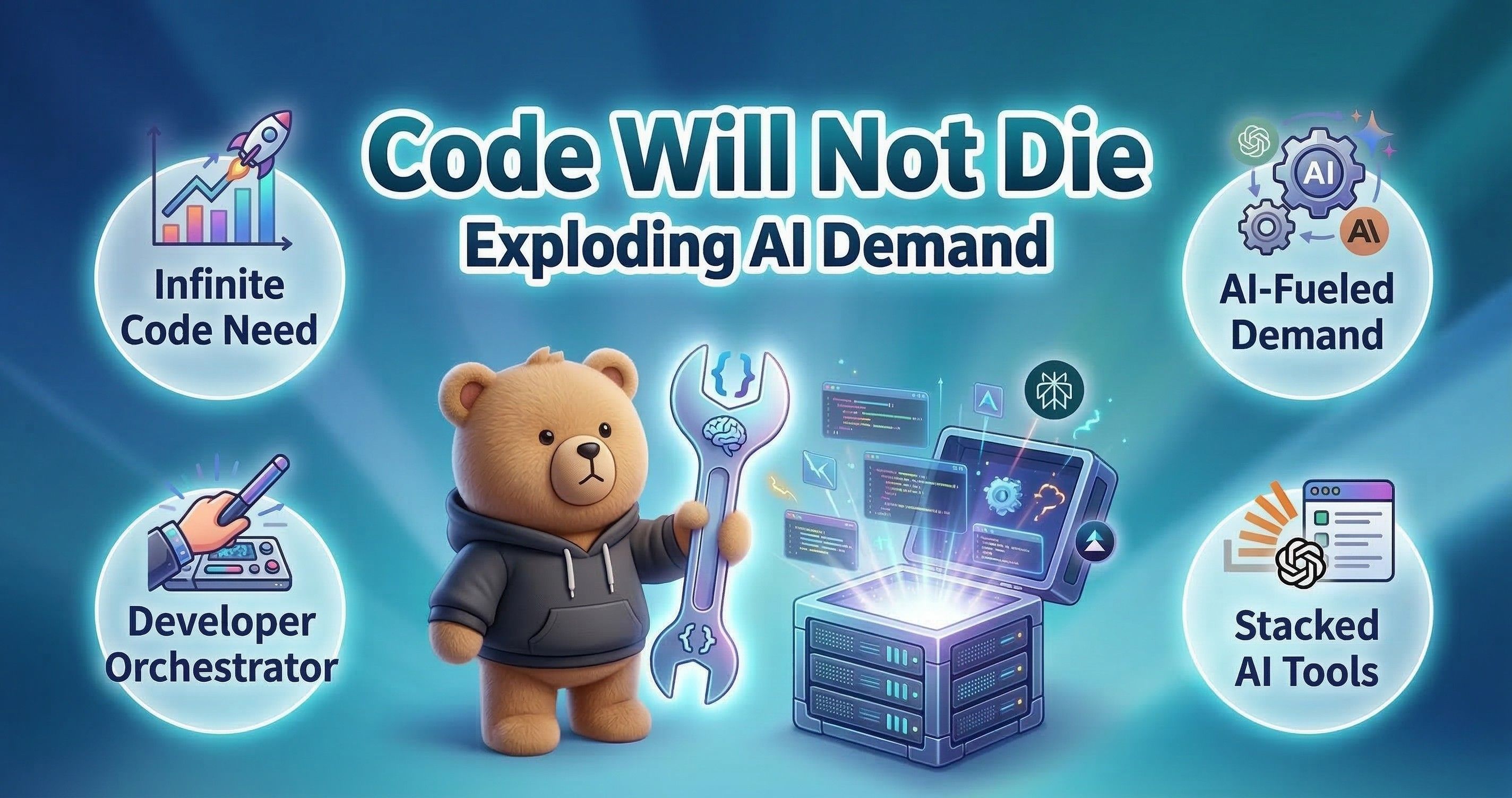
Stack Overflow recently published a blog explaining why AI won’t reduce the need for developers. In fact, they argue the opposite, demand for code is becoming nearly infinite.
Instead of replacing engineers, AI is acting more like a super-powered collaborator. Developers can now move faster because AI helps with tasks like:
Writing boilerplate code
Fixing syntax errors
Generating initial prototypes
Explaining complex libraries
This allows teams to attempt bigger and more complex projects that previously felt unrealistic. Stack Overflow describes this moment as a Cambrian explosion of AI software. Organizations are now rushing to hire more engineers.
AI is also changing what programming looks like. Instead of writing every line manually, developers are starting to work more like AI orchestrators. In short, developers move from typing code to directing intelligent tools.
And as long as humans keep finding new problems to solve, the demand for code, and developers, will keep growing.
PRESENTED BY DEEL
Hiring in 8 countries shouldn't require 8 different processes

This guide from Deel breaks down how to build one global hiring system. You’ll learn about assessment frameworks that scale, how to do headcount planning across regions, and even intake processes that work everywhere. As HR pros know, hiring in one country is hard enough. So let this free global hiring guide give you the tools you need to avoid global hiring headaches.
AI SOURCES FROM AI FIRE
1. What is an AI Operating System? One System Every Business MUST Have in 2026. AI tools were only step one. An AI operating system organizes them into one system that actually works. Here’s how it changes business.
2. Live Workshop: How to Create Professional Slideshow with AI for FREE (Using NotebookLM, Gamma, Manus, Kimi). Download the full prompts, notes, and the ready-to-use workflow mentioned inside this video.
3. From Zero to Your First Working AI Agent in Under 25 Minutes (No Code Needed). Skip the complex programming. We show you how to create a brilliant agent that manages your daily tasks with zero effort now. You don’t need code, frameworks, or a big setup.
4. ChatGPT vs. Claude vs. Gemini vs. Grok vs. Perplexity: Tips to Make Use of Each One! I’ll break down their real strengths so you can pick the one that actually fits your workflow.
TODAY IN AI
AI HIGHLIGHTS
🔥 Cursor just launched CursorBench, a new benchmark built from real developer sessions to test how AI coding agents actually perform in production, not just on toy puzzles. See why it matters here.
🎬 OpenAI expanded its Video API with Sora 2, adding scene continuation, reusable characters, and batch rendering so teams can generate and extend consistent video clips directly from code. Full update here.
⚙️ OpenAI just rolled out Automations in the Codex app, letting you reuse workflows, choose reasoning levels, and handle recurring tasks like repo briefings, issue triage, and PR follow-ups. More details here.
📊 Anthropic gave Claude a big upgrade with interactive charts and diagrams generated directly inside chat, now live in beta on all plans, including free. See what it can do here.
🏥 Microsoft just introduced Copilot Health, a secure health space that connects medical records, wearable data, and health history to turn scattered information into personalized insights you can actually use. Join the waitlist here.
💰 Big AI Fundraising: Replit has raised $400M in a Series D round led by Georgian, reaching a $9B valuation. Backers include Andreessen Horowitz, Coatue, Y Combinator, Qatar Investment Authority, Accenture Ventures, Databricks Ventures, Okta Ventures, and Tether, as the company expands its AI software creation platform and rolls out Agent 4.
HOT PAPERS OF THE WEEK
Helios: Real-Time Long Video Generation
Researchers from Peking University and ByteDance built a 14B video model that generates minute-long videos at 19.5 FPS on one NVIDIA H100, reducing drift without common tricks.
OpenClaw-RL: Train Agents Just by Using Them
Princeton University introduces an RL framework where agents learn from conversation feedback, tool outputs, and GUI interactions, improving continuously during real use.Claude Finds Firefox Vulnerabilities
Anthropic tested Claude Opus 4.6 with Mozilla and discovered 22 Firefox vulnerabilities in two weeks, including 14 high-severity bugs.
NEW EMPOWERED AI TOOLS
🧠 Perplexity Computer Skills imports SKILL.md workflows directly, activating them automatically across 19 AI models.
🗺️ Ask Maps by Google answers real-world questions about places, with Gemini-powered search and immersive navigation.
📱 Pinnacle turns your phone into a brain performance coach, using sensors and AI conversation to improve focus.
📄 Fowel by Hackmamba reviews documentation in GitHub PRs, catching errors and missing context instantly.
AI BREAKTHROUGH
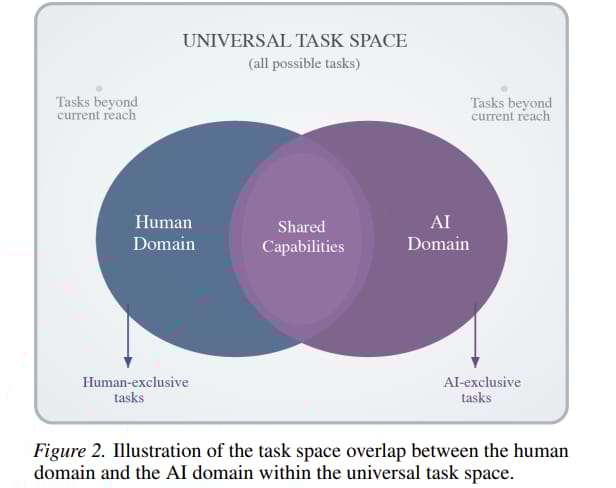
For years, the main target has been general AI, machines that can do everything a human can do. But they suggest this approach is flawed. Instead, the researchers propose a new idea called Superhuman Adaptable Intelligence (SAI).
The paper says humans are not truly general intelligences. Human intelligence growed mainly for physical survival, not for solving every possible problem. Our brains are optimized for things like:
Seeing and recognizing objects
Moving through the physical world
Social interaction
Basic reasoning needed for survival
These abilities feel “general” to us only because they are essential for staying alive. But outside this survival zone, humans struggle. Instead of building one giant system that can do everything, the researchers propose specialized AI systems that can adapt quickly. The idea is simple:
AI should learn generic knowledge through self-supervised learning
It should build internal world models to understand how things work
Then it can adapt rapidly to new tasks
The key metric becomes how fast a system can learn new skills, not whether it mimics human abilities. The dream of one universal AI may be misguided?
We read your emails, comments, and poll replies daily
How would you rate today’s newsletter?Your feedback helps us create the best newsletter possible |
Hit reply and say Hello – we'd love to hear from you!
Like what you're reading? Forward it to friends, and they can sign up here.
Cheers,
The AI Fire Team
Reply