- AI Fire
- Posts
- ⚡️ 6 Final AI Trends Show How Work Will Flip in 2026 (Backed by Real Data)
⚡️ 6 Final AI Trends Show How Work Will Flip in 2026 (Backed by Real Data)
Move past the hype with real data from McKinsey and OpenAI. Learn why model wars ended and how workflows are replacing the dream of autonomous agents.

Neil Phan
January 21, 2026
TL;DR
The 2026 AI landscape moves beyond the "best model" debate, as performance gaps between GPT, Claude, and Gemini vanish. Success now depends on building efficient "Human-in-the-Loop" workflows rather than waiting for fully autonomous agents, which remain rare in enterprise. Non-technical users are gaining superpowers by using AI to write code for custom tools, while data context - not prompt engineering, becomes the new competitive advantage.
Key points
Trend: Models are becoming commodities; choose based on workflow integration (e.g., Gemini for Google users).
Reality: Only 10% of companies scale autonomous agents; 20% succeed with human-guided workflows.
Shift: "Context" (your data) is now more important than "Prompting" (magic words).
Critical insight
Don't switch tabs to find the "smartest" AI; stick to the one already integrated into your daily apps to save mental energy.
🗳️ Poll: Is your workflow ready for the 2026 AI shift? 🚀 |
Table of Contents
If you search for AI trends today, you will find a mountain of predictions. Companies like Microsoft, Bloomberg, Forbes, and countless tech influencers are all releasing their own lists of what to expect. It is overwhelming.
You might see one report saying robots will take every job, while another says AI is just a bubble that will pop soon. It is hard to know who to trust or what to actually do with all this information.
At AI Fire, we did the hard work for you. We spent time researching full reports and pulling real data from the most trusted names in the industry: McKinsey, Stanford University, OpenAI, and Epoch AI. We didn’t just look at the headlines; we tested these tools and workflows ourselves to see what actually works.
In this guide, we will look at 6 AI trends 2026 that are backed by numbers and real-world results. These aren't just guesses about the future. These are changes happening right now that will affect your daily job, whether you are a manager, a teacher, or a small business owner.
While navigating these changes, you can further sharpen your competitive edge by learning how to master the digital workforce with 5 high-income AI moves designed for those starting from zero.
Part I: Why Is The "Best AI Model" Debate Over In AI Trends 2026?
The debate over which AI model is smartest has become irrelevant because performance across top-tier models like ChatGPT, Claude, and Gemini is now nearly identical.
Instead of chasing slight benchmarks, the focus has shifted to efficiency and integration, users should choose the model that fits their existing ecosystem (e.g., Gemini for Google users). With open-weight models like Llama performing just as well as expensive proprietary ones, AI has officially become a commodity like electricity.
Key takeaways
Trend: Performance gaps between top models are disappearing.
Shift: AI is now a commodity; utility matters more than raw intelligence.
Advice: Choose based on "friction"—use the AI already inside your apps.
Fact: Hardware efficiency has improved 105,000x in a decade.
You probably saw people on social media comparing GPT-5 to Claude 3 or Gemini 1.5. It felt like a race where the leader changed every week. But as we enter 2026, that race has reached a plateau.
1. The Gap Between Models Is Disappearing
Recent data from Artificial Analysis shows that the performance of top-tier models is clustering together. This means if you give the same task to ChatGPT, Claude, and Gemini, the quality of the answers is now very similar.
In the past, one might be way better at math and another better at writing. Now, they are all becoming "good enough" at almost everything.
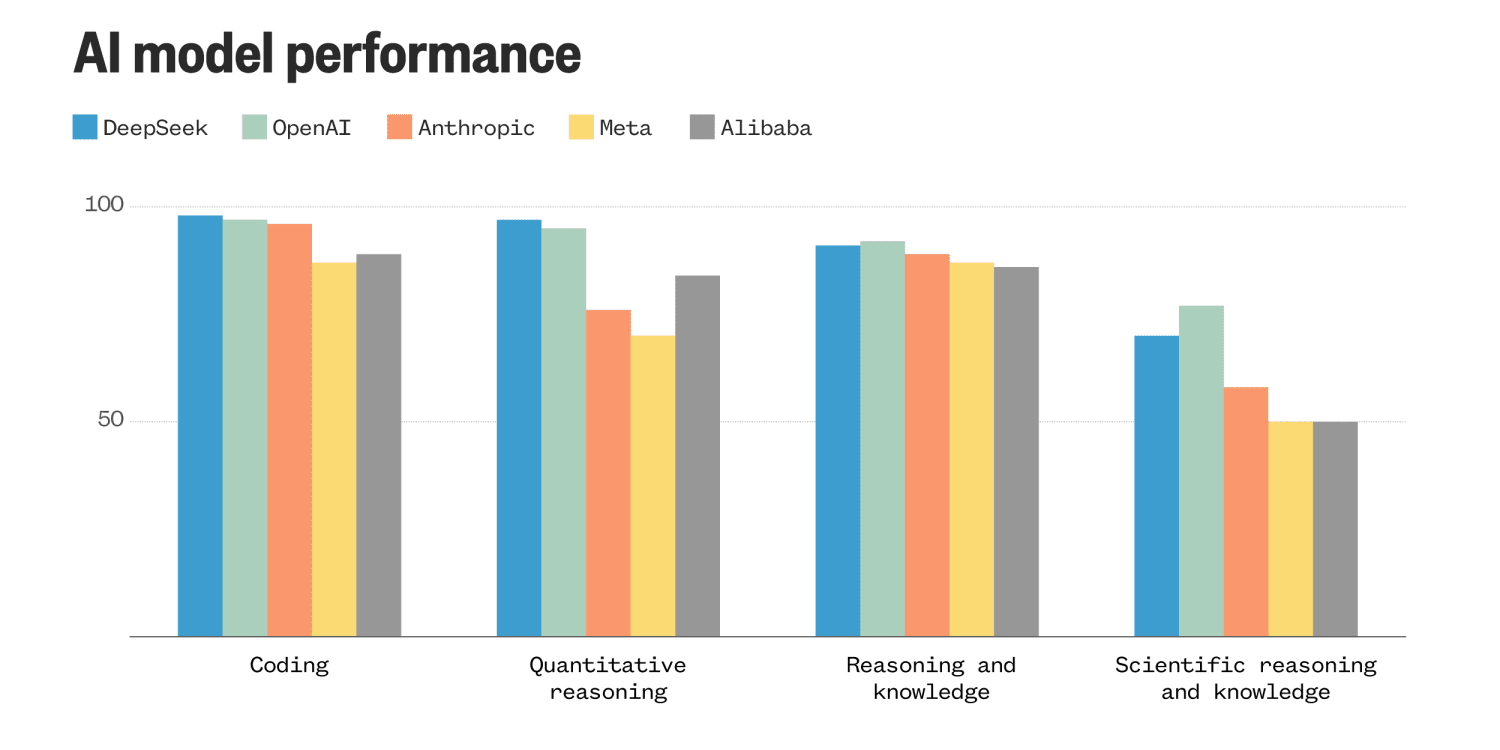
Even more interesting is the rise of open-weight models like Llama or DeepSeek. Stanford University's research confirms that these free or lower-cost models are now performing nearly as well as the expensive "frontier" models from big tech companies.
2. Efficiency and Cost
According to Epoch AI, the hardware running these models has become incredibly efficient. NVIDIA's latest chips use 105,000 times less energy to create a piece of text than chips from a decade ago.
When something becomes cheap and the quality is similar across the board, it becomes a "commodity." Like water or electricity, you stop caring about who provides it. You just care that it works when you turn it on. This is a major shift in AI trends 2026.
Learn How to Make AI Work For You!
Transform your AI skills with the AI Fire Academy Premium Plan - FREE for 14 days! Gain instant access to 500+ AI workflows, advanced tutorials, exclusive case studies and unbeatable discounts. No risks, cancel anytime.
3. How To Choose Your Tool
Since the "brains" of the AI are similar, you should choose based on "friction." Ask yourself: where do I already spend my time?
Google Users: If you live in Gmail and Google Docs, Gemini is your best choice because it can see your files.
Microsoft Users: If you use Excel and Word, Copilot makes the most sense.
Safety Seekers: If you are a developer or work with sensitive data, Claude is often preferred for its focus on safety and coding.
Personal Tip: I used to switch tabs constantly to find the "smartest" answer. Now, I just stay in the app I am already using. It saves me 30 minutes of "tab-switching" fatigue every day.
Part II: Is 2026 The Year Of AI Workflows Instead Of AI Agents?
While autonomous AI agents get the hype, less than 10% of companies have successfully deployed them due to high risks and error rates.
The real winner in 2026 is the "AI Workflow," where humans remain in control of critical steps while AI handles the heavy lifting in a structured sequence. This practical approach allows for reliable automation in tasks like customer service and content creation without the dangers of letting an AI run wild.
This rising demand for structured automation is exactly why providing workflow services has become one of the 6 profitable AI businesses to start in 2026 for anyone looking to capitalize on boring but highly underrated models.
Key takeaways
Stat: <10% of firms scale autonomous agents; 20% succeed with workflows.
Definition: Workflows keep humans in the driver's seat; agents drive themselves.
Example: AI drafts the social post, but a human hits "Publish."
Action: Break tasks into steps and ask AI to automate specific parts.
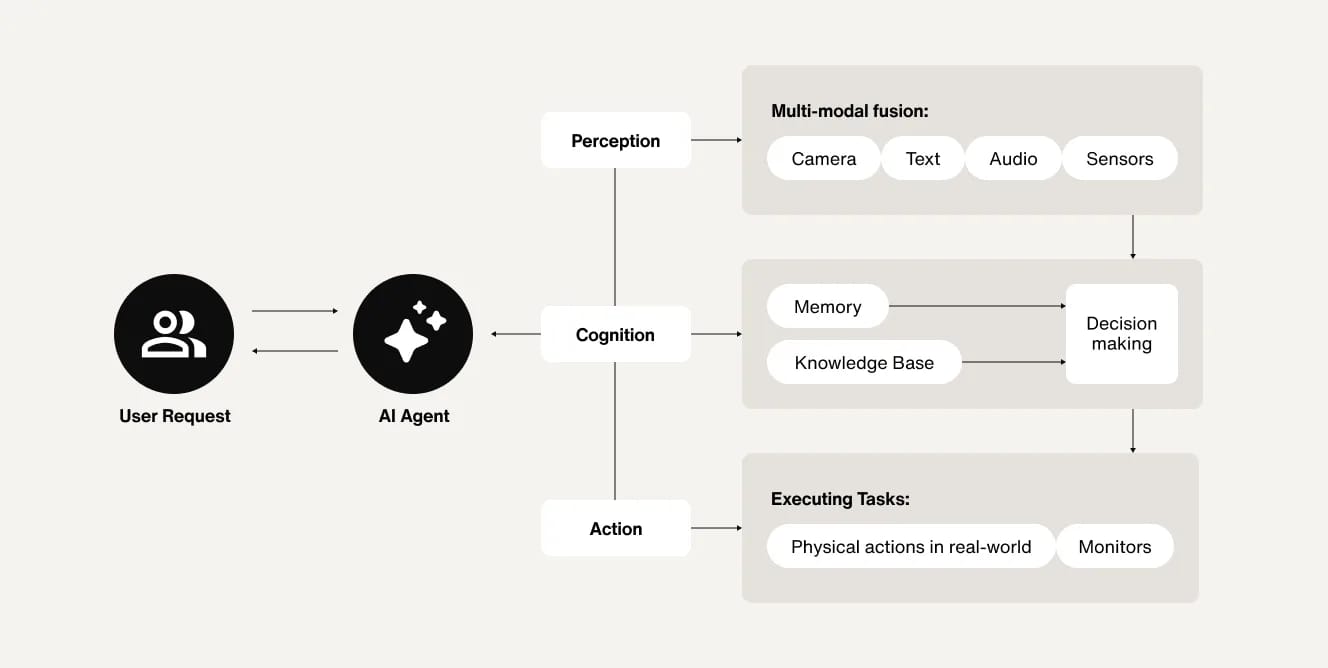
You might have heard the term "AI Agents" a lot lately. People imagine an AI that acts like a human employee, you give it a goal, and it goes off to do 50 different steps by itself while you go get coffee. While that sounds cool, the data says we aren't there yet.
1. The Reality Check
McKinsey surveyed thousands of companies and found that less than 10% have successfully scaled true, autonomous AI agents.
Why? Because giving an AI total control is risky. It can make mistakes, it’s hard to monitor, and it raises big security questions.
Instead, 20% of enterprise AI use is happening through "Workflows." A workflow is a specific series of steps where the AI does the heavy lifting, but a human stays in the driver's seat. This is the most practical of the AI trends 2026.
2. Real-World Examples
Customer Service: Instead of an AI agent trying to solve a complex refund (and failing), a workflow has the AI verify the customer's ID and summarize their history first. Then, it hands the case to a human to make the final decision.
Content Creation: You don't ask AI to "manage my social media." You create a workflow: 1. You provide a transcript. 2. AI pulls out 5 key points. 3. AI drafts 5 posts. 4. You edit and hit "Post."
3. Building Your First Workflow
Don't wait for a magic agent. Start building workflows today. Here is a prompt example you can use to turn a messy task into a clean workflow.
Prompt Example for a Report Workflow:
I need to create a weekly sales report. Here is a list of steps I usually take: [List your steps]. Can you help me identify which of these steps can be automated using you (the AI), and which steps I should keep for myself to ensure quality? Also, suggest a way we can work together step-by-step so I can review your work at each stage.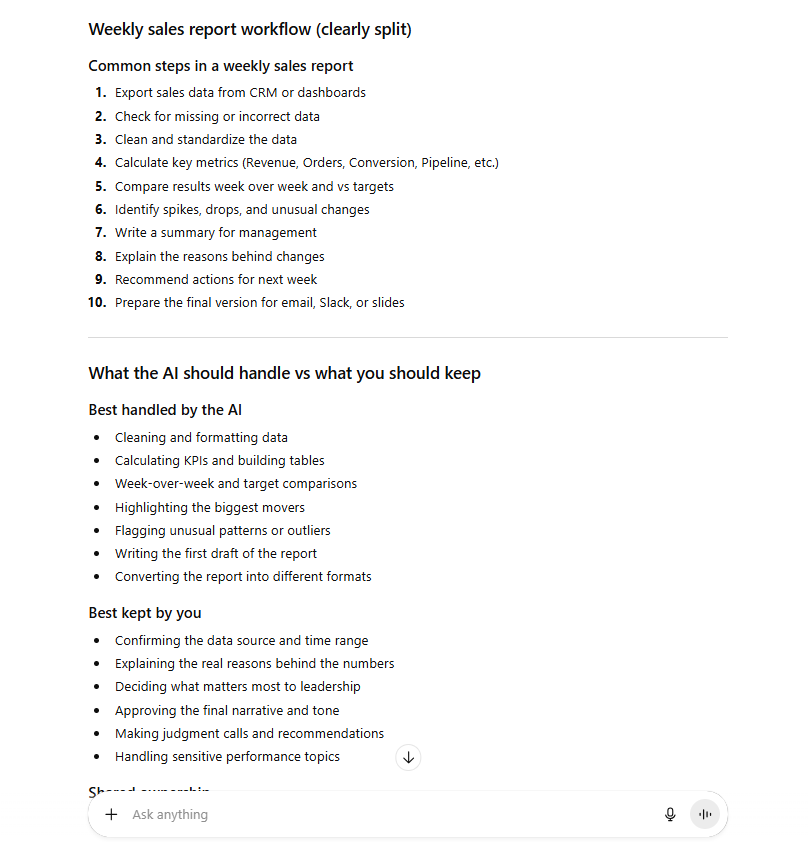
Part III: How Can Non-Technical People Build Technical Things In AI Trends 2026?
This is perhaps the most exciting change for most of us. In the past, if you wanted to build a website or a data dashboard, you had to learn how to code or hire someone who did. That technical wall has been knocked down.
1. The Equalizer Effect
A study from MIT found that AI helps people with lower skills much more than it helps experts. If you are already a world-class coder, AI makes you a little faster. But if you have zero coding skills, AI gives you a superpower you never had.
OpenAI’s reports show that coding-related messages from non-technical staff (like marketers or HR) grew by 36% in just half a year. People are building their own tools instead of waiting for the IT department.
2. Focus On "Problem Solving," Not "Syntax"
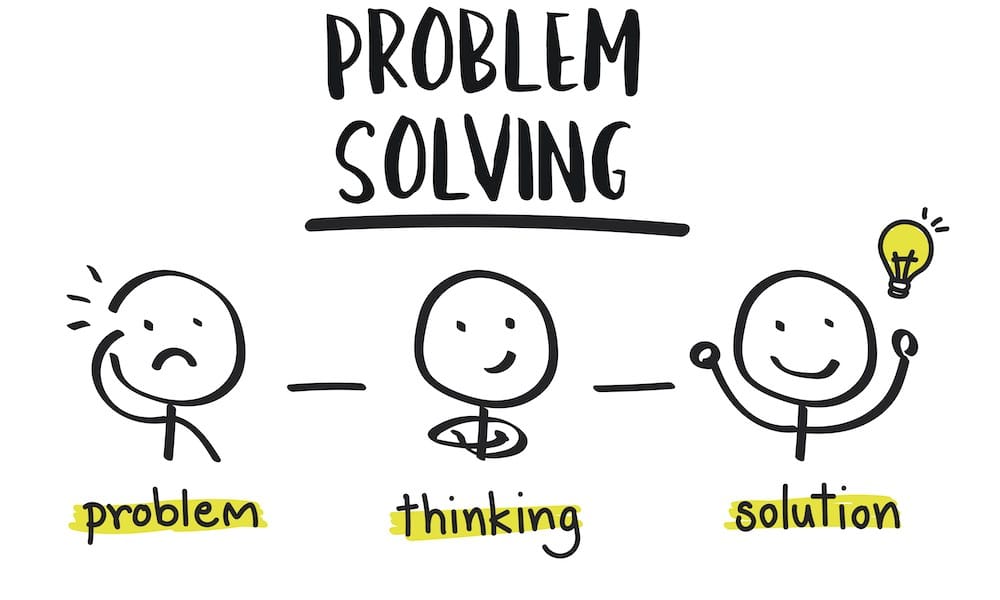
In AI trends 2026, your value is not knowing where the semicolons go in code. Your value is understanding the business problem. If you know what needs to be solved, the AI can handle the how.
Try this "Impossible Task":
Think of a small tool that would make your life easier. Maybe a button that automatically formats a messy spreadsheet.
Prompt Example:
I have a spreadsheet with customer names in all different formats (some all caps, some lowercase, some with weird symbols). I want a Google Apps Script that I can run to clean these names automatically. I don't know how to code. Please give me the code and tell me exactly where to click in Google Sheets to paste it and make it work.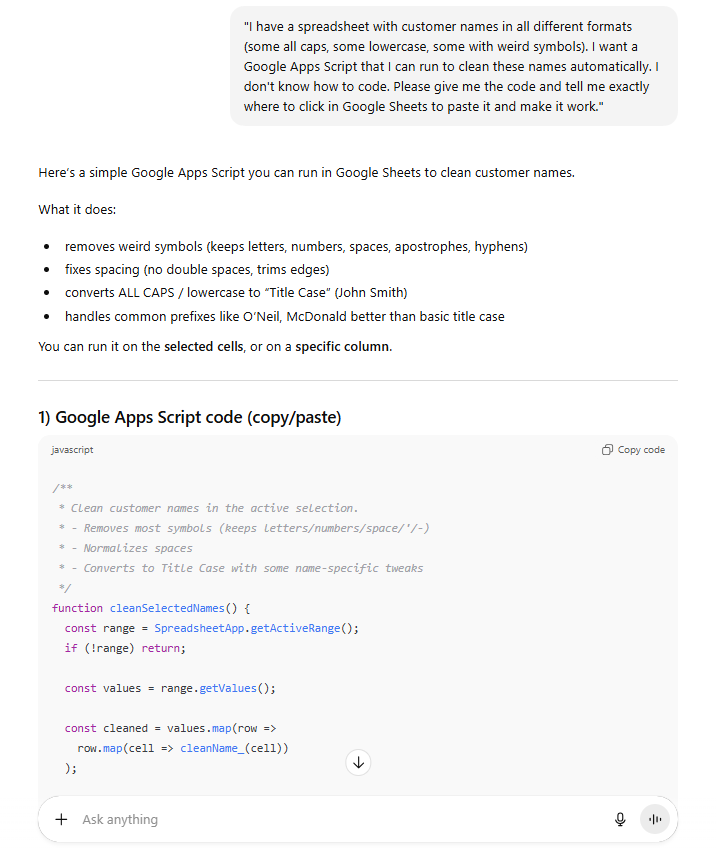
You don't need to be a tech person anymore. You just need to be a curious person.
Part IV: Does Context Matter More Than Prompting In AI Trends 2026?
In 2023 and 2024, everyone was obsessed with "prompt engineering." People sold courses on the "perfect magic words" to get the best out of AI. But with AI trends 2026, the AI is smart enough to understand you even if you don't use perfect grammar.
The real bottleneck now is "Context." This shift means we are moving away from simple commands toward a more sophisticated approach; to master this, you should look into the battle between Prompt vs Context Engineering to understand why prompting gets you started, but context keeps you ahead.
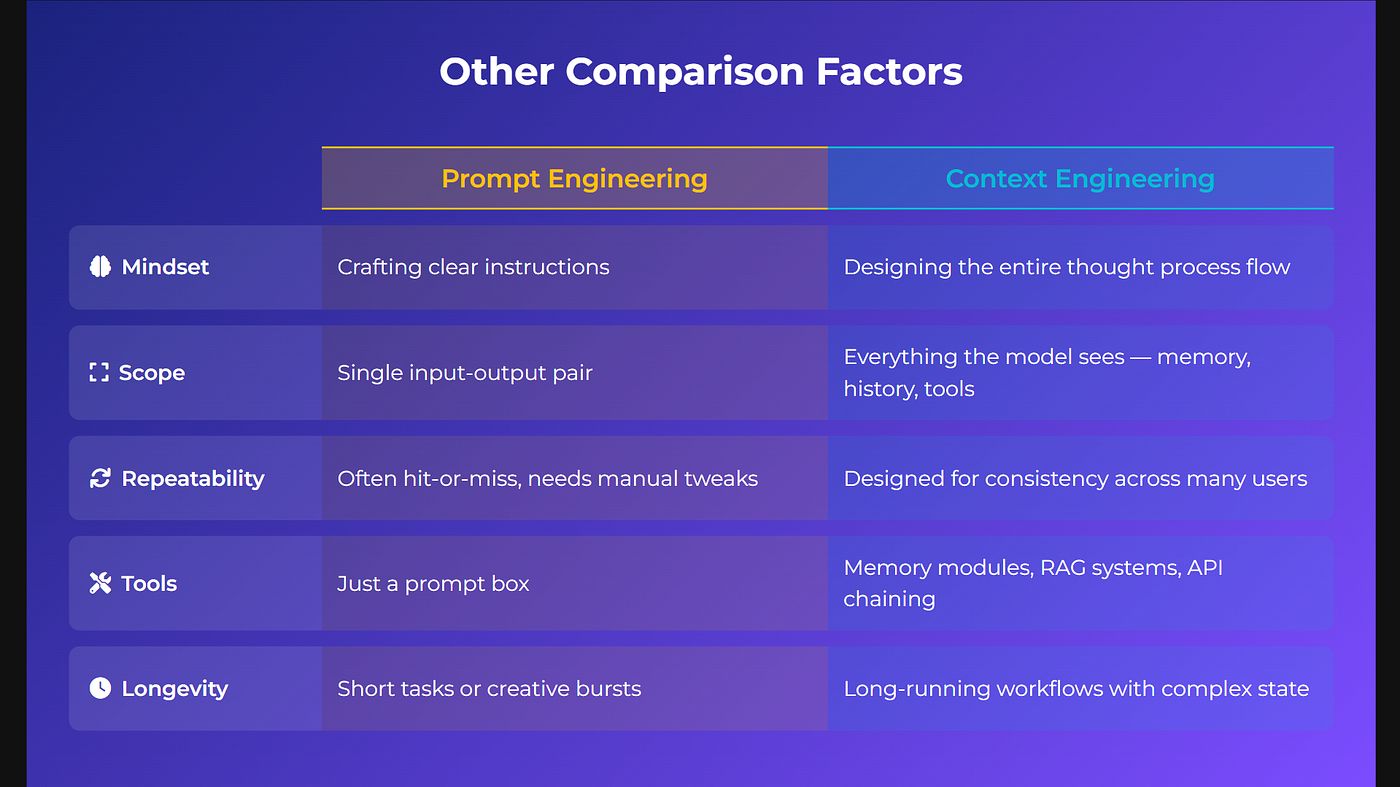
The AI knows everything on the public internet, but it knows nothing about you. It doesn't know your company's tone of voice, your project deadlines, or the conversation you had with your boss this morning. This is the "Fact Gap."
The winners in 2026 will be the people who have their data organized. If your files are scattered across Dropbox, Google Drive, and your Desktop, the AI cannot help you effectively.
The Power Of "Projects" And "Custom GPTs"
Tools like Claude Projects or ChatGPT GPTs allow you to upload your "Context" (PDFs, brand guides, past reports) so the AI remembers them every time you chat.
Prompt Example for Setting Context:
I am uploading 5 examples of my previous newsletters. Study my tone, the length of my sentences, and how I use headings. From now on, whenever I ask you to draft a post, use this specific style. Do not use corporate jargon or 'AI-sounding' words like 'transform' or 'harness'.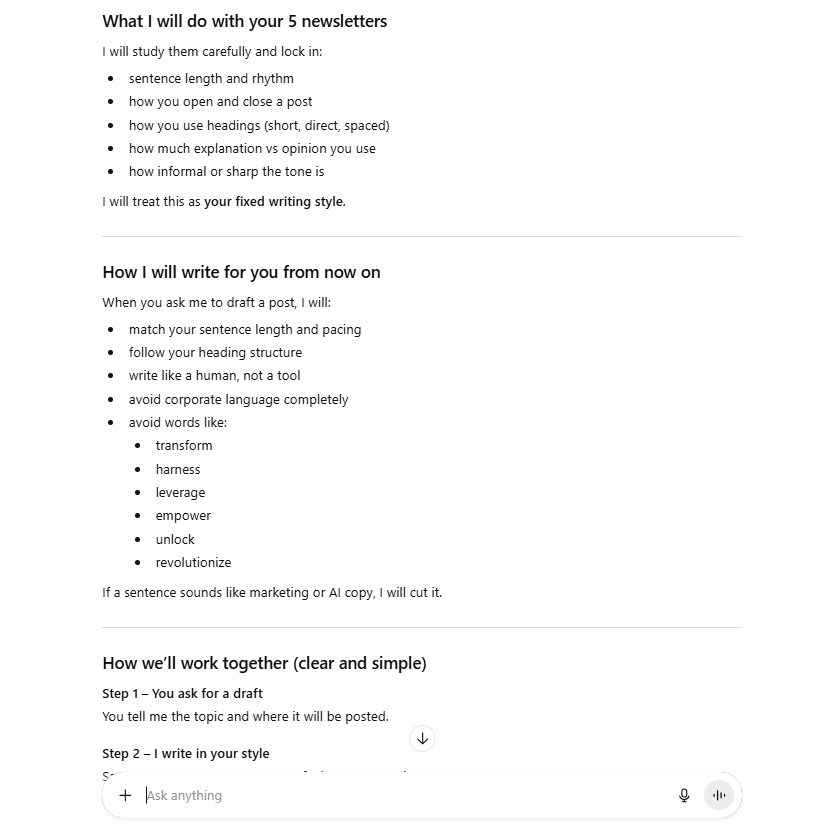
Part V: Are Ads Coming To AI Chatbots In AI Trends 2026?
It is officially confirmed: OpenAI will start showing ads in ChatGPT. While most of us hate ads, this is actually a necessary step for the industry.
1. The Cost Of Free
Running these AI models costs millions of dollars every single day. According to reports from The Information, OpenAI could face annual losses of up to $5 billion just to cover electricity and server costs. A single ChatGPT query consumes nearly 10 times more electricity than a standard Google search. This makes "compute" one of the most expensive resources on the planet.
Currently, ChatGPT has over 800 million monthly users, yet it is estimated that less than 5% of them actually pay for a subscription. This 5% simply cannot subsidize the massive infrastructure required for the other 95%.
If companies relied solely on subscriptions, the best AI would become a luxury tool reserved only for the wealthy and large corporations, creating a massive "AI Divide" between the rich and the poor.
Ads are the "win-win" solution. They provide the necessary revenue for OpenAI to maintain its multi-billion dollar data centers, while ensuring that hundreds of millions of students and small business owners worldwide can still access world-class AI for free.
2. Universal Access
Ads allow companies to offer high-quality AI to students, non-profits, and people in developing countries for free. Think of it like YouTube. You can choose to pay for Premium, or you can watch a few ads and get the same world-class content for free.
3. What Will They Look Like?
Experts believe ads won't be mixed into the AI's advice. For example, if you ask "How do I fix a leaky pipe?", the AI shouldn't say "Buy Brand X Wrench" just because they paid for an ad.
That would ruin trust. Instead, you will likely see banner ads on the side of the screen, keeping the content and the ads separate.
Part VI: How Is AI Moving Into the Physical World in AI Trends 2026?
Up until now, AI has lived inside our screens. But in AI trends 2026, we are seeing "Embodied AI" - AI that has a physical body.
1. Self-Driving and Logistics
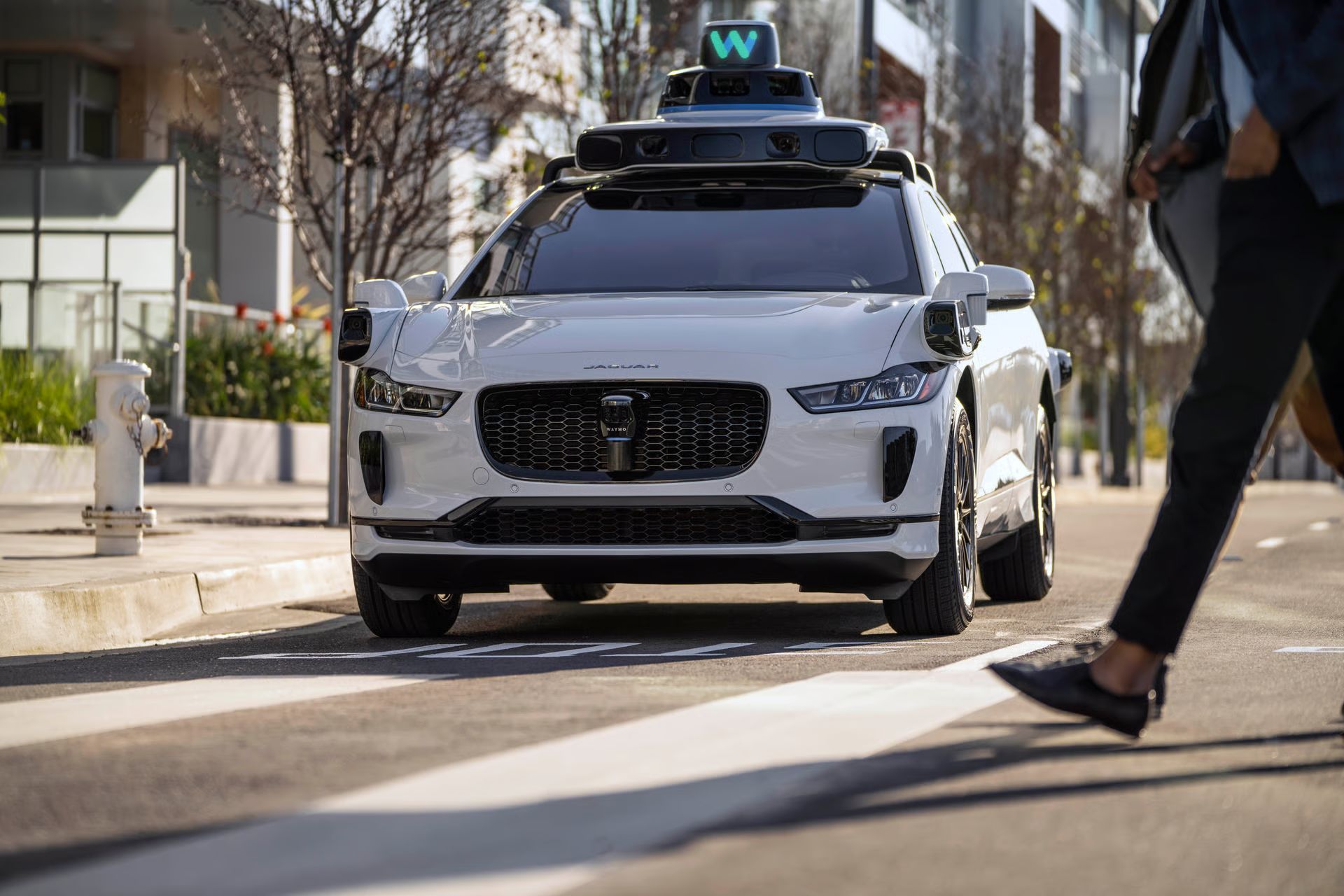
Waymo (owned by Google) has already driven over 100 million autonomous miles. Their cars are now 96% safer than human drivers. In cities like Phoenix or San Francisco, calling an AI taxi is becoming normal.
In warehouses, Amazon's robots are already cutting the time from "order" to "shipped" by nearly 80%. These are no longer just "dumb" robots because they represent the first wave of Physical AI which was the standout trend at CES 2026 in Las Vegas.
While previous years were about AI living inside a screen, Physical AI marks the moment AI gains a physical body to perceive, reason, and act in the real world.
This shift was the primary focus at CES 2026 where automakers and tech giants moved beyond simple automation. We saw this evolution in the Sony + Honda Afeela EV and Mercedes-Benz systems which use Physical AI to understand complex surroundings and make real-time decisions.
Hardware itself is also evolving as Nvidia and ARM are now shipping specialized chips to power these intelligent physical systems. In this new era, machines no longer simply depreciate over time but instead grow smarter through software updates, transforming a static piece of hardware into a living and evolving asset.
2. Capital Assets As Software
This is a big concept. Traditionally, when you bought a machine (like a car), it got worse over time.
In AI trends 2026, your machines get better over time. Your car gets a software update that makes its AI smarter at driving. The hardware stays the same, but the "brain" improves.
3. What About Humanoid Robots?
While videos of dancing robots are popular, experts like Rodney Brooks from MIT say we are still 15+ years away from having a robot in your house that can fold your laundry.
Don't worry about robots taking over physical chores just yet. The focus for now is on specialized machines like self-driving cars and warehouse arms.
Summary and Next Steps for AI Trends 2026
We have covered a lot of ground today. The world of AI is moving fast, but it is becoming more about how you use it and less about which model you use.
Quick Checklist:
Stop comparing models. Pick the one that is already in your email or office suite.
Think in workflows. Don't ask AI to do "everything." Ask it to do the boring parts of a 5-step process.
Build your own tools. Use AI to write code for you, even if you aren't a programmer.
Organize your context. Put your important files where your AI can "see" them.
Accept ads as a trade-off. They keep the technology accessible for everyone.
Watch the physical world. AI is starting to drive cars and move boxes; keep an eye on your industry's physical automation.
What should you do today?
I want you to pick one task you do every single week that feels like a "chore." Open your favorite AI tool and say: "I want to turn my [Task Name] into an AI-assisted workflow. Can you help me break it down into steps and tell me which parts you can do for me?"
Start small. One workflow at a time. That is how you win in 2026.
If you are interested in other topics and how AI is transforming different aspects of our lives or even in making money using AI with more detailed, step-by-step guidance, you can find our other articles here:
DeepSeek-V3.2 vs GPT-5 vs Gemini 3: Our Hands-On Test on Real Coding & Reasoning Tasks
6 Profitable AI Businesses to Start in 2026: Simple, Fast, and Still Underrated
Earn Money with MCP in n8n: A Guide to Leveraging Model Context Protocol for AI Automation*
Transform Your Product Photos with AI Marketing for Under $1!*
The AI Secret To Reports That Clients Actually Implement
*indicates a premium content, if any
How useful was this AI tool article for you? 💻Let us know how this article on AI tools helped with your work or learning. Your feedback helps us improve! |
Reply