- AI Fire
- Posts
- 💡 The Smart Marketer's Guide To Winning Google's AI Search
💡 The Smart Marketer's Guide To Winning Google's AI Search
Stop losing traffic to Google's AI. Learn the new rules of AI-powered SEO to get your brand cited, attract new customers, and future-proof your business.

Neil Phan
December 10, 2025
📊 How have Google's AI features affected your business so far? |
Table of Contents
Introduction
Remember when ranking on page 1 of Google was enough to win? Those days are over. In 2025, you can rank #1 and still lose customers because Google's AI has quietly changed the game. If your brand isn't being mentioned in those AI-generated results at the top of search pages, you might as well be invisible.
Google is no longer just a machine that displays a list of links. It has become what experts call a "curated answer engine" - and those answers come from content the algorithm trusts most. This shift has created a new opportunity called GEO (Generative Engine Optimization), and businesses that understand it are building massive brand authority while their competitors panic about traffic drops.
In this guide, we'll dive deep into how Google's AI features work, where the real opportunities lie, and most importantly - how you can "train" Google's AI to cite your brand as a trusted source. These aren't theoretical strategies. This is the exact system being used to help thousands of businesses grow through Google's new AI layer.
Understanding The Real Impact Of Google's AI Features
The Big Misconception Everyone Believes
Most business owners think Google's AI features are killing SEO and shrinking website traffic. That's completely wrong. Here's what's actually happening:
Google is becoming more like ChatGPT, and people are asking full questions instead of typing basic keywords. Question-based searches have exploded from 38% to 87% in just 8 months. Why? Because AI features are making Google incredibly useful for getting complete answers right on the search page.
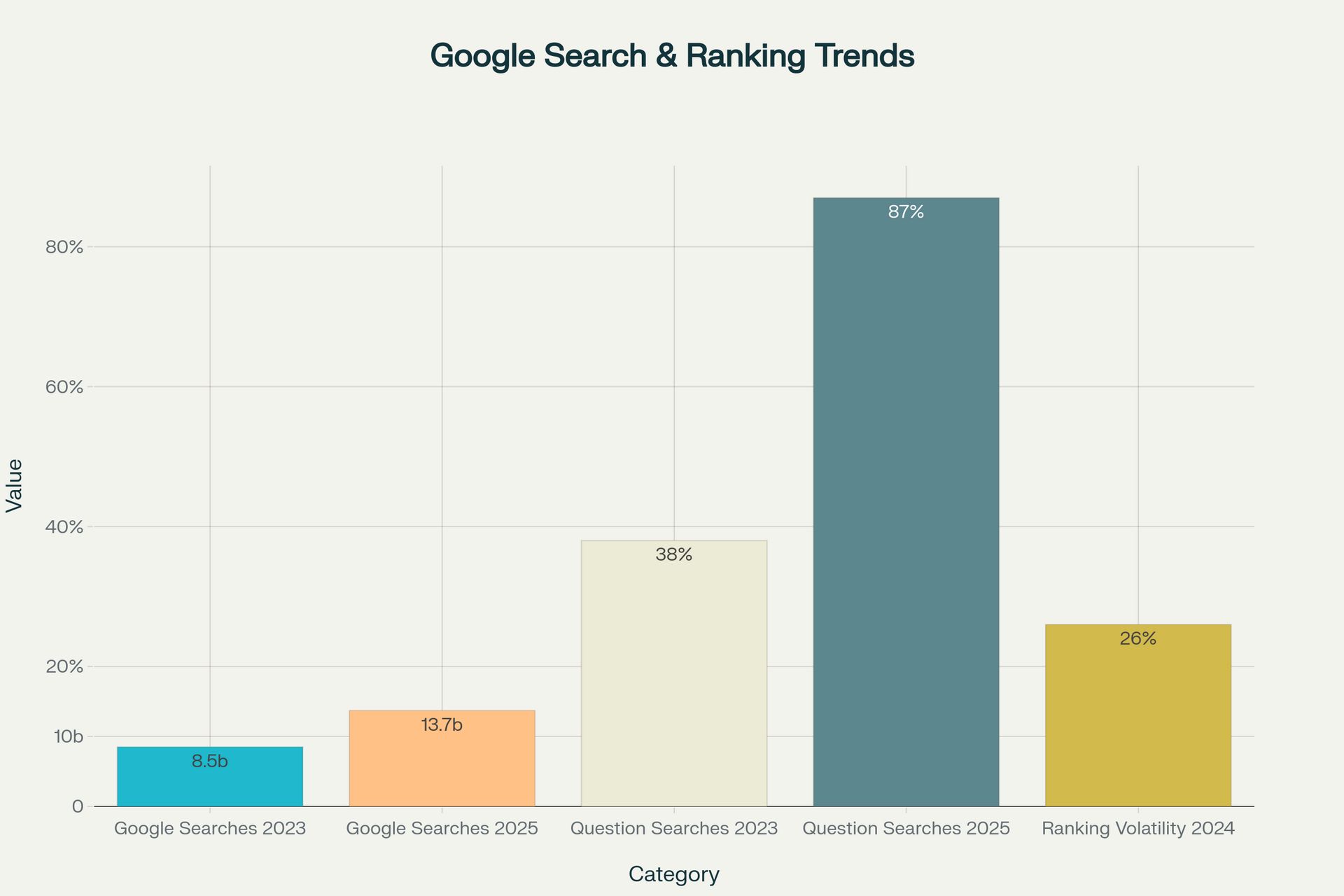
But here's the part that should get your attention: Daily Google searches have jumped from 8.5 billion to 13.7 billion. That's over 5 trillion searches per year and climbing. People aren't searching less - they're searching more because Google's answers keep getting better.
The bottom line: While everyone panics about losing clicks, there are actually more search opportunities than ever. You just need to know how to show up in the new format.
Where AI Overviews Actually Appear (And Where They Don't)
Most marketers are freaking out about AI Overviews without looking at the actual data. Here's what the numbers reveal about where these AI summaries really show up:

Informational Searches (50% of all Google searches)
AI Overviews appear 45.9% of the time.
These are research-based queries where people want to learn something (e.g., "what are the benefits of meditation?").
Commercial Searches (14.8% of all searches)
AI Overviews appear 17.8% of the time.
These include searches like "best CRM software for small businesses."
Navigational Searches (34.6% of all searches)
AI Overviews show up only 1.5% of the time.
These are searches like "Facebook login" where users know exactly where they want to go.
Transactional Searches (0.8% of total volume)
AI Overviews appear 6.1% of the time.
These happen when someone is ready to buy (e.g., "buy iPhone 16 Pro Max").
What this means for your business: AI Overviews are showing up exactly where customer intent is highest - when people are researching, comparing, or about to make buying decisions. If your content isn't being pulled into those summaries, you're missing the exact moment your customer is choosing between you and your competitors.
Learn How to Make AI Work For You!
Transform your AI skills with the AI Fire Academy Premium Plan - FREE for 14 days! Gain instant access to 500+ AI workflows, advanced tutorials, exclusive case studies and unbeatable discounts. No risks, cancel anytime.
Google's AI Mode: The Game-Changer Most People Haven't Seen Yet
If AI Overviews are the appetizer, Google's AI Mode is the main course. Most businesses are still trying to understand AI Overviews, but they haven't seen what's coming with AI Mode.
How AI Mode Completely Changes Search
AI Mode doesn't just add a summary to search results - it replaces the entire search results page with a full AI conversation. Here's what makes it different:
It answers complex, multi-part questions instantly.
It pulls from sources you can't always see.
It often doesn't link back to the original content.
It behaves like a research assistant rather than a search engine.
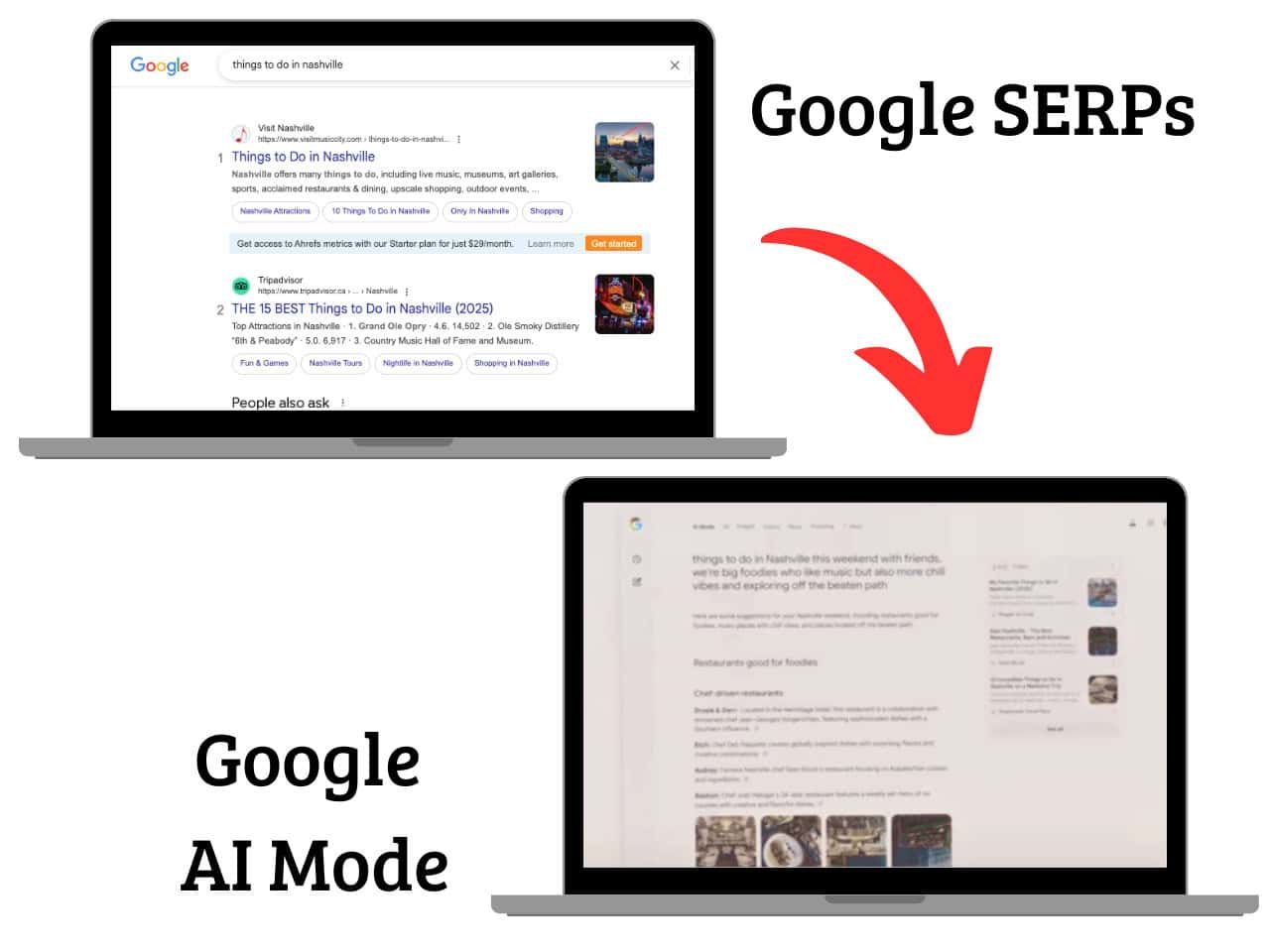
In traditional SEO, you could see what people searched for and what pages showed up. But AI Mode works completely differently. When you type one question, Google's AI secretly runs 10, 20, even 30 hidden searches behind the scenes using something called "query fanout."
Here's a real-world example: If someone asks AI Mode: "Plan the launch of a new cold brew coffee product line in the Ho Chi Minh City market, targeting office workers."
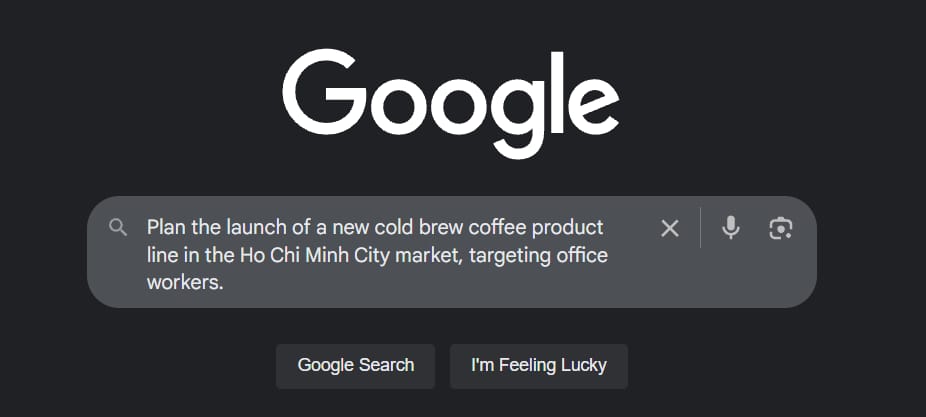
To you, that looks like one search, but the AI is actually running dozens of micro-searches:
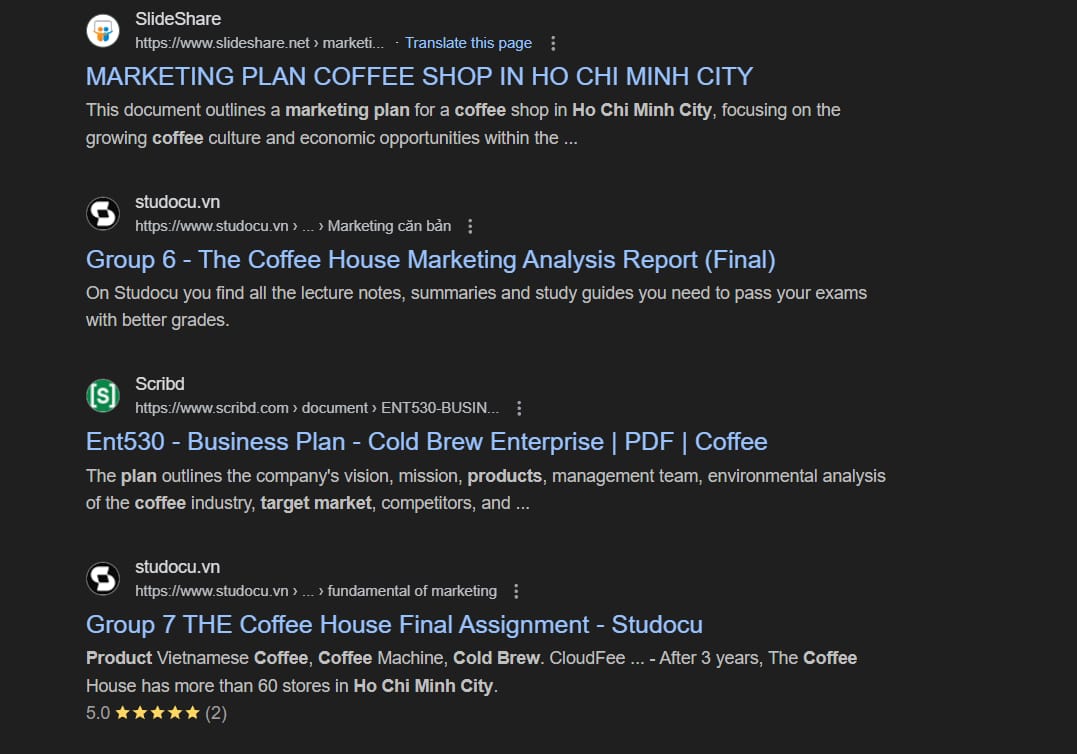
Coffee consumption trends in Ho Chi Minh City 2025
Reputable roasted coffee bean suppliers in Vietnam
Competitor analysis of cold brew coffee brands
Marketing strategies for new F&B products
Food safety regulations for bottled beverages
Areas with the highest concentration of offices in HCMC
Average retail price of cold brew coffee
Effective distribution channels for the F&B industry
The AI acts like a professional researcher, gathering information from multiple angles before giving one complete answer.
The challenge for marketers: You can't see any of those hidden searches. You don't know what pages it pulled from. You can't track rankings the traditional way. Unless your content shows up for those hidden sub-searches and is trusted enough to get cited, you won't be included in the answer at all.
This is why modern SEO isn't about ranking for individual keywords anymore. It's about "semantic positioning" - training the AI to recognize your brand as the go-to source for entire topics and thought processes.
Why Getting Cited Is The New Brand-Building Strategy
SEO As A Brand Discovery Channel
The numbers tell an interesting story about how people discover brands today:
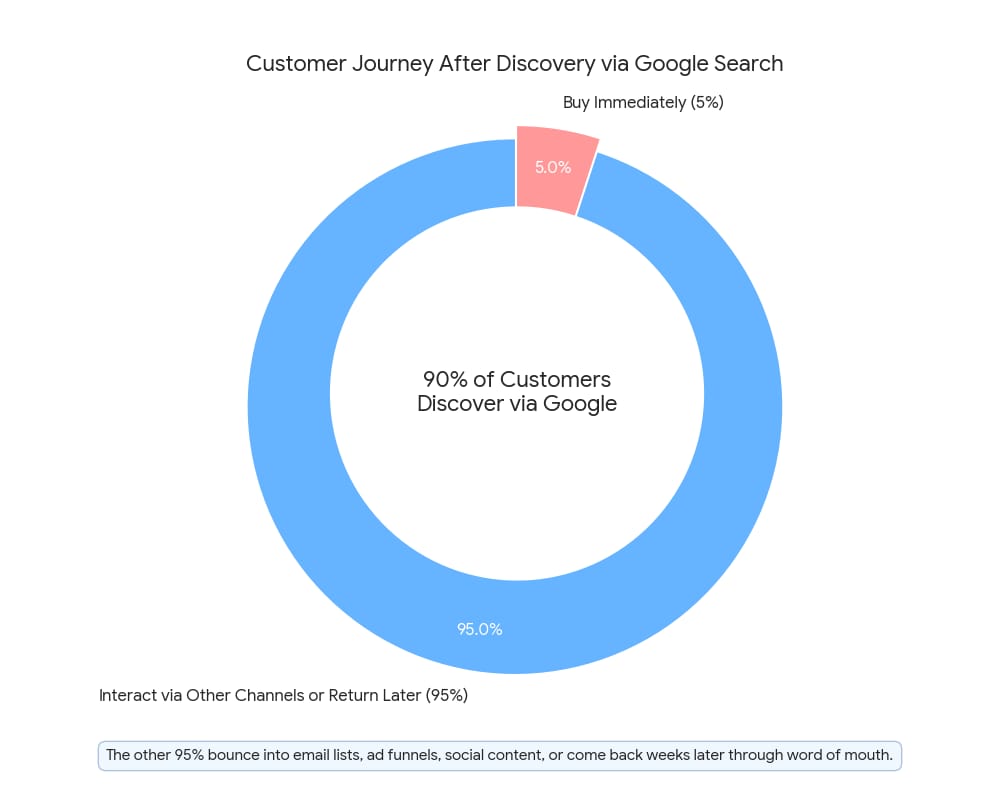
90% of consumers first hear about a company through organic Google results.
But only 5% of those people buy in that moment.
The other 95% bounce into email lists, ad funnels, social content, or come back weeks later through word of mouth.
Modern SEO works more like a billboard on the freeway or sponsor logos on a Formula 1 car. People see your brand, recognize it, remember it, and when the timing is right, they buy.
The Citation Effect
Google's AI features cite brands the same way news editors cite trusted sources. When AI drops your brand name in a summary, you're suddenly top-of-mind without even getting a click.
The compound effect: More Google usage leads to more AI results. More AI results mean more brand mentions. More brand mentions build trust that spreads everywhere else - social media, word of mouth, direct searches.

Getting cited now is the fastest way to build long-term brand equity while everyone else obsesses over last-click attribution.
Step-By-Step Guide: How To Reverse-Engineer Google's AI Citations
Now for the practical part - how do you actually get your brand mentioned in Google's AI results? The strategy is simple: reverse-engineer who the AI is already citing and create better content around the same topics.
Step 1: Identify What Content Google's AI Already Trusts
What you'll need: Access to Ubersuggest

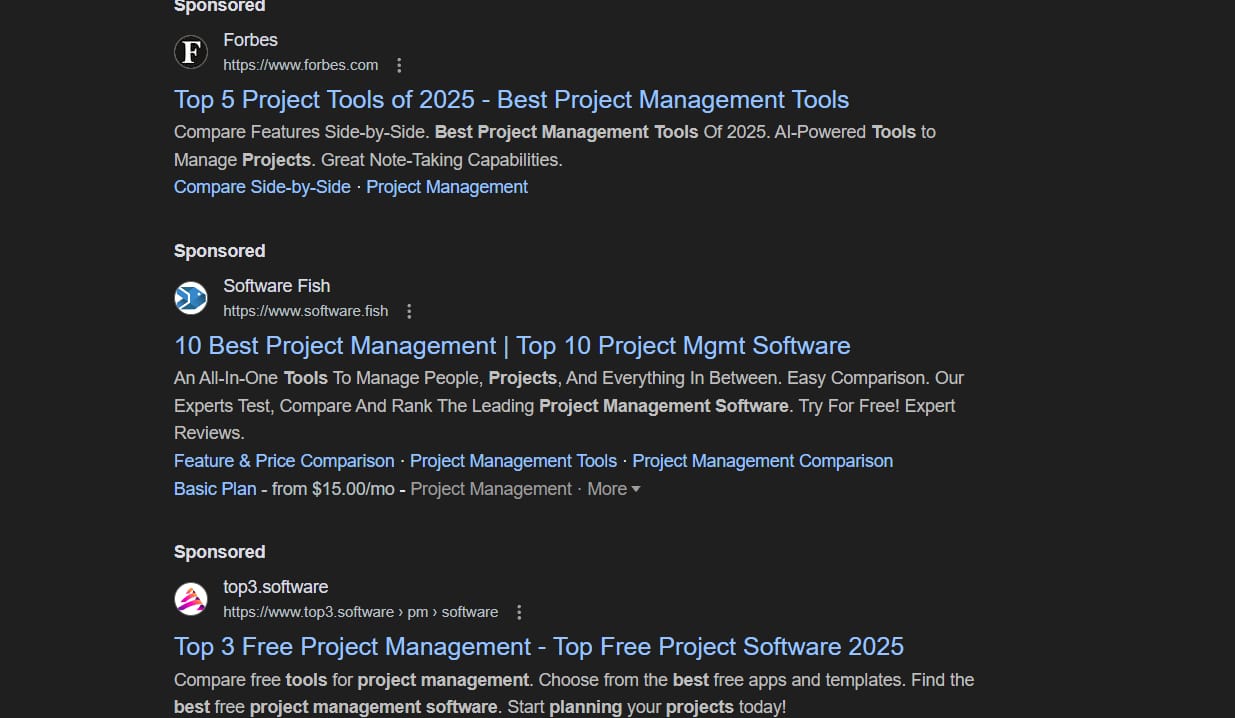
Find a competitor: Go to Google and search for a keyword in your industry (e.g., "best project management tools"). Pick one of the top-ranking websites.
Analyze their content: Paste that competitor's URL into Ubersuggest and hit search. You'll see:
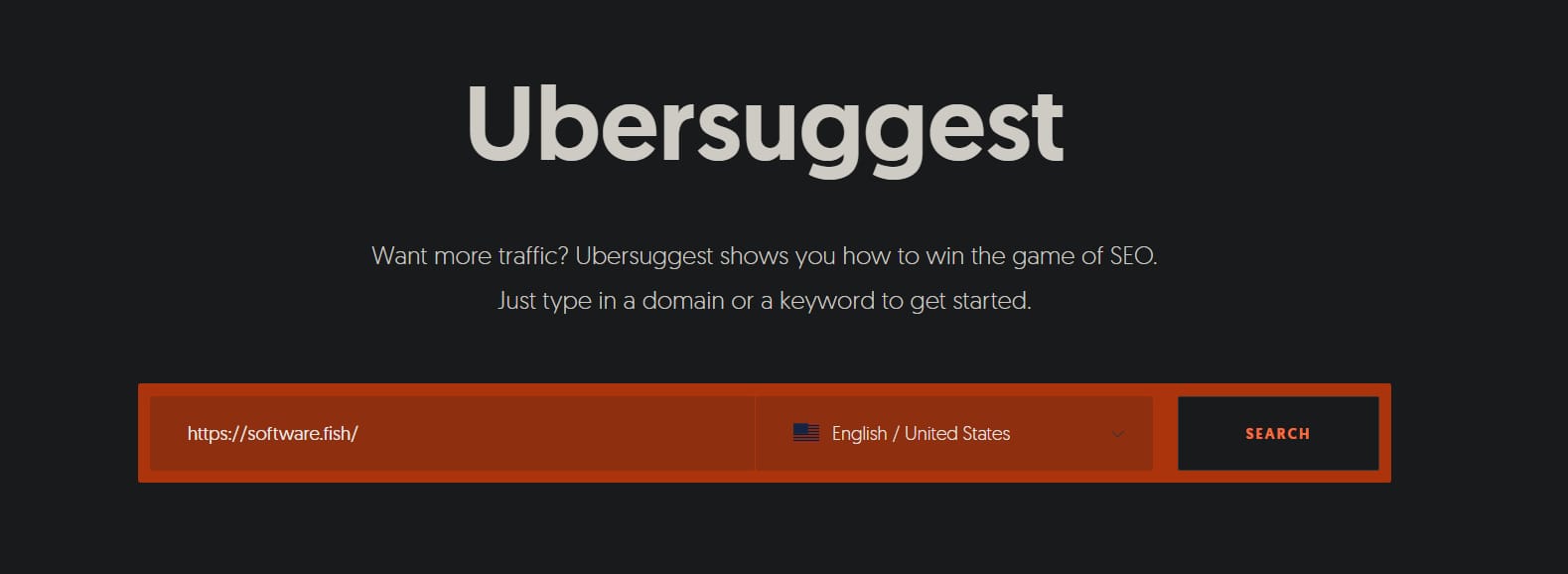
Their estimated search traffic.
Their top SEO pages.
Their backlinks and social shares.

Find their winning pages: Scroll down to their most visited pages and click "view all" next to the estimated visits column. This shows you exactly which keywords are driving the most traffic to each page.
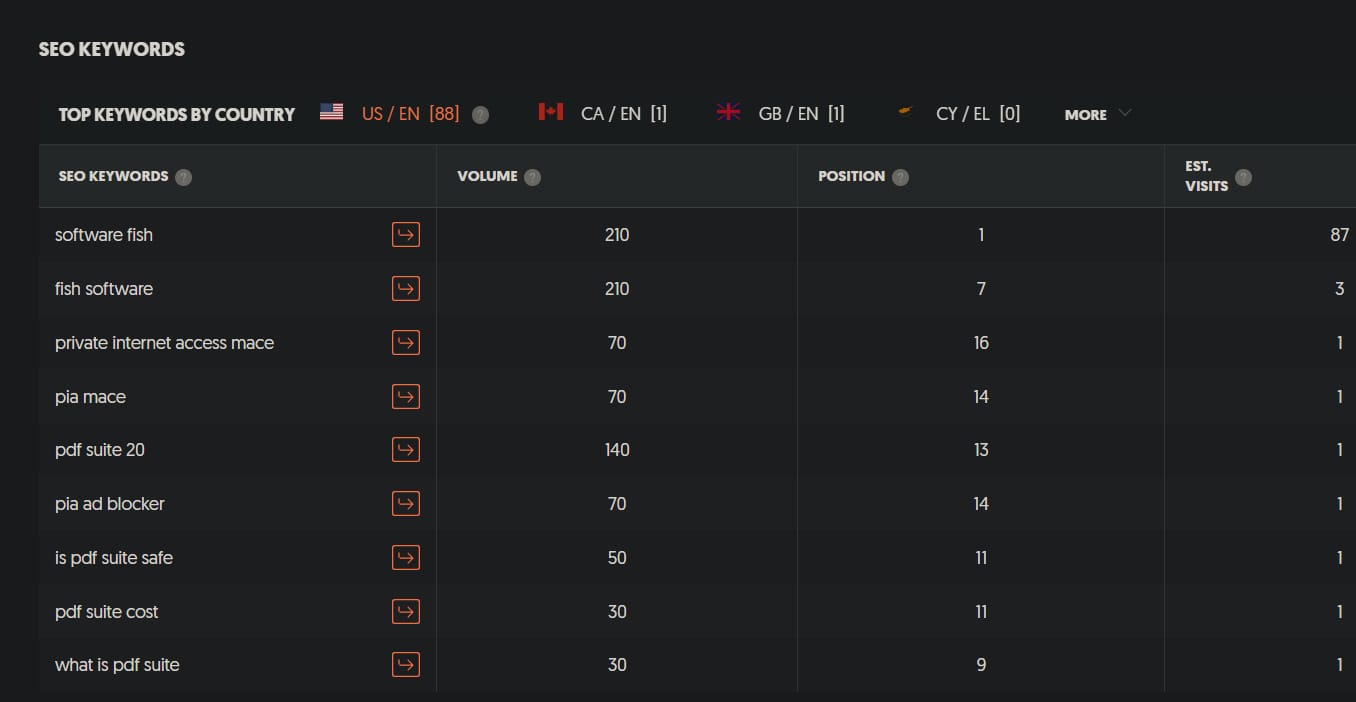
Why this works: These are pages Google already sees as credible, valuable, and engaging. If a page is ranking and getting referenced by AI, it's because Google trusts it. Study the content that earned that trust.
Step 2: Find Your Content Gaps
Use the competitor analysis feature: In Ubersuggest, go to the left menu and click "Keyword Research" then "Similar Websites." Enter your own domain name.
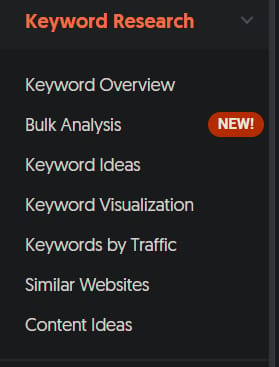
Identify missed opportunities: Ubersuggest will show you a list of keywords your competitors are getting traffic from, but you're not. These are pre-validated opportunities - topics already driving traffic in your space.

Prioritize high-value targets: Focus on keywords that are already showing up in AI Overviews and AI Mode. These are your fastest path to getting cited.
The advantage: Instead of guessing what to write about, you have a proven hit list of topics the algorithm already favors. Now you just need to create better, more comprehensive content around those terms.
Step 3: Create Content That Gets Cited
Here's where most people get it wrong. They think getting cited by Google's AI is just about writing more blog posts. But Google's AI pulls from multi-format, multi-layered content.
Look at current search results and you'll see a pattern:
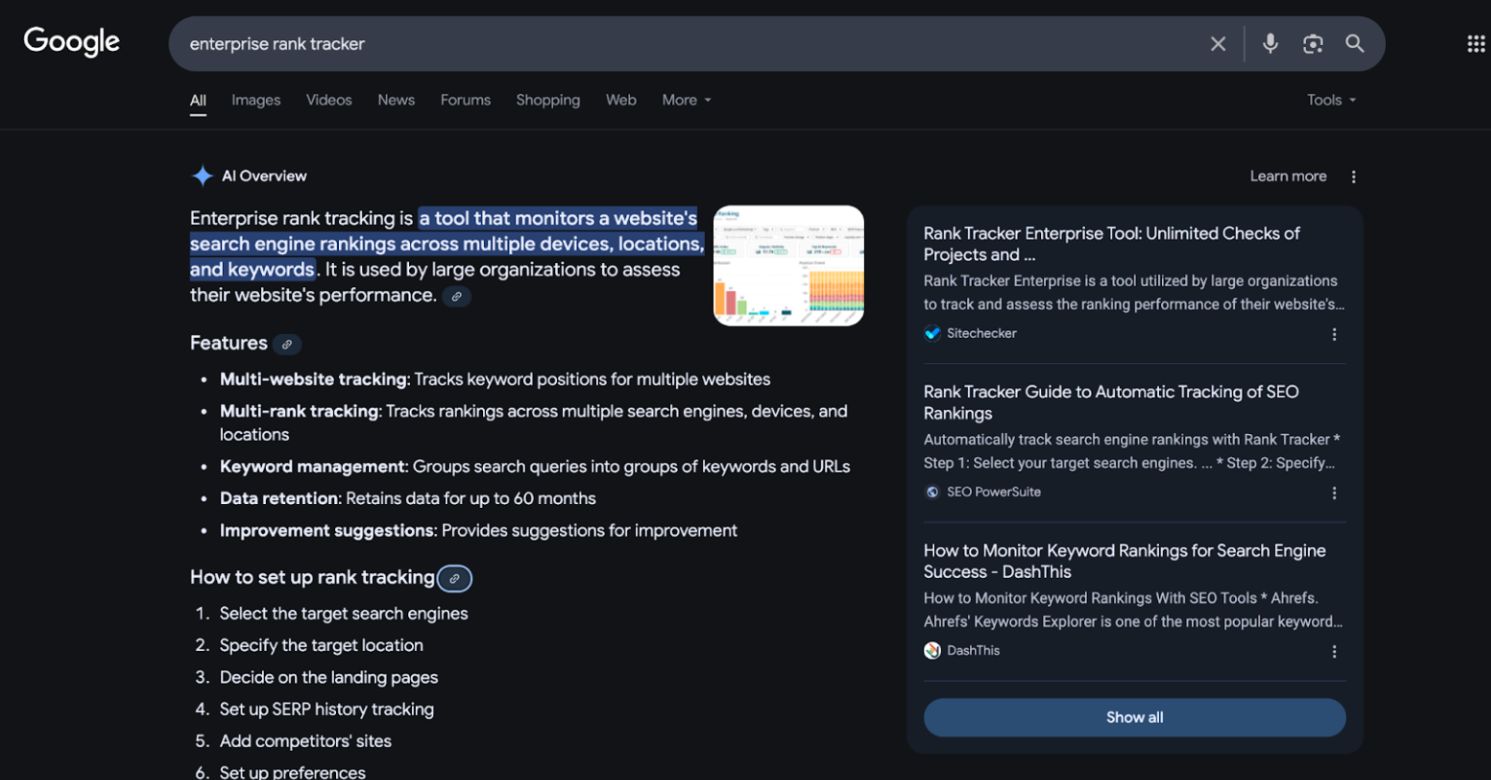
Videos are ranking and getting cited.
Images are showing up in AI Overviews.
Brand visuals and explainer graphics appear in AI Mode.
Interactive content gets priority treatment.
Why visual content matters: People consume visual content faster, and Google's AI is built to serve what people prefer.
Step 4: Enrich Your Content Experience

For each piece of content you create:
Add a video that summarizes the key points.
Include diagrams that simplify complex concepts.
Create infographics that make data easy to scan.
Use charts and graphs to support your arguments.
Add interactive elements when possible.
The formula: Take the keyword gaps you found in Step 2, create comprehensive content around those topics, then enrich that content with multiple media formats. This moves you from being "just another blog post" to becoming the trusted source AI selects to answer questions.
Advanced Strategies For AI Citation Success
Content Depth Over Content Volume
Google's AI doesn't reward publishing more content. It rewards clarity, completeness, and credibility. One comprehensive, well-researched piece that covers a topic thoroughly will outperform ten shallow articles every time.
What "comprehensive" looks like:
Answer the main question completely.
Address related questions people might have.
Include examples and case studies.
Provide actionable steps.
Link to authoritative sources.
Update content regularly with new information.
Topic Clustering For Semantic Authority

Instead of targeting individual keywords, build content clusters around entire topics. This helps Google's AI understand that you're an authority on the subject, not just someone who wrote one article about it.
Example cluster for "Email Marketing":
Pillar Page: The Complete Guide to Email Marketing.
Cluster Content: Email Subject Line Best Practices.
Cluster Content: Email Automation Workflows.
Cluster Content: Tips to Improve Email Deliverability.
Cluster Content: Important Email Marketing Metrics.
Each piece links to the others, creating a web of topical authority that AI systems recognize and trust.
A Solid Technical Foundation
While content quality matters most, don't ignore the technical aspects that help AI systems understand and cite your content:

Structured data markup: Use schema (like
Article,FAQPage,HowTo) to help AI understand what your content is about.Fast loading speeds: Improve user experience signals.
Mobile optimization: Essential since most searches happen on mobile devices.
Clear heading structure (H1, H2, H3): Helps AI parse your content.
Internal linking: Shows the relationships between your topics, reinforcing the topic cluster model.
Measuring Your AI Citation Success
Traditional SEO metrics don't tell the full story when it comes to AI citations. Here's what to track:
Brand Mention Tracking:
Monitor when your brand appears in AI Overviews (even without links).
Track increases in branded search volume.
Watch for branded mentions in AI Mode results.
Indirect Traffic Indicators:
Email sign-ups from organic traffic.
Direct website visits (people remembering your brand).
Social media follows from people who discovered you through search.
Customer surveys asking how they first heard about you.
Competitive Intelligence:
Which competitors are getting cited most often.
What topics trigger AI responses in your industry.
How AI responses change over time in your niche.
Common Mistakes That Kill Your Citation Chances

Focusing Only on Keywords: The old approach of stuffing content with keywords doesn't work with AI systems. Focus on answering questions completely and naturally.
Ignoring User Intent: Creating content that ranks but doesn't actually help people will hurt your citation chances. AI systems prioritize content that genuinely solves problems.
"Thin" Content: Publishing lots of short, shallow articles won't build the authority needed for AI citations. Better to publish less content that's truly comprehensive.
No Visual Elements: Text-only content is less likely to get cited than content with helpful visuals, diagrams, and multimedia elements.
Not Updating Content: Outdated information hurts your credibility with AI systems. Regularly update your content with new data, examples, and insights.
Your Action Plan: Getting Started This Week
Week 1: Research And Analysis
Use Ubersuggest to analyze 3-5 competitors.
Identify your top 10 keyword gaps.
Search for those keywords and see which ones trigger AI responses.
Note what types of content are getting cited.
Week 2: Content Planning

Choose your top 3 keyword opportunities.
Plan comprehensive content pieces for each.
Outline what visuals, videos, or interactive elements you'll include.
Research authoritative sources you can reference and link to.
Week 3: Content Creation

Write your first comprehensive piece targeting one of your keyword gaps.
Create supporting visuals (charts, diagrams, infographics).
Add proper heading structure and internal links.
Include examples and actionable advice.
Week 4: Publishing And Promotion
Publish your content with proper technical optimization.
Share across your social channels.
Email your list about the new resource.
Start monitoring for brand mentions and AI citations.
Ongoing: Monitor and Iterate
Track your progress using the metrics outlined above.
Update content regularly with new information.
Create additional content pieces in your topic cluster.
Analyze what's working and double down on successful strategies.
Conclusion: The Citation Advantage
SEO didn't die - the rules just changed, and most people haven't noticed yet. While companies panic about AI taking away traffic, smart businesses realize that Google's AI features aren't eliminating visibility. They're just redistributing it to the sources Google trusts most.
Right now, there's a narrow window where only a few brands are actually optimizing to get cited by AI. That's your competitive advantage. The businesses that move now are getting front-row visibility in Google's AI layer without ranking #1, without spending on ads, and sometimes without even getting clicked.
Think of it like a Formula 1 car covered in sponsor logos. Most people can't name all the sponsors, but they've seen those logos hundreds of times. That's brand memory in action. That's what Google's AI Overviews and AI Mode results are doing for brands that show up consistently.
You're not just playing for traffic anymore. You're playing for recognition and mind share. Once Google's AI starts citing your brand, that recognition spreads across search, email, ads, social media - everywhere your customers spend time.
The longer you wait, the harder it becomes to break into this new system. Your competitors who understand AI citation are already building the authority that will dominate your industry for years to come.
The choice is yours: adapt to the new rules and thrive, or stick with outdated tactics and watch your visibility fade. The businesses that train Google's AI to cite them as trusted sources won't just survive the changes - they'll use them to build unstoppable brand authority while everyone else struggles to keep up.
Start with the action plan above, focus on becoming genuinely helpful to your audience, and remember - in the age of AI, being cited is more valuable than being clicked.
If you are interested in other topics and how AI is transforming different aspects of our lives or even in making money using AI with more detailed, step-by-step guidance, you can find our other articles here:
How useful was this AI tool article for you? 💻Let us know how this article on AI tools helped with your work or learning. Your feedback helps us improve! |
Reply