- AI Fire
- Posts
- 🔥 10 Gemini 3 Pro Tricks That Change How You Work With AI
🔥 10 Gemini 3 Pro Tricks That Change How You Work With AI
How Gemini 3 Pro Handles Real Work Other Models Break On.

Robin Do
April 14, 2026
TL;DR BOX
Gemini 3 Pro changes AI work by handling full, messy problems in one prompt instead of requiring careful prompt engineering. You give it the situation, constraints, and goal, and it organizes strategy and execution without falling apart.
This article explains why Gemini 3 Pro feels like a real inflection point. It covers how to think bigger with consultant-level prompts, when to use high vs low thinking modes, and why dumping real problems works better than perfect formatting.
You’ll also see how Gemini 3 Pro builds full apps, adds AI features, reasons over images, audio, and video, and helps simulate decisions instead of just generating ideas.
Key points
Gemini 3 Pro can reason across strategy, execution, and trade-offs in one response.
Over-structuring prompts often reduces output quality.
The biggest gains come from using it on real decisions, not toy tasks.
Critical insight
The moment you stop prompt-engineering and start problem-dumping, Gemini 3 Pro stops being a chatbot and becomes part of your workflow.
Table of Contents
Which Gemini 3 Pro capability matters most to you? |
Introduction: Why Gemini 3 Pro Is a Real Inflection Point
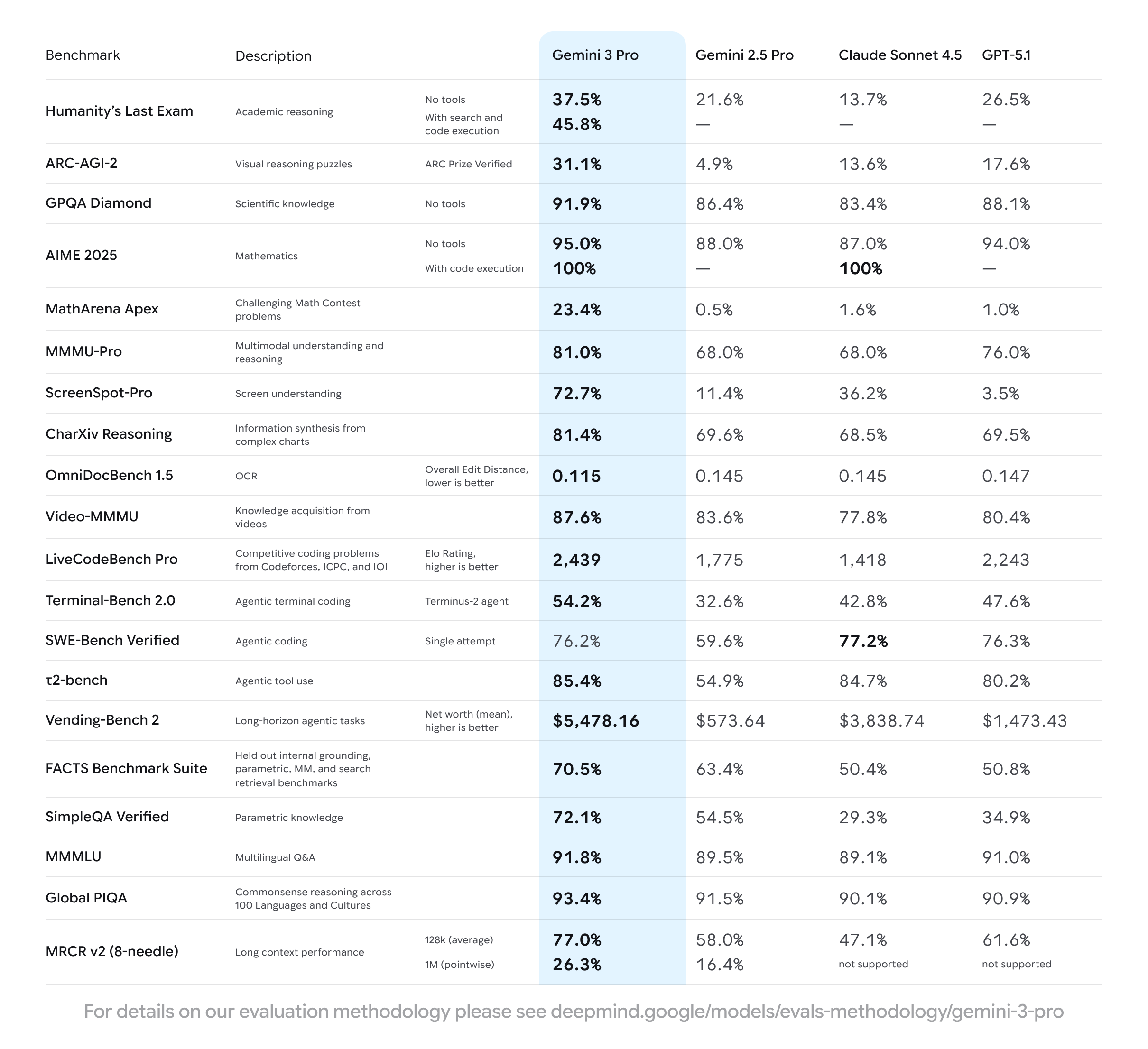
When Gemini 3 Pro launched, something changed quietly. ChatGPT started losing millions of daily users, not because of hype or pricing, but because Gemini 3 Pro lets you get more real work done in a single prompt. That’s the signal most people missed.
For years, using AI meant being careful. You broke problems into steps, over-explained context, and worried more about prompt structure than the actual problem. Gemini 3 Pro doesn’t need that level of hand-holding.
The real shift is simple: we moved from prompt engineering to problem dumping. Instead of guiding the model line by line, you give it the full situation, your constraints, and your goal, then let it think. Gemini 3 Pro can hold strategy, execution, and trade-offs in one response without collapsing, and that’s what feels different when you use it.
This article is for founders drowning in decisions, creators who want leverage instead of more tools, and people building automations, apps, or internal systems. If the hardest part of your work is thinking clearly rather than doing tasks, Gemini 3 Pro is worth learning.
1. Think Bigger: Gemini 3 Pro Can Handle “Consultant-Level” Prompts
1.1. Why traditional LLM prompts break at scale
Most LLMs don’t fail because you ask for too many tokens. They fail because they can’t reason across a large request. When you ask for strategy, execution, and details together, the output usually becomes inconsistent. Parts don’t connect. The model forgets earlier constraints. You’re forced to split the work into smaller prompts and stitch everything back together yourself.
1.2. What “thinking bigger” actually looks like
With Gemini 3 Pro, thinking bigger means asking for the entire outcome, not fragments. You describe the goal, the audience, the constraints, and what success looks like. You ask for strategy, assets, timelines, and metrics in one request. You don’t guide every step. You let the model decide how to structure the solution.
1.3. Real example breakdown
A typical “big” prompt might include:
the business goal
who the product is for
pricing and positioning
tools you already use
constraints and guardrails
exact deliverables you want
Goal:
Generate 200 qualified leads/month in 90 days for “AI Less or More,” an AI workflow assistant for small service businesses.

Context

Audience: Solo to 10-person service businesses (coaches, agencies, studios).
Pains: manual onboarding, tool sprawl, slow delivery.
Desired outcomes: faster fulfillment, fewer apps, clearer reporting.

Positioning:
Category = AI Ops Assistant
Differentiator = prebuilt “Service Journeys” for onboarding → fulfillment → reporting
Proof points: 40 pilot users, 22% cycle-time reduction, 18 case studies.

Inputs:

Landing page baseline metrics: CVR 1.2%, bounce 61% (assumption)

Testimonials themes: “speed,” “error reduction,” “client visibility”

Pricing: Starter $49, Pro $149, Scale $399

Tools used: Relay.app, Make/Zapier;
CRM: “CopperLite”; Email: “BeeMail”

Constraints:
Budget $12,000 for 90 days;
Team: PMM, content writer, freelance designer, ops;
Channels: X, LinkedIn, YouTube, email;
Geo: US;
Compliance: GDPR-friendly; avoid regulated PII.

Guardrails:
Follow instructions strictly; do not write code; mark “assumption” where data is inferred.

Must-Haves

Strategy:
Provide 3 GTM options with tradeoffs; recommend one via decision matrix
(Reach, Speed, Cost, Lead Quality, Ops Complexity).

Plan:
90-day week-by-week plan with owners, milestones, risks + mitigations.

Messaging:
Full hierarchy — one-liner, tagline, value pillars, RTBs, FAQ, objections.

Content drafts:

Landing page: hero, subhead, social proof, “how it works,” pricing, FAQ, CTA

Email sequence: 5 emails (subject, body, CTA, primary KPI per email)

Social: 3 posts each for X and LinkedIn with hooks and CTAs

Offers:
Two test offers — “30-min Ops Audit” and “Service Journey Template Pack”;
KPIs and A/B variants.

Analytics:
KPI tree with targets —
CTR 2.5%, LP CVR 3.0%, MQL → SQL 35%,
CPL ≤ $45, CAC ≤ $180, LTV $1,200;
specify dashboards.

Automation:
3 workflow compressions using Relay/Make/Zapier with trigger → actions → success checks.

Report:
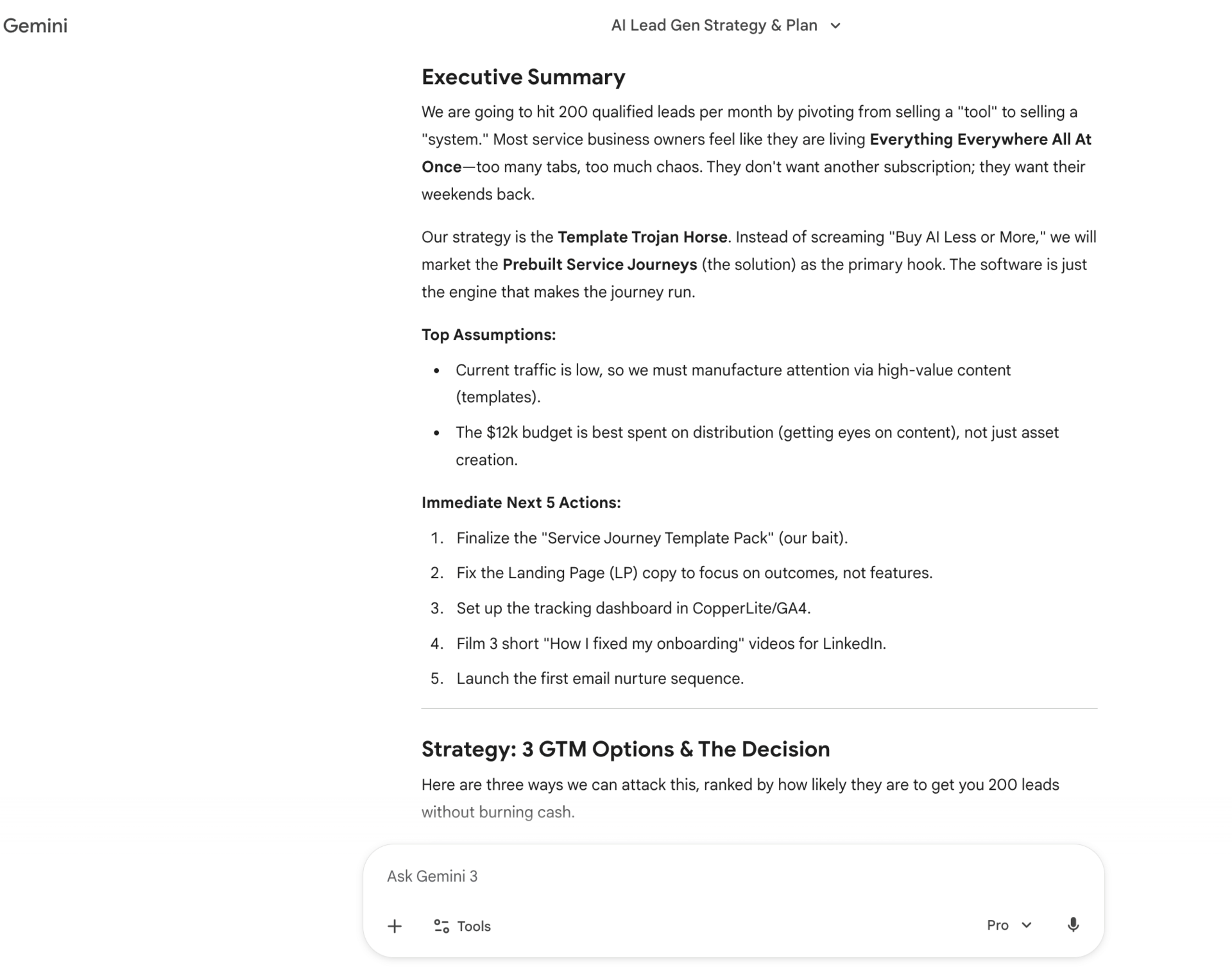
Executive summary ≤200 words, assumptions, next 5 actions.

Style

Concise, senior PMM tone

Use tables for the decision matrix, weekly plan, and KPI targets

Numbered outputs, no fluff or repetition

Boundaries

Prioritize: Goal → Must-Haves → Constraints

If inputs conflict, call them out and proceed with best-fit assumptions
Gemini 3 Pro can return an executive summary, a 90-day plan, messaging, content drafts, workflows, and assumptions in one response. No follow-up prompts just to make it usable.
1.4. Why this works in Gemini 3 Pro
Gemini 3 Pro has stronger internal reasoning across long outputs. It can plan before responding instead of reacting line by line. That’s why it doesn’t collapse when the request gets complex. You don’t need heavy prompt scaffolding anymore. You give it the whole problem, and it organizes it for you.
2. Use Thinking Levels (High vs Low) Intentionally
2.1. What “thinking level” actually controls
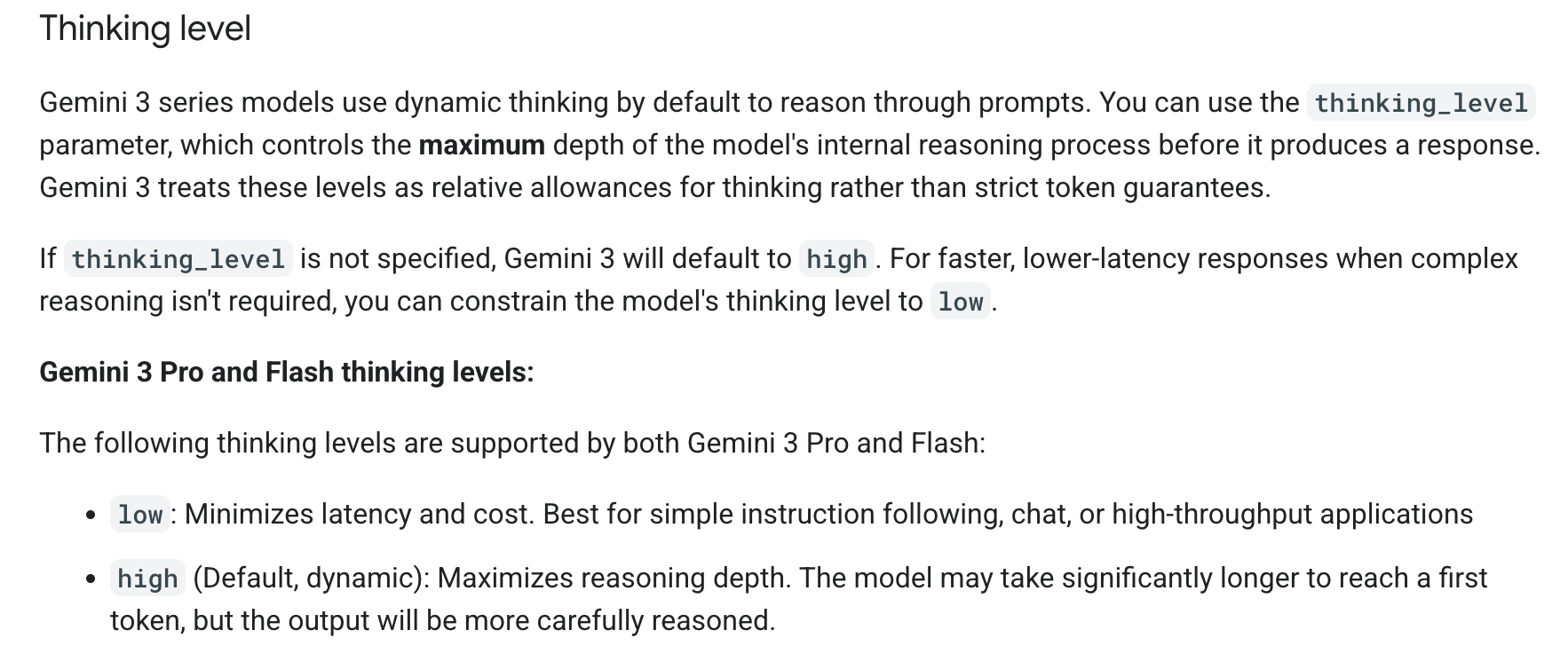
In Gemini 3 Pro, the thinking level controls how much internal reasoning the model does before responding. It’s a direct trade-off between speed and depth. Higher thinking means more internal analysis. Lower thinking means faster, lighter responses.
2.2. When to use High thinking
High thinking is best when the problem is messy or ambiguous. Strategy, planning, automation design, multi-step decisions, or anything where trade-offs matter all benefit from it. Responses take a bit longer, but they’re more reliable and structured. This is where Gemini 3 Pro feels closest to a consultant.
2.3. When to use Low thinking
Low thinking works well for simple tasks. Formatting text, rewriting content, summarizing something short, or doing quick iterations. You don’t need deep reasoning here, so using low thinking keeps things fast without hurting quality.
2.4. Where to access this setting
You can control thinking levels inside Google AI Studio when using Gemini 3 Pro. Having access to this control lets you decide when you want speed and when you want depth.
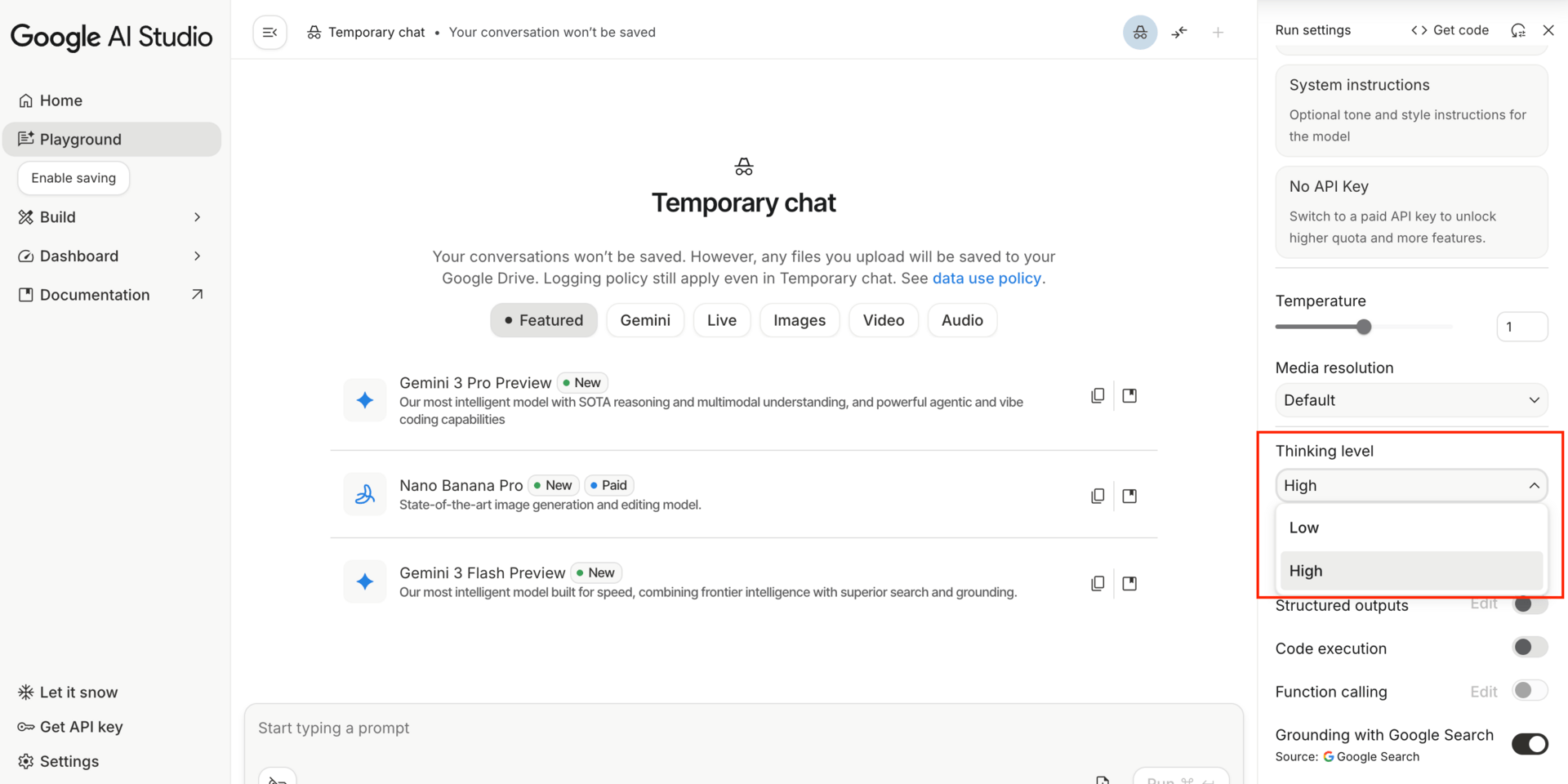
Once you start using thinking levels on purpose, Gemini 3 Pro becomes more predictable. You stop blaming the model for “bad outputs” and start choosing the right mode for the job.
3. Stop Perfecting Prompts, Start Dumping Real Problems
3.1. The myth of the “perfect prompt”
Most people think bad outputs mean bad prompts. In reality, over-structuring is often the problem. When you try to control every step, you limit the model’s ability to reason. Clarity matters more than format. Long instructions don’t equal better thinking.
3.2. The new workflow
With Gemini 3 Pro, you can describe the problem the way you would to a human. You explain your situation, the tools you use, what’s slowing you down, and what outcome you want. You don’t need frameworks or templates. You give context and let the model decide how to approach it.
3.3. Example: admin overload automation
A simple prompt can include: the tools you use (like Notion, Gmail, Slack), how much time you’re wasting, and the result you want, such as reclaiming ten hours a week. Gemini 3 Pro can respond with a bottleneck analysis, a proposed automation architecture, phased steps, and clean tables you can export and act on.
I run a small AI/automation blog and post on Twitter, LinkedIn, and my website.

Every week I spend 12–15 hours researching topics, outlining posts, rewriting the same ideas for different platforms, and tracking what I’ve already published. I use Notion for drafts, Google Docs for long articles, and Twitter/X + LinkedIn for distribution.

The biggest problem is fragmentation: ideas live everywhere, I repeat work across platforms, and I never know which content actually drives leads.

I want a system that turns one core idea into a blog post, social threads, and a short newsletter, while tracking what’s published and what performs best. Ideally, this should cut my content time in half without lowering quality.

Can you analyze where the real bottlenecks are, propose a practical automation architecture, and outline the first automations I should build to get the fastest win?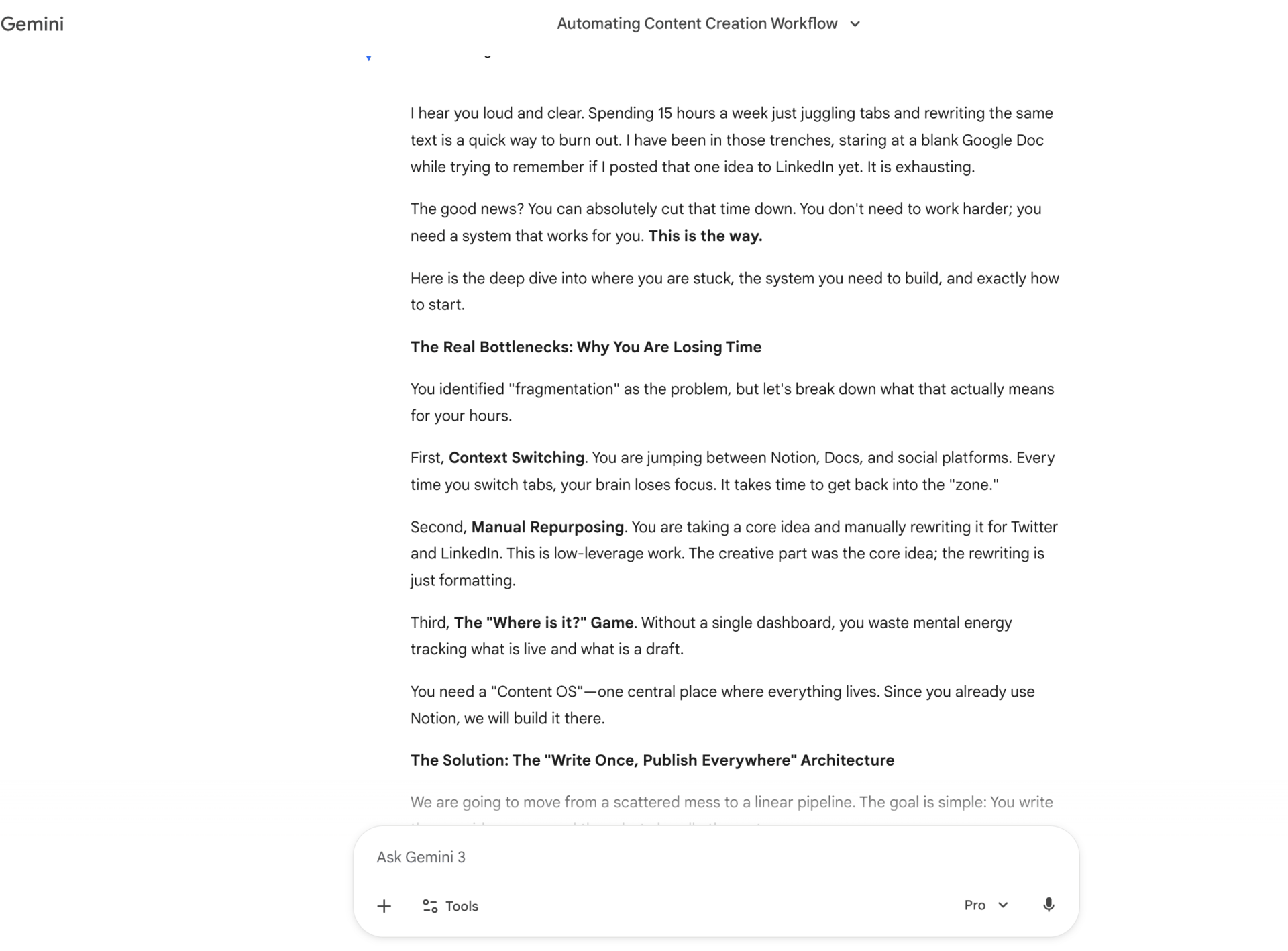
3.4. Why this feels like hiring a consultant
The output isn’t just a list of ideas. Gemini 3 Pro evaluates trade-offs, prioritizes what matters first, and structures the solution without you micromanaging it. This is where using it inside Google AI Studio really shines, because the model has space to think before answering.
4. Build Full Apps Without Being a Developer
4.1. What Gemini 3 Pro can actually build
Gemini 3 Pro can generate fully working web apps, not mockups. That includes UI, logic, and sample data so you can see something usable immediately. You don’t need to set up databases, configs, or environments just to test an idea.
4.2. Prompt anatomy for app building
You don’t need to sound like a developer. A good prompt includes the app’s purpose, what it should do, and one clear constraint like “make it work with no setup.” You can also ask for a single HTML file with embedded CSS and JavaScript. Gemini 3 Pro understands this kind of request without extra explanation.
For example:
Build me a habit tracker web app called “Momentum”.

The Vibe:
Minimal, calm, and motivating.
Soft gradients, glassy cards, subtle motion.
Feels like a quiet morning routine, not a productivity dashboard.

The Logic:

Track daily habits (drink water, read, workout, meditate, etc.)

Each habit has a streak counter

Clicking a habit marks it complete for the day

Streaks visually grow the longer you stay consistent

Miss a day → streak resets

The Constraint:

No setup, no database, no external services

It should work instantly when I open the file

Preload it with realistic sample habits and streaks so I can understand it immediately

The Tech:

Single HTML file only

All CSS and JavaScript embedded

Use smooth animations for streak increases and completions

Store state in localStorage so progress persists on refresh

Extra (optional, if possible):

Light/Dark mode toggle

A small “Today’s Progress” visual at the top

Goal:
I want to feel momentum when I use it, not manage settings or learn code.
4.3. Canvas mode explained
Canvas mode matters because it lets you see and interact with the app as it’s being built. You can scroll through the code, preview the interface, and keep iterating in the same place. This makes building feel visual instead of abstract, especially if you’ve never coded before.
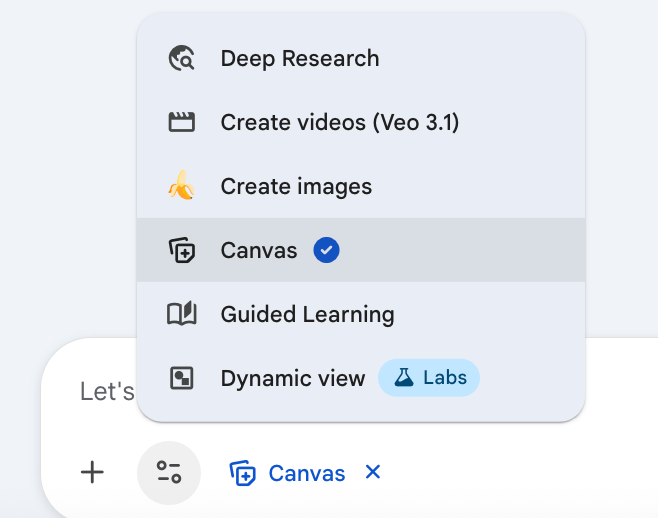
4.4. Vibe coding in practice
Once the app exists, changes are simple. You can say things like “change the colors,” “add a dark mode,” or “make completed tasks animate.” Gemini 3 Pro updates the code for you. No refactoring knowledge needed, no fear of breaking everything.
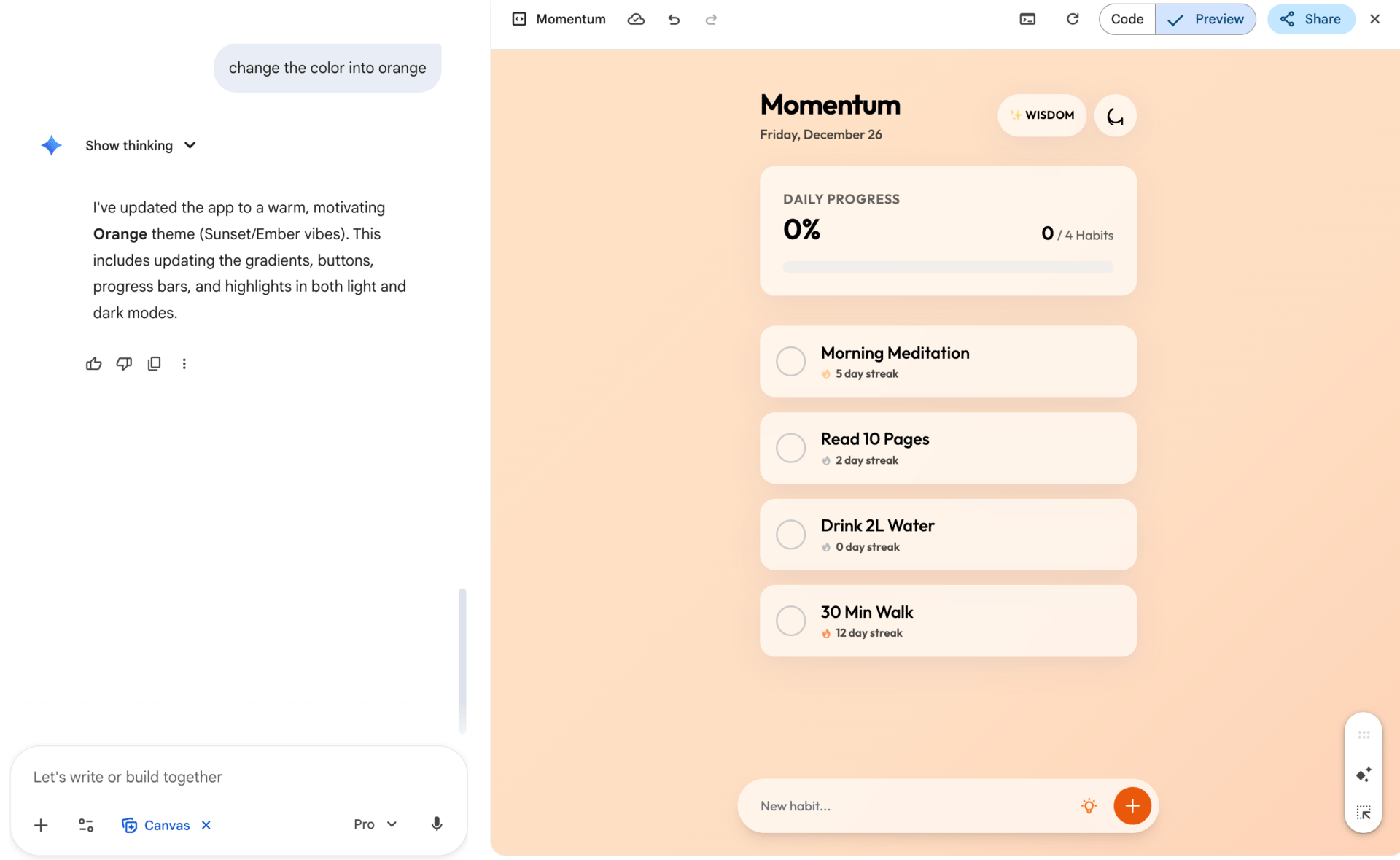
This is where Gemini 3 Pro stops feeling like an AI chatbot and starts feeling like a builder. You describe what you want, react to what you see, and keep adjusting until it matches what’s in your head.
5. Add AI Features Inside the App Automatically
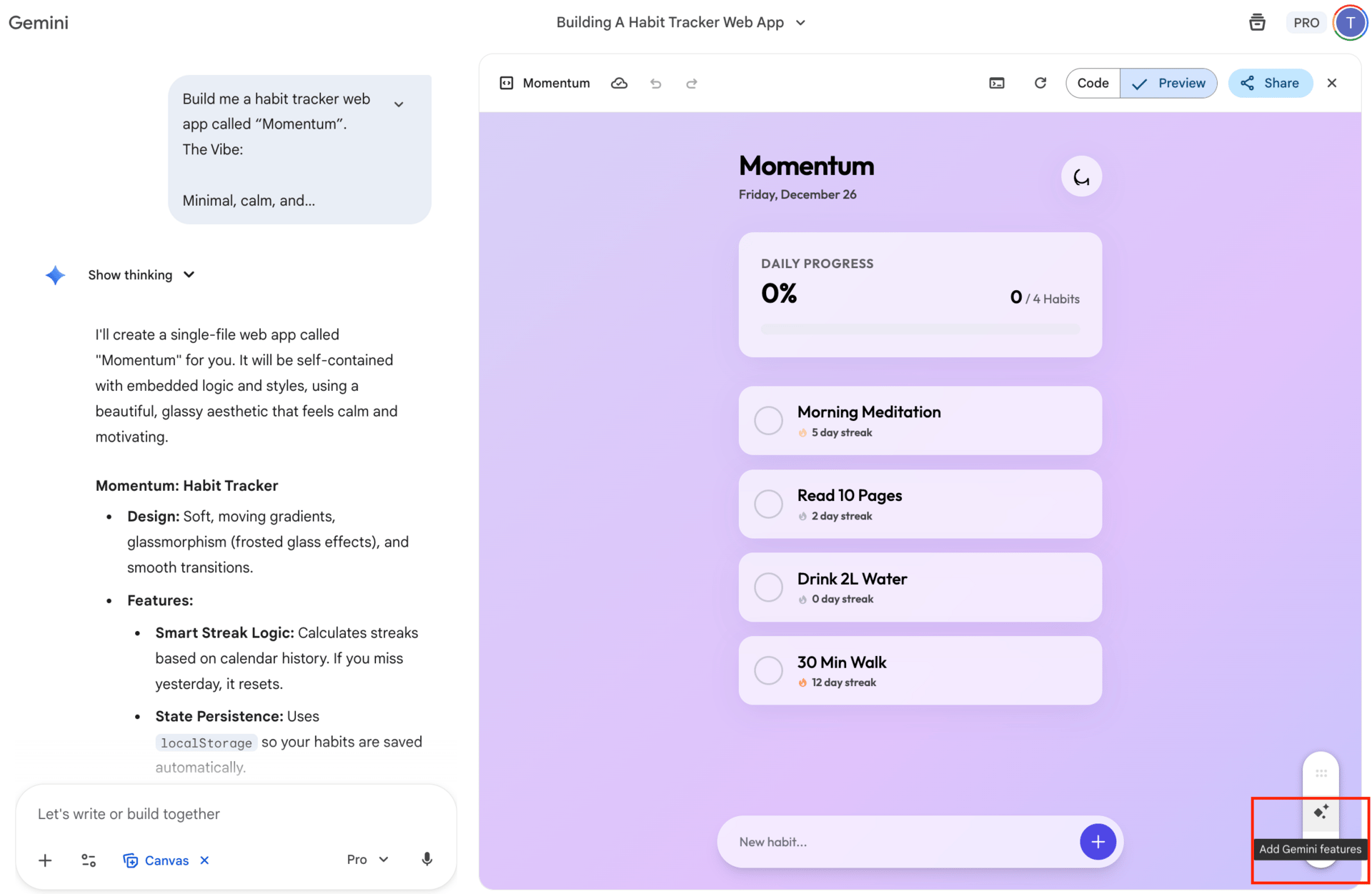
5.1. What “Add Gemini features” actually does
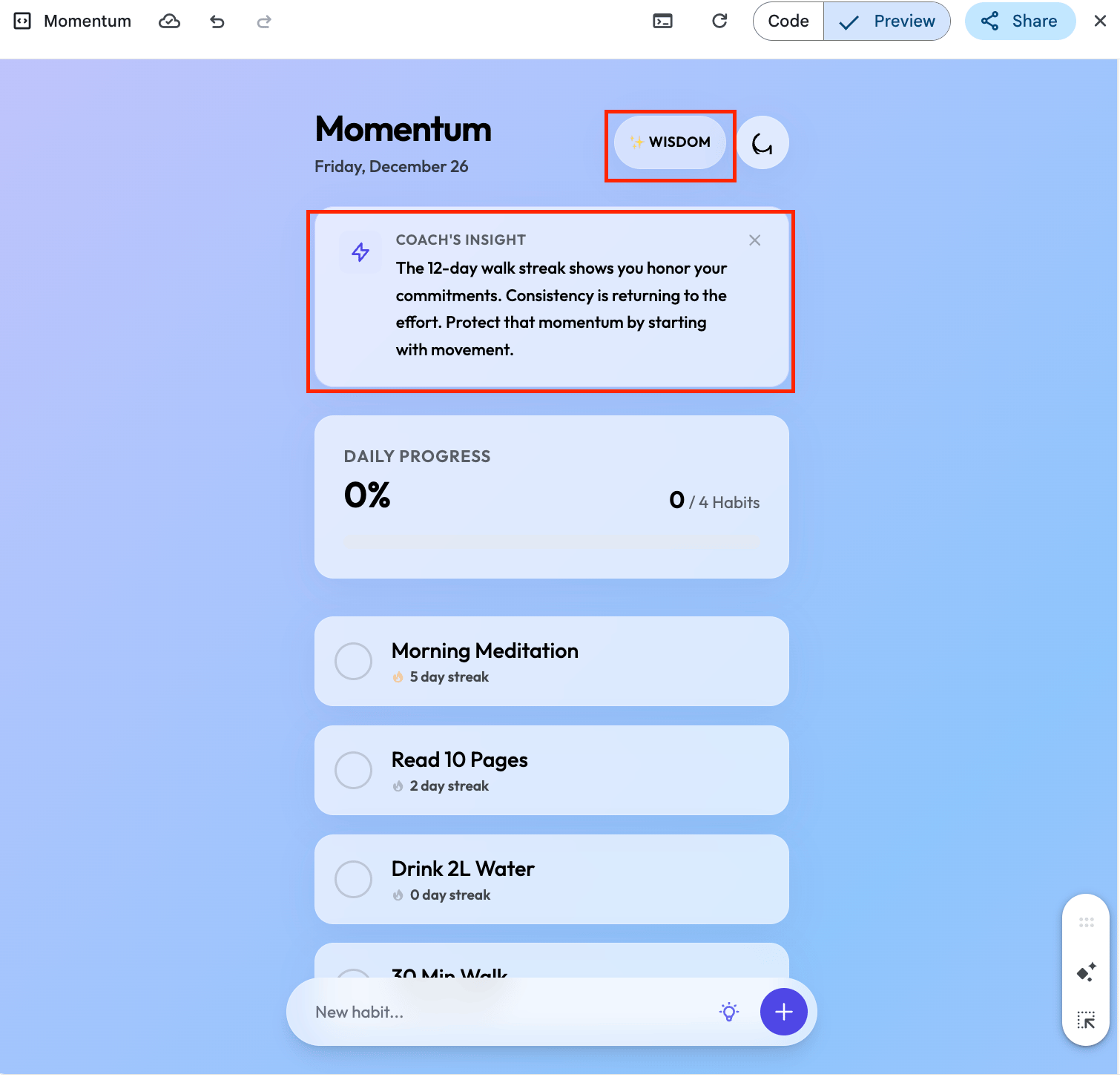
Inside Gemini 3 Pro, you can ask it to add AI features directly into the app it just built. This isn’t a separate product or plugin. It’s the model wiring its own reasoning into the interface, using the Gemini API under the hood.
5.2. Examples of AI-powered features
Common additions include task refinement, smart suggestions, contextual actions, or buttons that trigger AI logic. You don’t describe the implementation. You describe the behavior. Gemini 3 Pro figures out how to make it work inside the app.
5.3. Why this matters for non-technical builders
This removes the biggest blocker for most people: turning AI into a feature instead of a chat window. You can prototype real AI-powered tools without hiring an engineer or learning a framework. MVPs move faster because intelligence is built in from day one.
5.4. Why Gemini 3 Pro is different here
Gemini 3 Pro can reason about product behavior, not just code snippets. It understands where AI adds value inside the flow, then implements it. This is easiest to do inside Google AI Studio, where the model has space to think and iterate.
6. Visual Reasoning: Turn Sketches Into Code
6.1. From sketch to working app
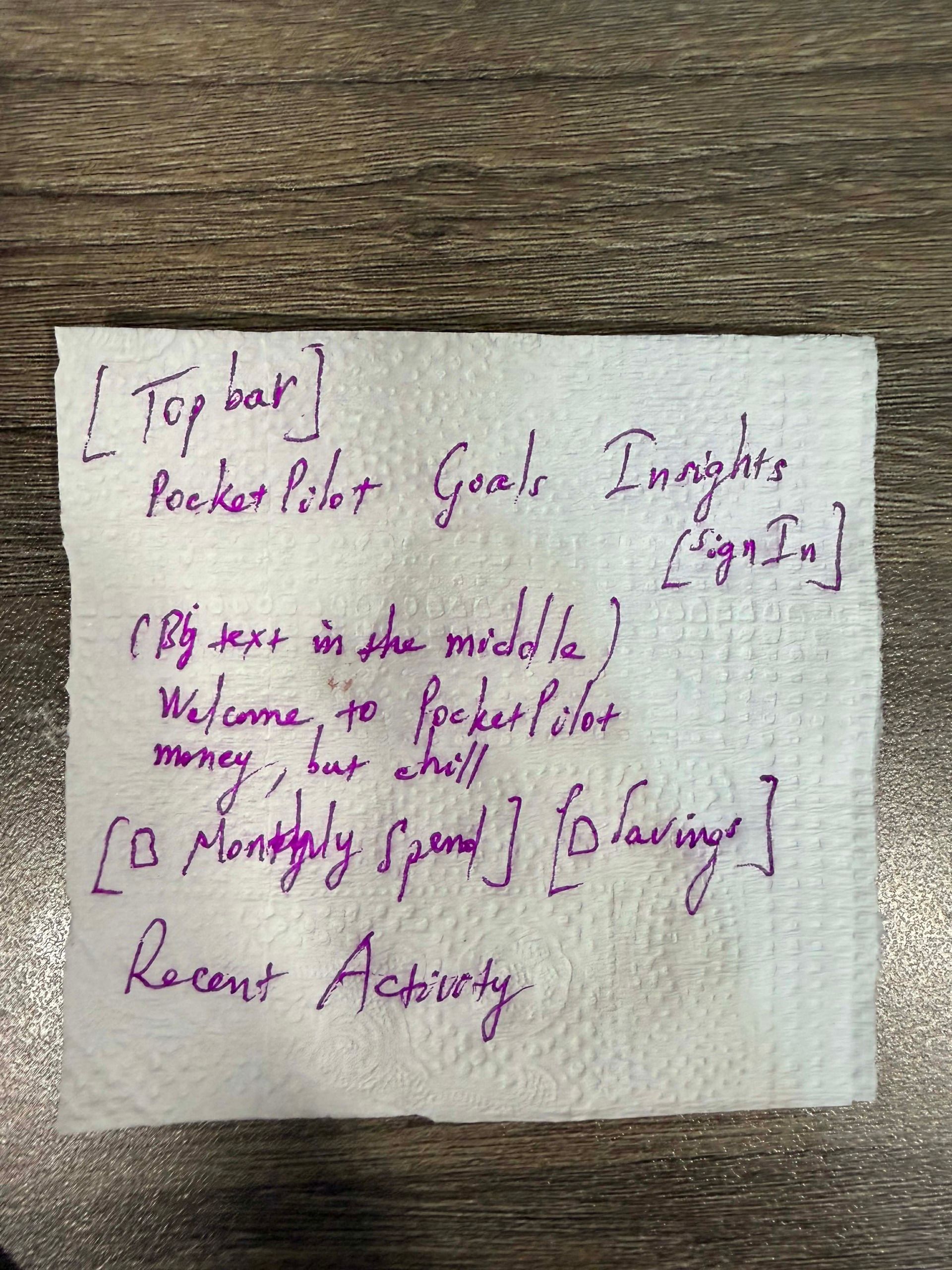
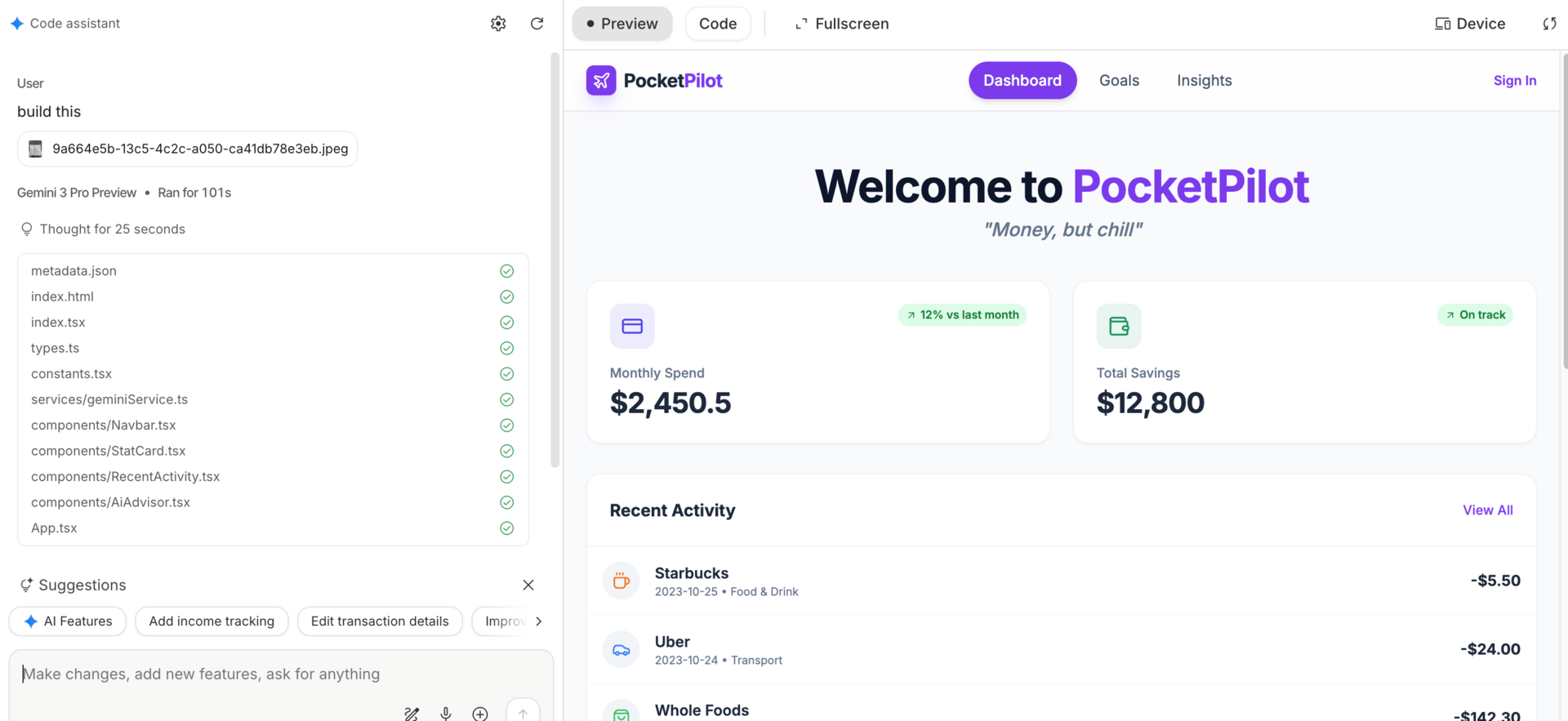
With Gemini 3 Pro, you can take a rough sketch drawn on paper, upload a photo, and simply say “build this.” You don’t explain layouts or components. The model analyzes the image and turns it into working code.
6.2. What Gemini 3 Pro understands visually
It doesn’t just see shapes. It understands hierarchy, layout intent, and how parts relate to each other. Buttons look like actions. Sections look like structure. This is why the output feels usable instead of random.
6.3. Where to do this
This works inside the “Bring Anything to Life” experience in Google AI Studio. You upload the image, add a short instruction, and let Gemini 3 Pro handle the translation.
6.4. Who this is perfect for
This is ideal for founders, designers, product thinkers, and no-code builders. If you can sketch an idea, you can turn it into something real without learning new tools or explaining technical details.
7. Nano Banana Pro: Image Generation That Finally Gets Text Right
7.1. What Nano Banana Pro is
Nano Banana Pro is the upgraded image generation model inside Gemini 3 Pro. It’s built for practical visual work, not just art experiments. The big difference is reliability. It understands instructions clearly and produces images you can actually use in real projects.
7.2. Why spelling accuracy matters
If you’ve ever tried generating posters or thumbnails with AI, you know the pain. Misspelled words. Broken letters. Random text that looks fine until you zoom in. Nano Banana Pro fixes this. That matters for posters, flyers, thumbnails, and any marketing asset where text needs to be readable and correct. You don’t need to manually fix typography after the fact.
7.3. Prompt structure that works
Nano Banana Pro responds best to clear structure. You tell it the subject, then how the image should be framed, what’s happening in the scene, where it takes place, and the visual style. You can also specify camera, lighting, and aspect ratio. This isn’t about fancy wording. It’s about giving complete visual intent so the model doesn’t guess.
For example:
Urban Fitness Studio Poster

Goal:
Create a high-impact morning workout poster for a modern fitness studio with clean, perfectly readable text and energetic cinematic lighting.

Subject:
A focused male and female athlete in their late 20s wearing minimalist workout gear. One is mid–kettlebell swing, the other is tying wrist wraps. Concrete walls, hanging gymnastic rings, chalk dust in the air, and subtle branding elements on the wall.

Composition:
9:16 vertical poster. Medium-wide shot at eye level. Foreground depth created by blurred kettlebells. Background shows the full training space with strong vertical lines from pillars and ropes guiding attention toward the athletes.

Action:
One athlete completes a powerful kettlebell swing. Chalk dust floats in slow motion. The second athlete finishes tightening wrist wraps, preparing to train.

Location:
A sunlit industrial-style fitness studio with concrete floors, exposed beams, and tall windows. Early morning light cuts through the space, creating dramatic highlights and shadows.

Style:
Photorealistic with a modern athletic editorial look. High contrast lighting with cool gray tones balanced by warm skin highlights. Clean, sharp textures with minimal grain.

Camera & Lighting:
35mm lens feel. Shallow depth of field (f/2.0). Strong side lighting from windows. Soft overhead practical lights as fill. Subtle rim light outlining muscles and motion. ISO 200. Slight motion blur in chalk particles.

Aspect Ratio & Resolution:
9:16 vertical at 4K resolution. Crisp output optimized for poster and social media use.

Specific Text Integration:
Headline “RISE STRONG” in bold, white, modern sans-serif centered near the top.
Subhead “Morning sessions 6–8 AM” smaller, aligned below the headline.
Wall signage remains legible, including “Strength • Conditioning • Mobility.”

Editing / Iteration Notes:
Ensure all text is perfectly spelled, evenly spaced, and fully legible. Slightly increase contrast around typography if needed for clarity.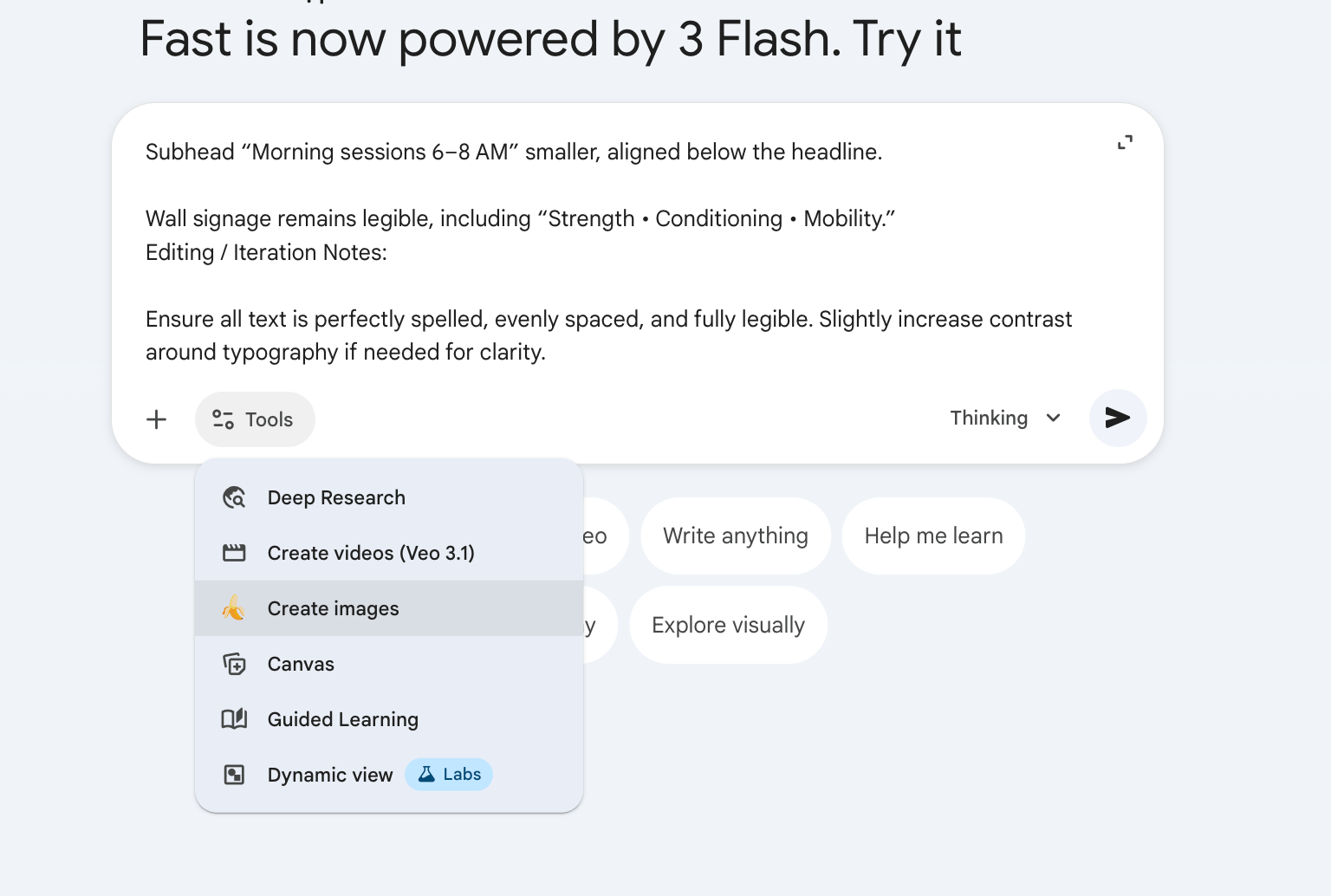

Nano Banana Pro is where image generation stops being a demo and starts being a tool. Inside Gemini 3 Pro, it fits naturally into real workflows where visuals need to look right the first time.
8. Multimodal Power: Audio, Video, and YouTube Analysis
8.1. Audio file analysis
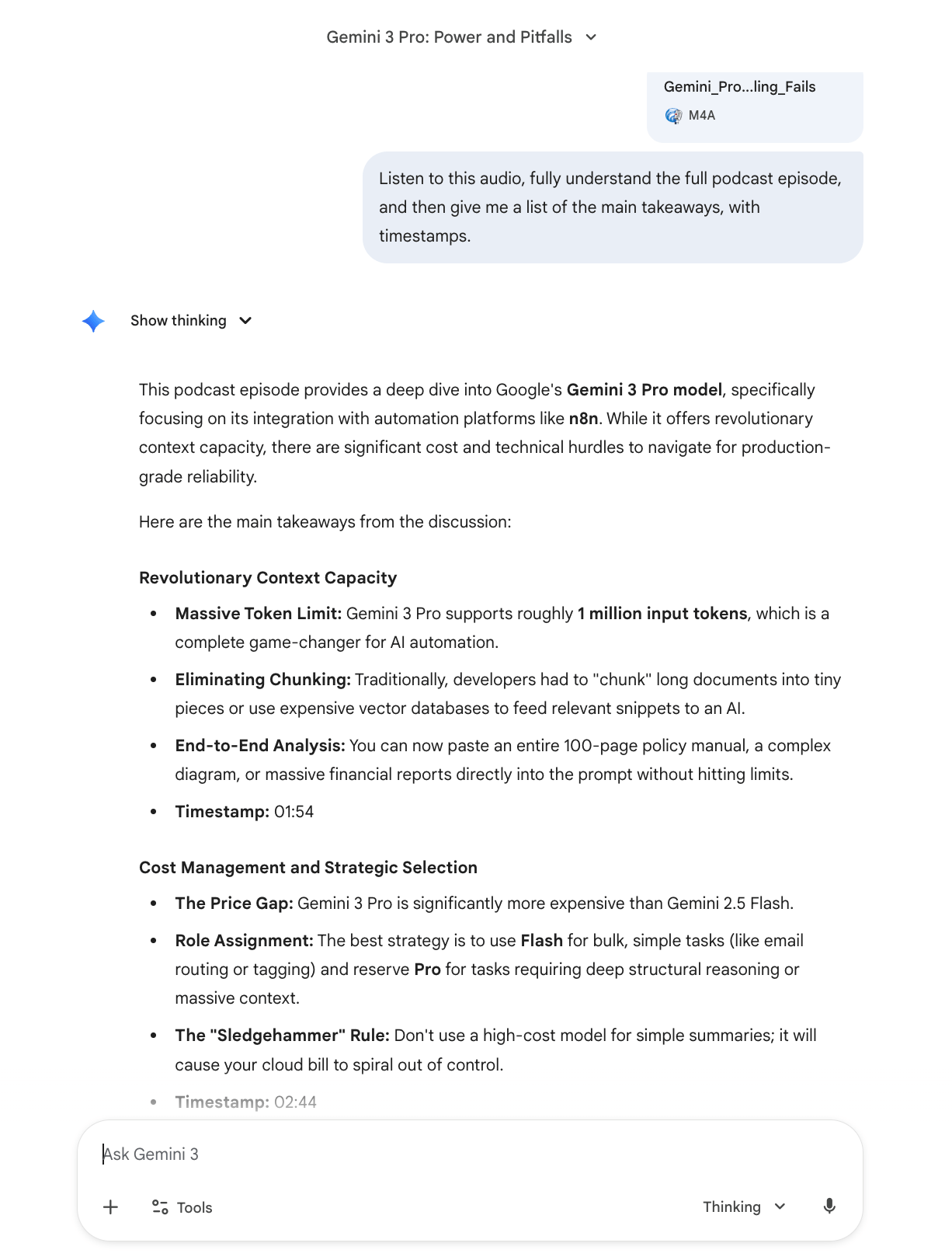
With Gemini 3 Pro, you can upload an audio file and ask it to actually listen. It understands the full episode, then gives you clean summaries, key takeaways, and accurate timestamps. This is useful for podcasts, interviews, meetings, or long recordings where skimming isn’t an option.
8.2. YouTube video analysis
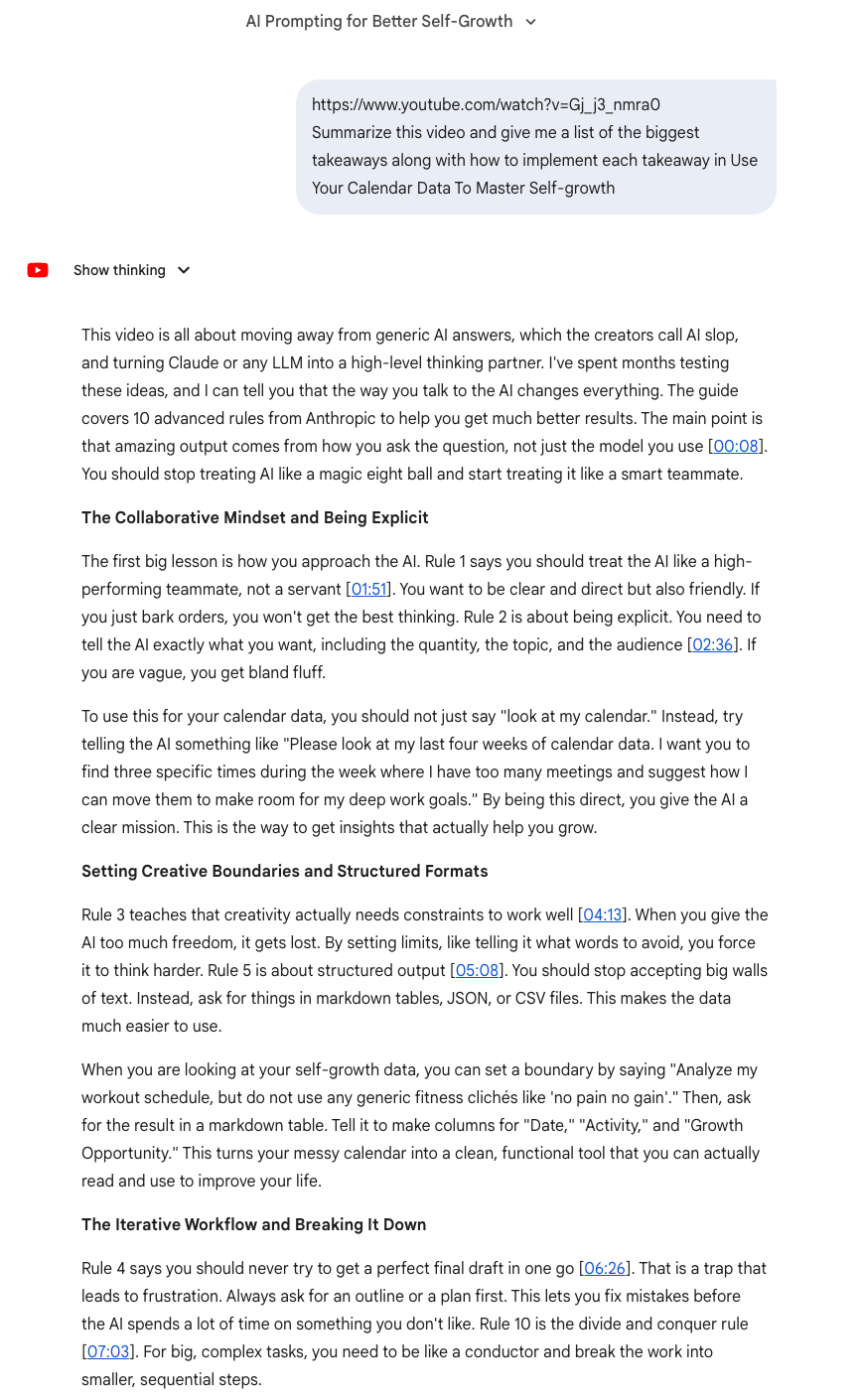
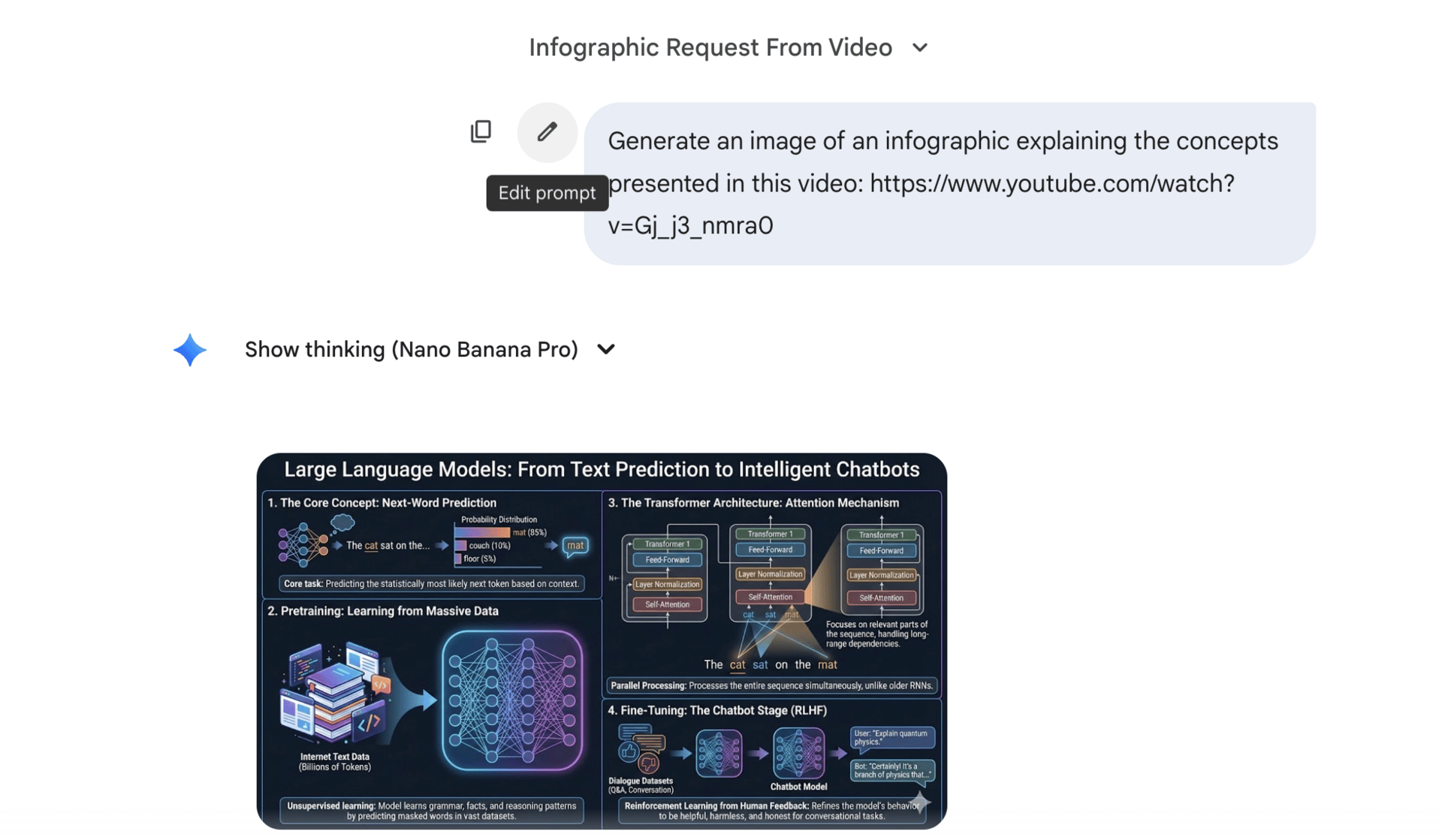
You can paste a YouTube link and ask Gemini 3 Pro to summarize the video, extract the main ideas, and explain how to apply them to a business or project. Long videos that would normally take 30–60 minutes to watch get processed in seconds, without losing the core message.
8.3. Short-form clip extraction
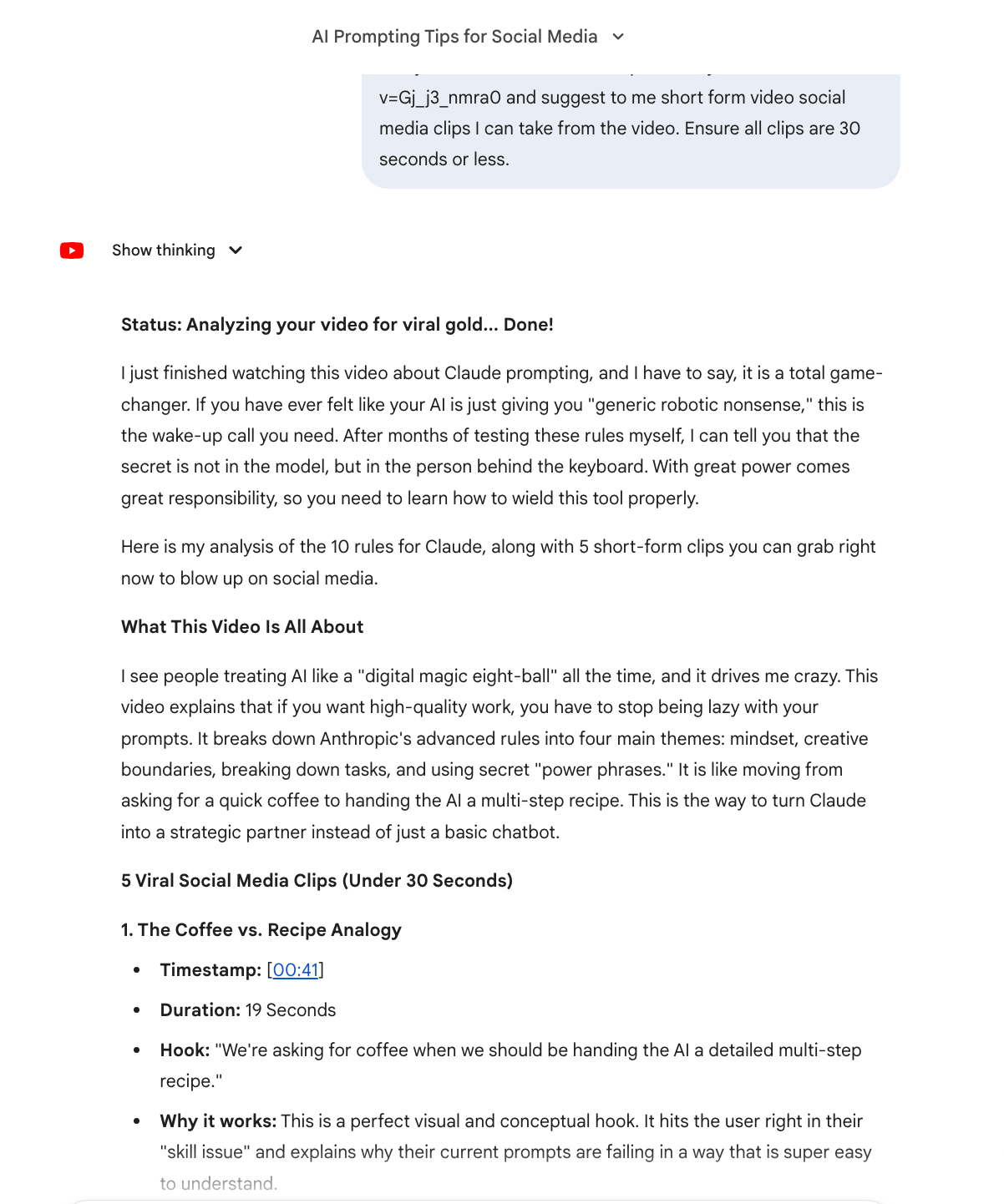
Gemini 3 Pro is also strong at repurposing. You can ask it to analyze a YouTube video and suggest short-form clips under 30 seconds. It returns clear hooks, timestamps, and even suggested quotes. That makes handoff easy if you’re using editing tools like Opus Clip or Descript.
 |  |
8.4. Why this matters
Most AI tools treat text as the default. Gemini 3 Pro treats audio and video as first-class inputs. That means you don’t have to translate everything into text before working with it. You give it the raw content, and it does the thinking for you.
This is where Gemini 3 Pro starts saving real time. Not by being clever, but by removing entire steps from your workflow.
9. Generate Infographics & Brand Assets in One Flow
9.1. Infographic generation
Gemini 3 Pro can turn long content into visual summaries in one step. You give it a video, article, or set of ideas, and ask for an infographic. It understands hierarchy and emphasis, so the output isn’t random icons and text blocks. This works well for blogs, social posts, slide decks, and internal docs.
9.2. Multi-step creative workflows
What makes this different is that you can chain thinking together. You can ask Gemini 3 Pro to analyze your brand, review past visuals, and then generate something new that fits the same style. You don’t need to break this into separate prompts. One request is enough.
9.3. Example: channel or brand assets
A practical example is creating a YouTube channel banner. You can ask Gemini 3 Pro to analyze your channel, look at recent thumbnails, follow best practices for dimensions, and generate a banner that matches your existing look. If it feels busy or off, you give feedback and iterate.
9.4. Why this works
Gemini 3 Pro doesn’t treat design as a one-off output. It treats it as a process. It keeps context across analysis, creation, and revision. That’s why these assets feel closer to something a designer would deliver, not a generic AI image.
This is where Gemini 3 Pro starts replacing entire creative workflows, not by being perfect, but by being fast, consistent, and easy to refine.
10. Use Gemini 3 Pro as a Decision Simulator (Not a Generator)
10.1. What most people do
Most people ask Gemini 3 Pro to suggest options or list best practices. The output looks fine, but it’s shallow. It tells you what could work, not what usually breaks in the real world.
10.2. What pros do differently
They use Gemini 3 Pro to simulate decisions under constraints. Instead of asking for advice, they ask it to think like an experienced operator making real trade-offs. The goal isn’t ideas. It’s foresight.
10.3. How to use it
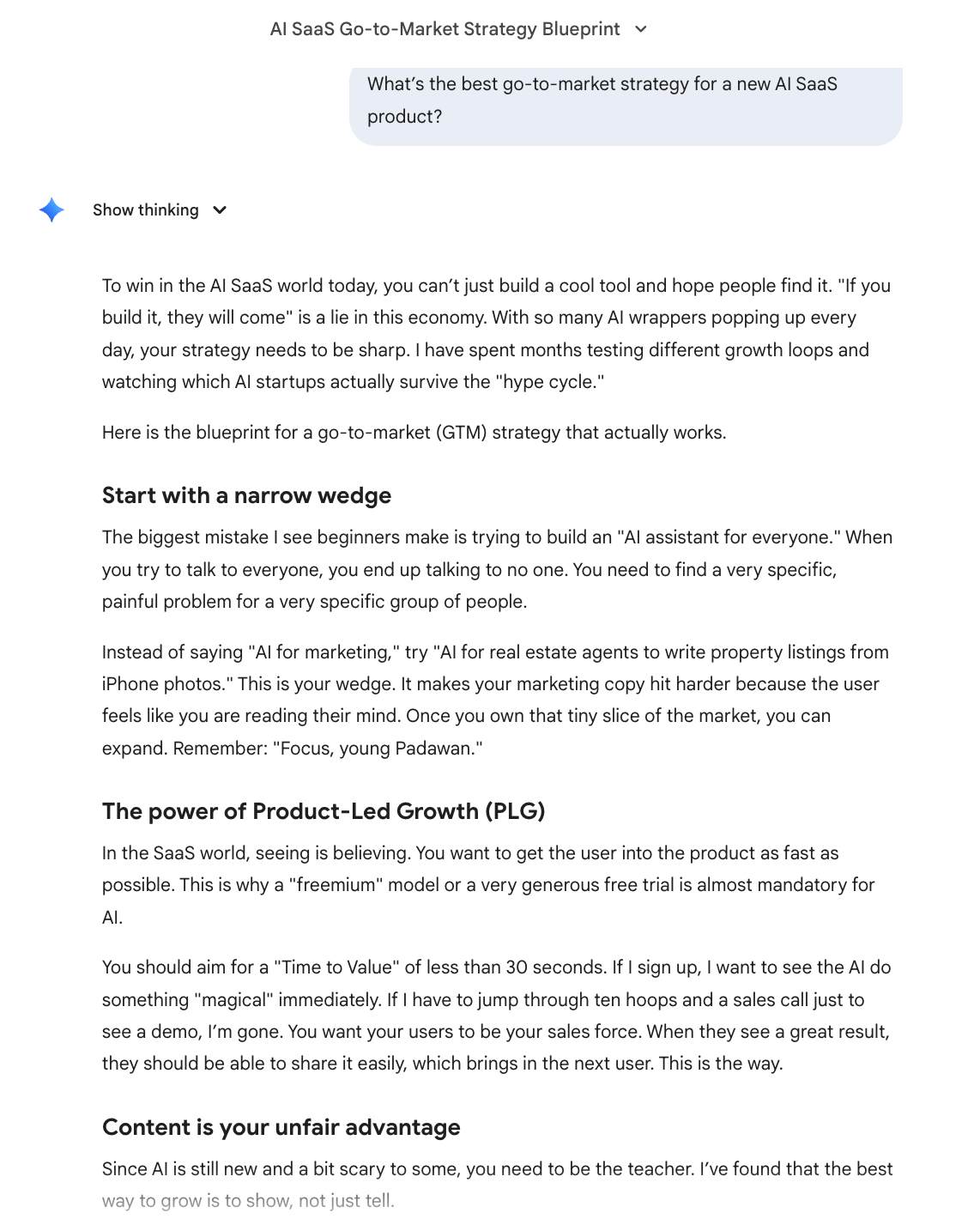
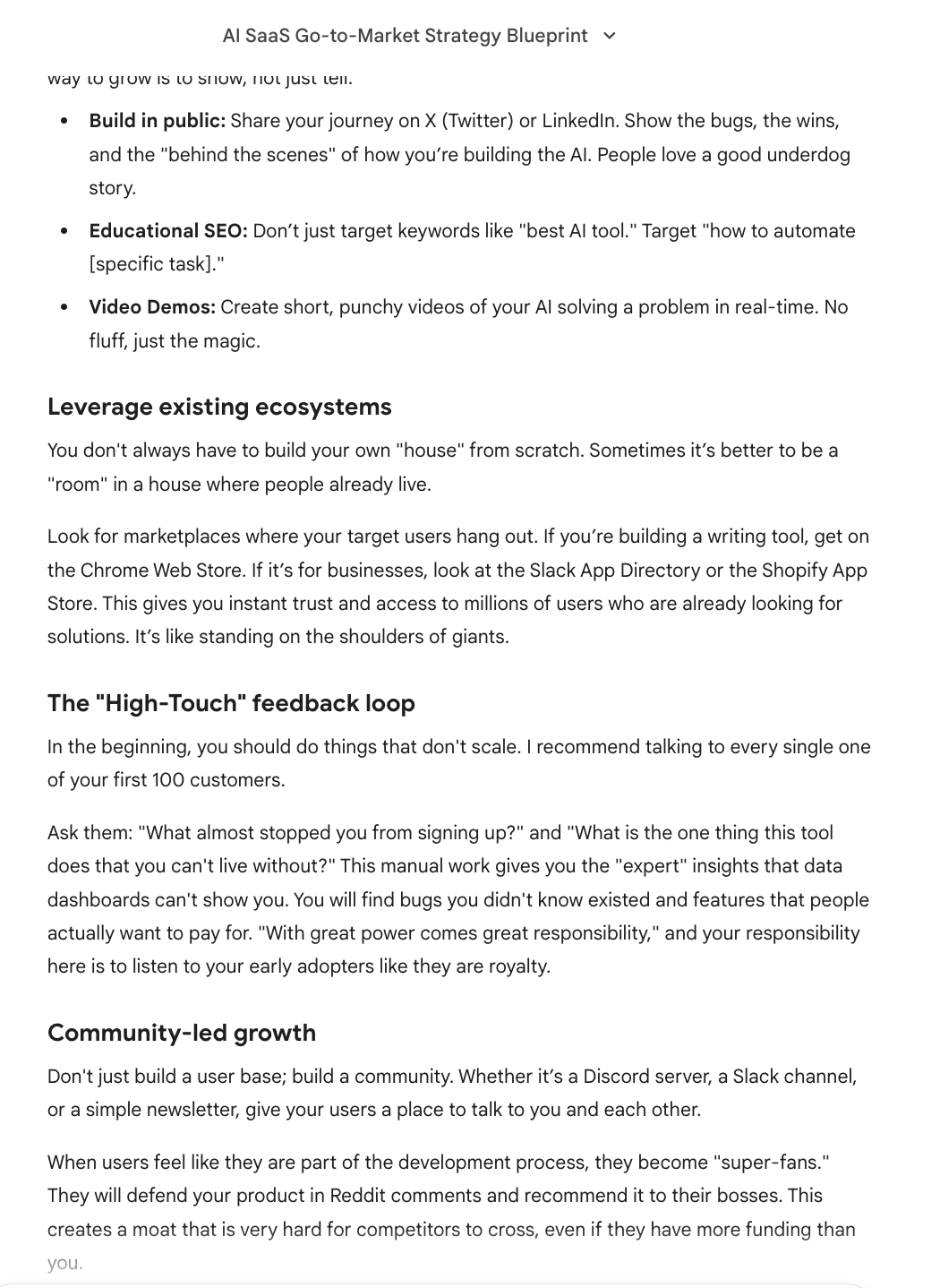
You stop asking, “What’s the best strategy?”
 |  |
You ask something like:
I’m launching a B2B AI SaaS for small operations teams.
I have 2 months of runway, no existing audience, and $3,000 for marketing.
I can only commit to one go-to-market strategy for the next 60 days.

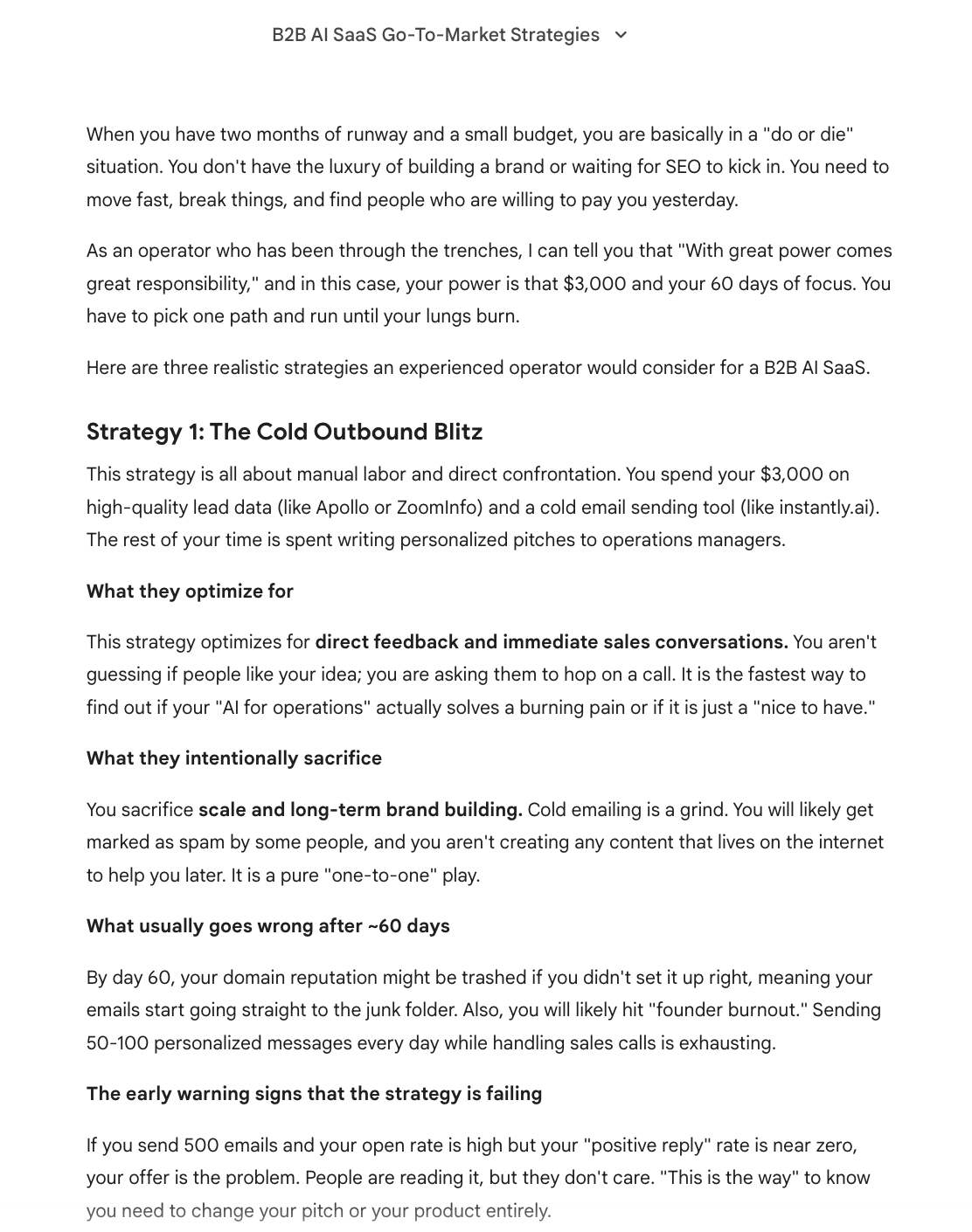
Simulate three realistic strategies an experienced operator would choose.
For each one:

What they optimize for

What they intentionally sacrifice

What usually goes wrong after ~60 days

The early warning signs that the strategy is failing

Don’t recommend the “best” one. I want to see the trade-offs clearly.
Gemini 3 Pro can hold these parallel scenarios without mixing them up. It keeps the logic consistent and grounded in constraints instead of optimism.
10.4. Why Gemini 3 Pro shines here
This works because Gemini 3 Pro has strong internal trade-off reasoning. It doesn’t collapse into generic answers when asked to compare paths. The outputs feel like post-mortems written in advance, which is exactly what you want before committing time or money.
Conclusion: Why Gemini 3 Pro Changes How You Work
The real advantage of Gemini 3 Pro isn’t speed. It’s not cost either. It’s cognitive leverage. You can give it a full problem, with context and constraints, and it can think through strategy, trade-offs, and execution without falling apart. That changes how much mental load you carry day to day.
To start, don’t try to use everything at once. Pick one trick from this article and apply it to a real problem you already have. A messy decision. An automation you’ve been avoiding. A system you can’t quite explain. Use Gemini 3 Pro there first. Confidence comes from seeing it work, not from reading about it.
The bigger shift is mental. AI is no longer something you carefully prompt to get an output. With Gemini 3 Pro, it becomes a system you collaborate with. You bring the problem. It helps you think. And once that clicks, it’s hard to work the old way again.
If you are interested in other topics and how AI is transforming different aspects of our lives or even in making money using AI with more detailed, step-by-step guidance, you can find our other articles here:
Overall, how would you rate the AI Fire 101 Series? |
Reply