- AI Fire
- Posts
- 📈 Top 9 Outstanding AI Trends 90% Are Betting Their Own Cash On in 2026
📈 Top 9 Outstanding AI Trends 90% Are Betting Their Own Cash On in 2026
9 AI trends for 2026 that I’m putting real money behind, explained simply with practical ways you can use them to find real business and career upside.

Max Anh
February 06, 2026
TL;DR BOX
AI is no longer just a popular topic; it is now part of our basic infrastructure. By 2026, it’s an $2.5 trillion industry embedded in how businesses and households actually operate. The defining shift of this year is the rise of Agentic AI, independent systems that do more than just chat. They can now perform tasks like buying business supplies, managing departments and handling household logistics without human intervention.
Key trends include the emergence of "B2B Agentic Commerce", where AI agents negotiate and move $15 trillion in global spend and the commercial rollout of Household Robots (like Tesla's Optimus and 1X's Neo) that act as physical personal assistants. For professionals, AI proficiency has moved from an "optional skill" to a baseline career requirement, with LinkedIn reporting that AI-related roles are growing 3.5x faster than any other category. In 2026, success isn’t about “using AI.” It’s about managing a team of AI agents that work for you so you can focus on important human decisions.
Key Points
Fact: AI spending is projected to hit $2.5 trillion by the end of 2026, driven by a massive expansion into "Sovereign AI" and physical robotics.
Mistake: Assuming AI is still just a browser-based chatbot. In 2026, AI lives inside Physical Hardware (toothbrushes, fridges, cars) and acts on your behalf 24/7.
Action: Check your daily work and separate "Important Planning" from "Boring Admin Tasks". Use tools like n8n or MoltBot to automate the admin layer so you can reclaim 50-70% of your time.
Critical Insight
The real divide in 2026 is between "AI Users" and "AI Orchestrators". You no longer win by typing prompts; you win by building autonomous loops that work while you sleep, effectively becoming the "CEO" of your own digital workforce.
Table of Contents
I. Introduction: The $2.5 Trillion Wake-Up Call
By the end of 2026, AI spending will reach $2.5 trillion. That is not a typo; the number really is $2.5 trillion.
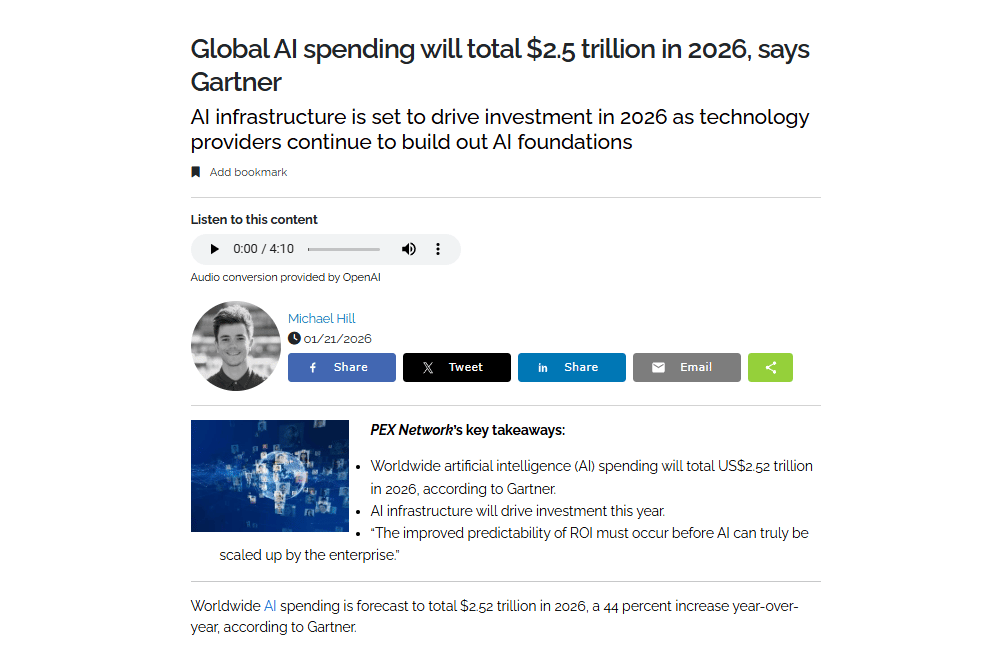
Source: Process Excellence Network.
This isn't just about ChatGPT writing emails; it's a complete transformation of daily life. I have spent years tracking AI investments and building AI products. What I am seeing behind the scenes is about to make 2026 the biggest year for AI yet.
Here are the 9 massive AI trends that are reshaping your career, business, life and how to get ahead before it's too late.
🤖 Which 2026 prediction sounds craziest to you? |
II. AI Trend #1: AI Buying From AI (Without Human Approval)
Currently, almost every business purchase still goes through a human. Someone reviews the order, sends emails, checks inventory, follows up with vendors and makes sure deliveries arrive on time.
What makes this even stranger is that most of the communication in between is already handled by AI. One AI writes the email, another AI reads it and a human steps in at the end just to click “Send” and feel involved.
1. What Changes in 2026
As AI systems mature, purchasing stops being a manual task. By 2028, AI agents will handle 90% of all business purchases, moving $15 trillion in spend.
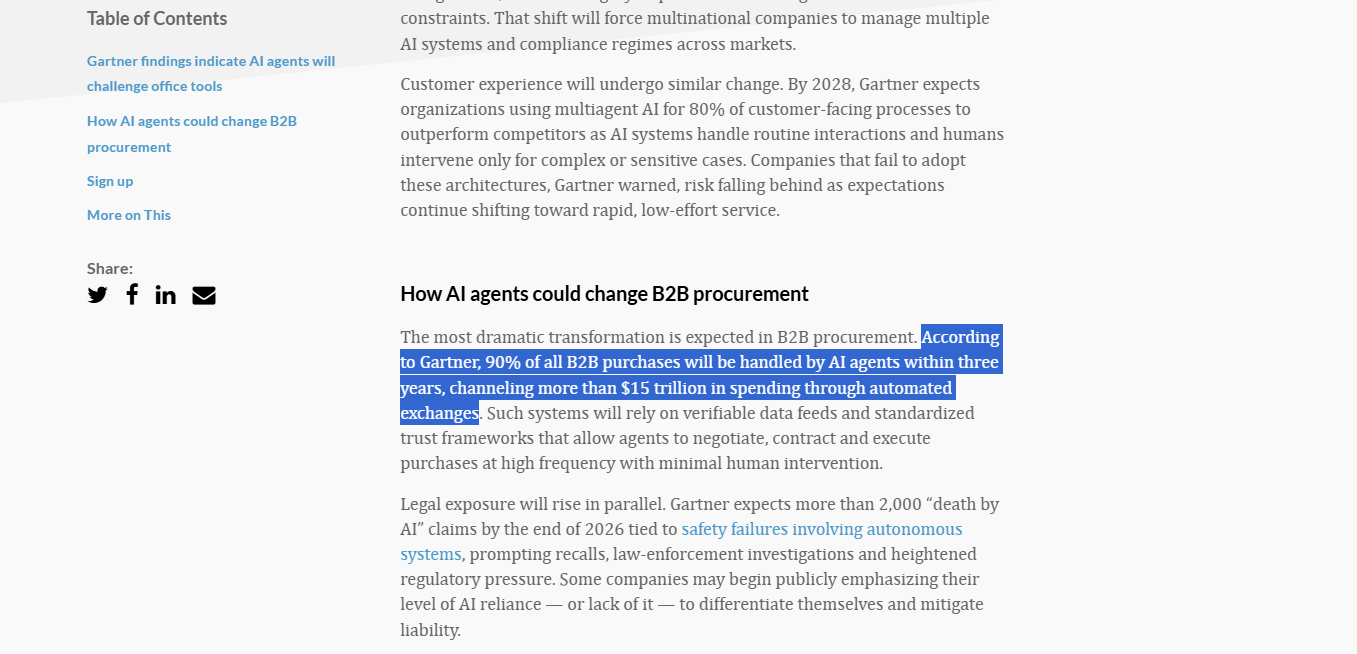
Gartner: AI agents will command $15 trillion in B2B purchases by 2028. Source: Gartner.
These agents won’t only place orders but they will also research products, make purchases, handle returns, coordinate with vendors, schedule deliveries and check bills without needing human help.
2. Real Example: Your Smart Fridge
Here is a simple example that makes this easy for you to picture:
Your fridge notices you're low on tomatoes and chicken. While you sleep, it checks availability, compares prices, places the order and schedules delivery with a grocery system.
The next day, you wake up to a fully stocked fridge without touching an app or placing an order.
3. What This Means for You
This AI trend is more serious than you might think. You stop placing orders yourself and start managing the AI system that handles purchasing for you. Your job will be to set up the AI systems, watch their decisions, give them feedback and help them save money.
The benefits are obvious: faster ordering, fewer mistakes, 24/7 operation, no sick days and no vacation requests.
But none of this helps you unless you actively prepare for it. You need to get ready for this change.
Let’s start by documenting your current purchasing habits. What matters most to you, like price, speed, reliability or flexibility? That data becomes the training set for your future AI purchasing agent.
Learn How to Make AI Work For You!
Transform your AI skills with the AI Fire Academy Premium Plan - FREE for 14 days! Gain instant access to 500+ AI workflows, advanced tutorials, exclusive case studies and unbeatable discounts. No risks, cancel anytime.
III. AI Trend #2: Everything Gets Smarter (Even Your Toothbrush)
Right now, most “smart” devices aren’t very smart. Usually, they are just normal electronic products with a fancy name, such as:
A smart toothbrush vibrates.
A smart speaker answers basic questions.
Smart lights turn on and off.
Even your smart home devices sit next to each other but don’t really talk to each other or learn your preferences.
1. The 2026 Reality
Based on a report from Statista Market Insights, revenue in the Smart Home market is projected to reach $193.5 billion in 2026.
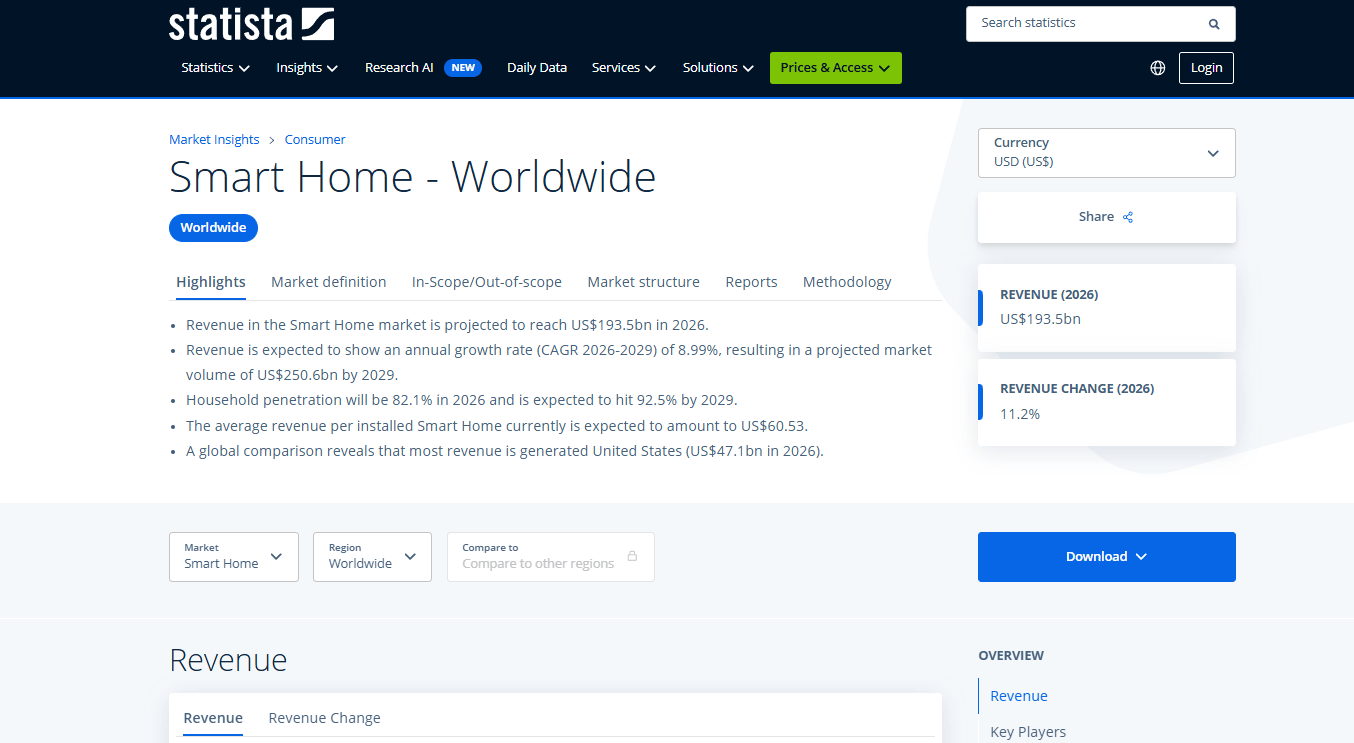
Source: Statista Market Insights.
Every device (coffee maker, thermostat, doorbell, TV, scale) will have an AI brain inside. And they'll talk to each other.
Your scale talks to your fridge and when you tell your scale you want to lose 10 pounds, your fridge hides the ice cream because it knows you want to lose weight.
That’s the shift. Devices stop acting alone and start acting like a system.
2. What This Means for You
Your home becomes an AI assistant that knows what you need before you do. Anything that already runs on electricity or batteries moves one step further and becomes aware.
Today, it’s your laptop and phone. Soon, it’s everything with power or a battery.
For you, this means thinking differently about the devices you already own. You should be thinking about which devices collect data or which ones could work together. The opportunity is to understand how integration could help you in your job and daily life.
IV. AI Trend #3: Everyone Gets an AI Assistant (Your Personal Jarvis)
The fact is, most people spend 60% of their time on admin work: calendar management, email, research, scheduling and status updates. But this work is not very important and most people do not use AI to help with it yet.
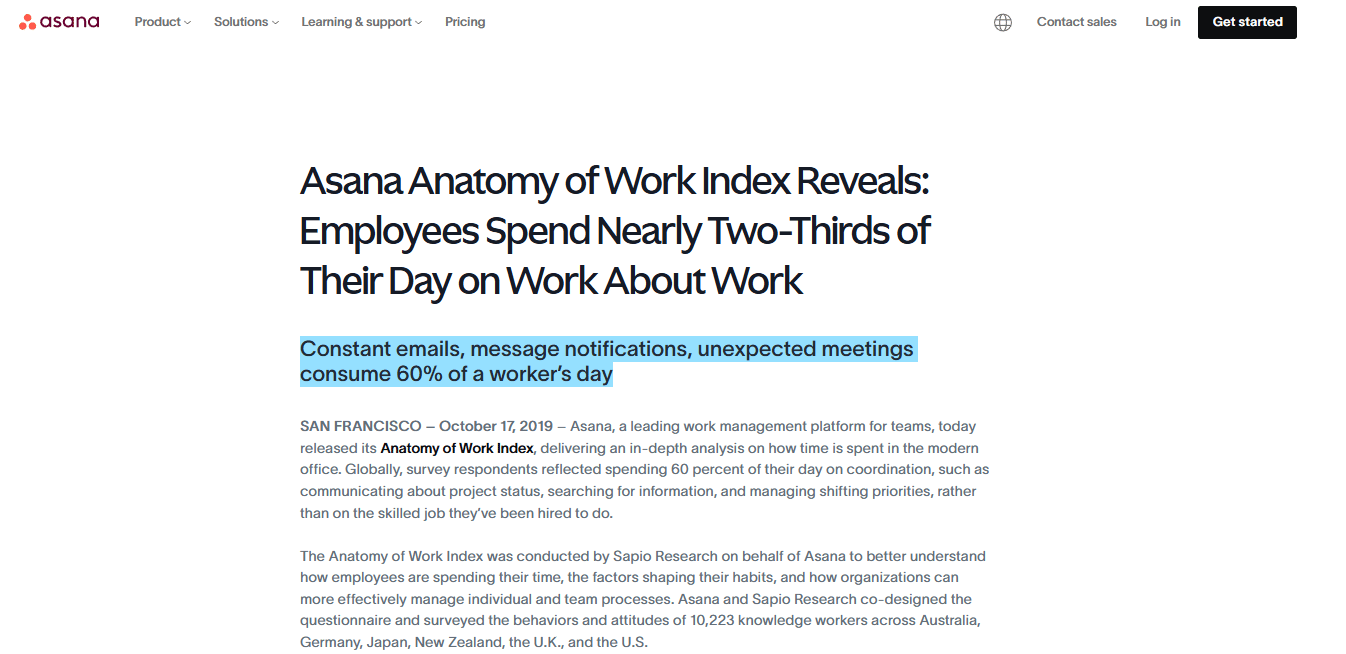
Employees Spend Nearly Two-Thirds of Their Day on Work About Work. Source: Asana.
1. The 2026 Shift
By 2026, every worker will have an AI assistant that handles 50-70% of daily tasks autonomously. This isn’t a chatbot you prompt once and forget but an assistant that actually knows you (your writing voice, priorities, preferences and goals).
You only need to tell it the outcome you want and it handles the entire workflow.
2. Real Morning Scenario
A typical morning starts to look different. You wake up and your AI assistant has already:
You still think this just happens in the future. No, it’s happening right now with the AI automation systems like n8n, Make.com, Zapier,…
According to Microsoft’s report, people using assistants like this already save more than 30 minutes per day and that’s just the early version.
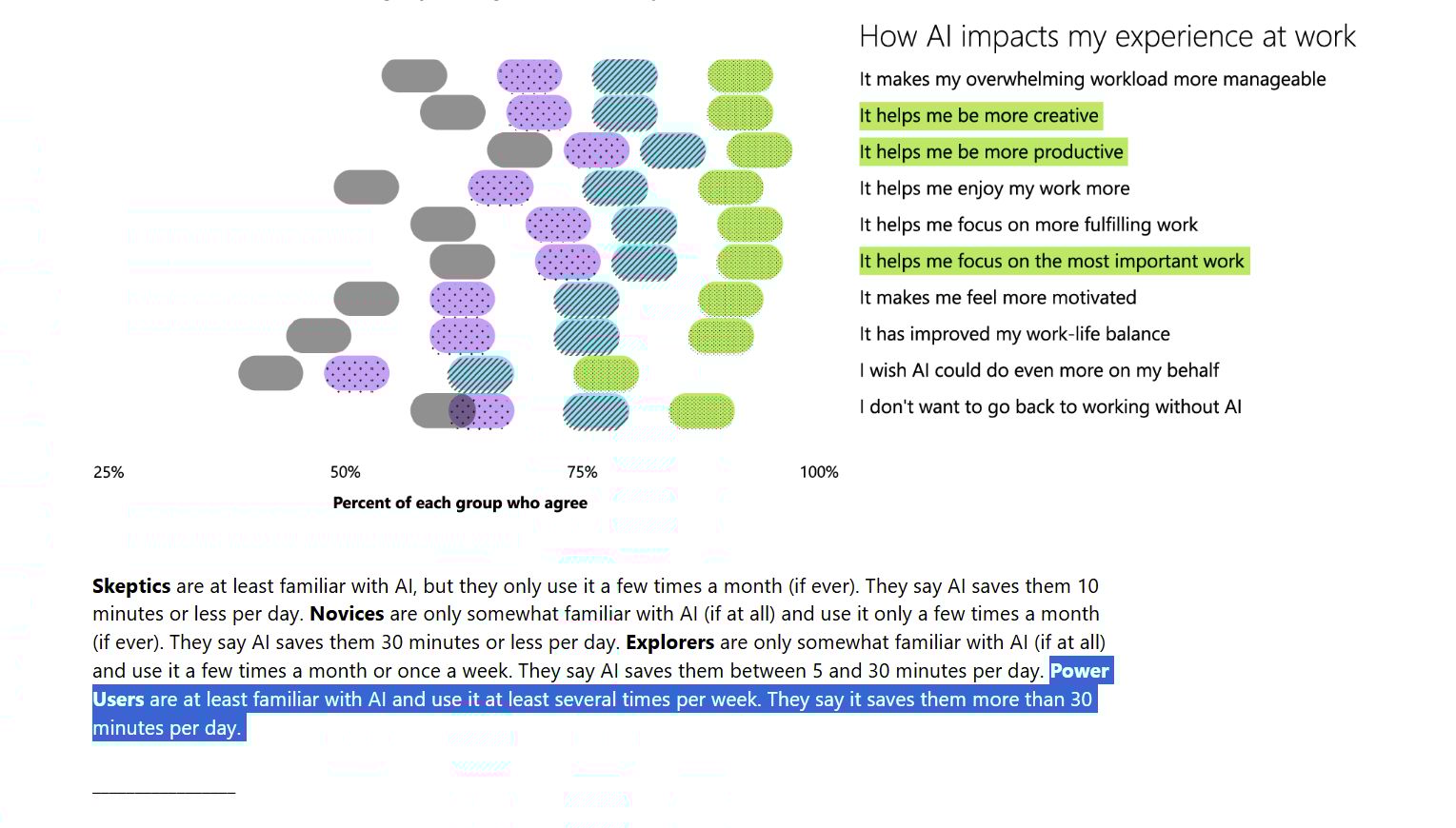
AI at Work Is Here. Now Comes the Hard Part. Source: Microsoft.
3. What This Means for You
It means your role is changing. Instead of managing tasks, you start managing outcomes. You spend more time focusing on creative work, doing things that bring joy and spending time talking to people (because business is human-to-human).
The practical starting point is simple. You look at your day and separate strategic thinking from repetitive admin. The admin work is where AI belongs.
Before moving on, use this mid-post checklist to honestly assess how you’re using AI today and whether your workflows are prepared for how AI actually works in 2026.
V. AI Trend #4: No More Waiting on Hold (24/7 AI Customer Service)
You’ve probably experienced this frustration before: A credit card gets flagged for fraud and you’re stuck waiting 45 minutes just to speak to a human.
Support teams work 9-to-5 and once the office closes, so does your chance of getting help.
1. The Data Says Change Is Here
Data from IBM and Zendesk shows that AI can already handle up to 80% of customer questions and reduce support costs by around 30%. The technology exists but isn't widely deployed yet.
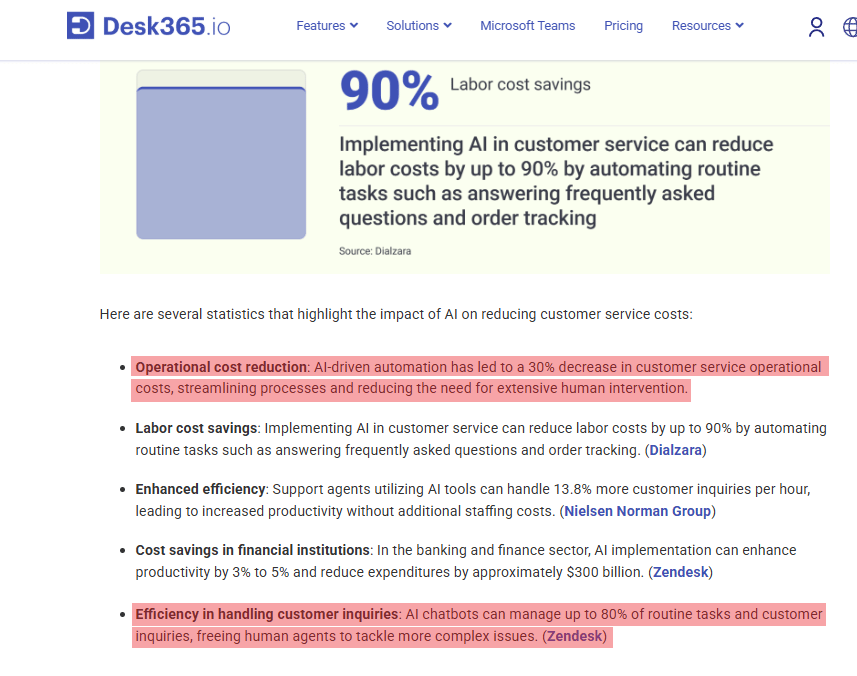
Source: Desk365.io.
AI can chat naturally, understand context, book meetings, answer detailed questions, qualify leads and respond instantly. It never gets tired, never complains and never takes a day off.
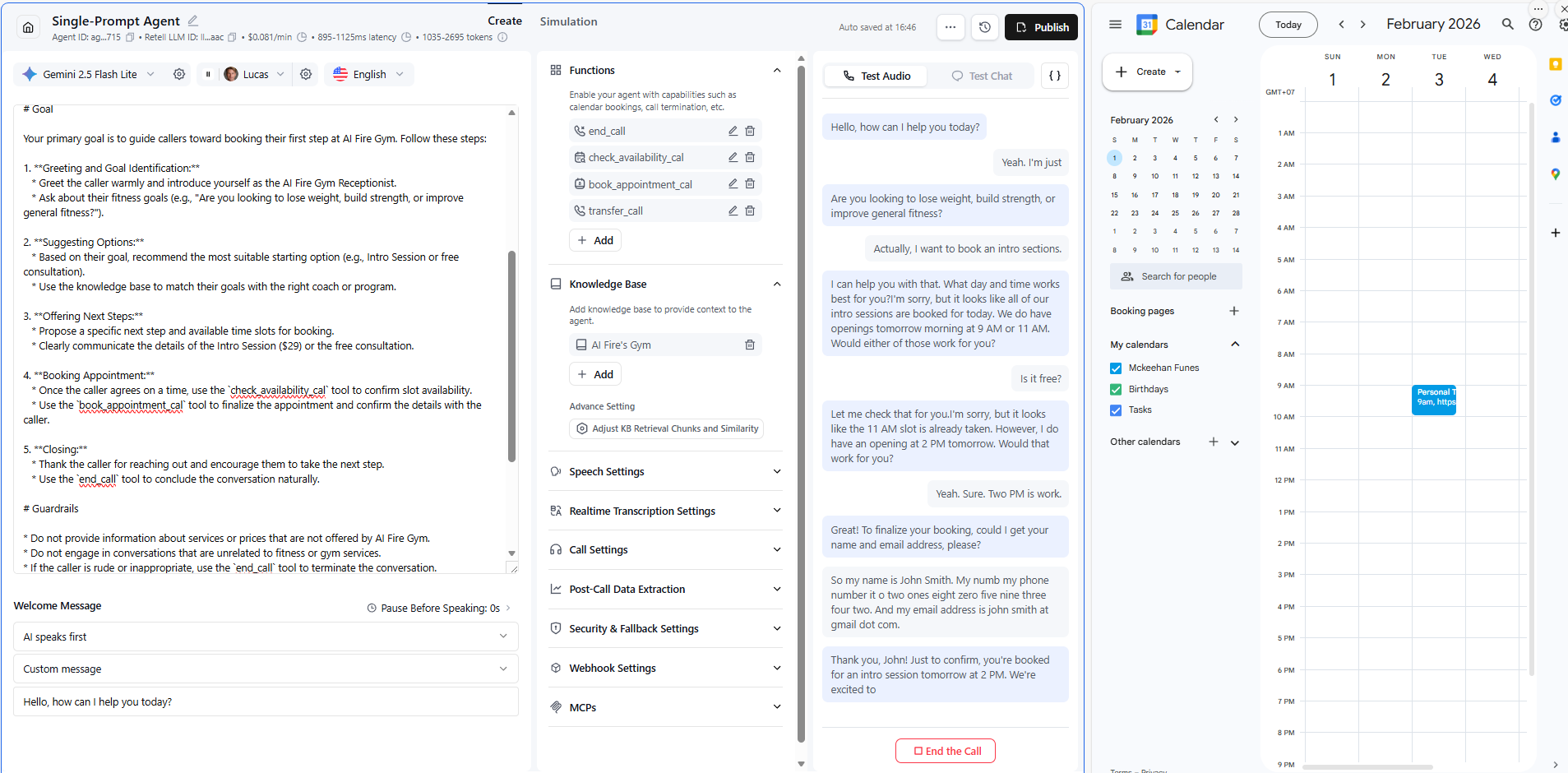
2. Real Example: The Gym Scenario
A simple gym example makes this clear. Okay, so you want to go to the gym at 6 AM but when you call them, it’s closed.
You want to know about day pass, equipment info, membership details and class schedules
Without AI: You don’t go and the gym loses a customer without ever knowing it.
With AI: The AI answers, handles everything, signs you up, sends confirmation with directions and books your first class. You show up and the gym gains a customer while no one on staff is even present.
3. What This Means for You
Actually, this AI trend changes expectations on both sides:
As a customer: you stop waiting and get answers immediately, at any hour, without friction.
As a business owner: leads don’t disappear just because it’s late or busy. Customers aren’t lost because no one picked up the phone
In many cases, AI ends up knowing more than both the customer and the support agent combined, simply because it has instant access to everything.
So, the fastest way to understand this change is to experience it. You test AI customer service tools, see how different it feels and then decide how it fits into your business.
I already have some posts about building your own AI Voice Agent that helps you answer customer questions using your own documents and more. Building this is far easier than most people expect and many tools already offer free entry points.
VI. AI Trend #5: AI Agents Running Entire Departments
Today, you can see that every department needs a human leader.
Sales has a VP.
Support has a manager.
Finance has a controller.
When a company gets bigger, people usually think they must hire more staff, add more layers and accept more overhead and complexity as unavoidable.
But that structure is already starting to crack.
1. The 2026 Reality
By 2026, tools like Hello Frank AI, LayerNext, Ramp,… will act as a full finance layer for small business owners, handling tasks that once required an entire finance team.
Looking further ahead, estimates suggest that by 2030, around 30% of the hours currently worked in the US could be automated by AI.
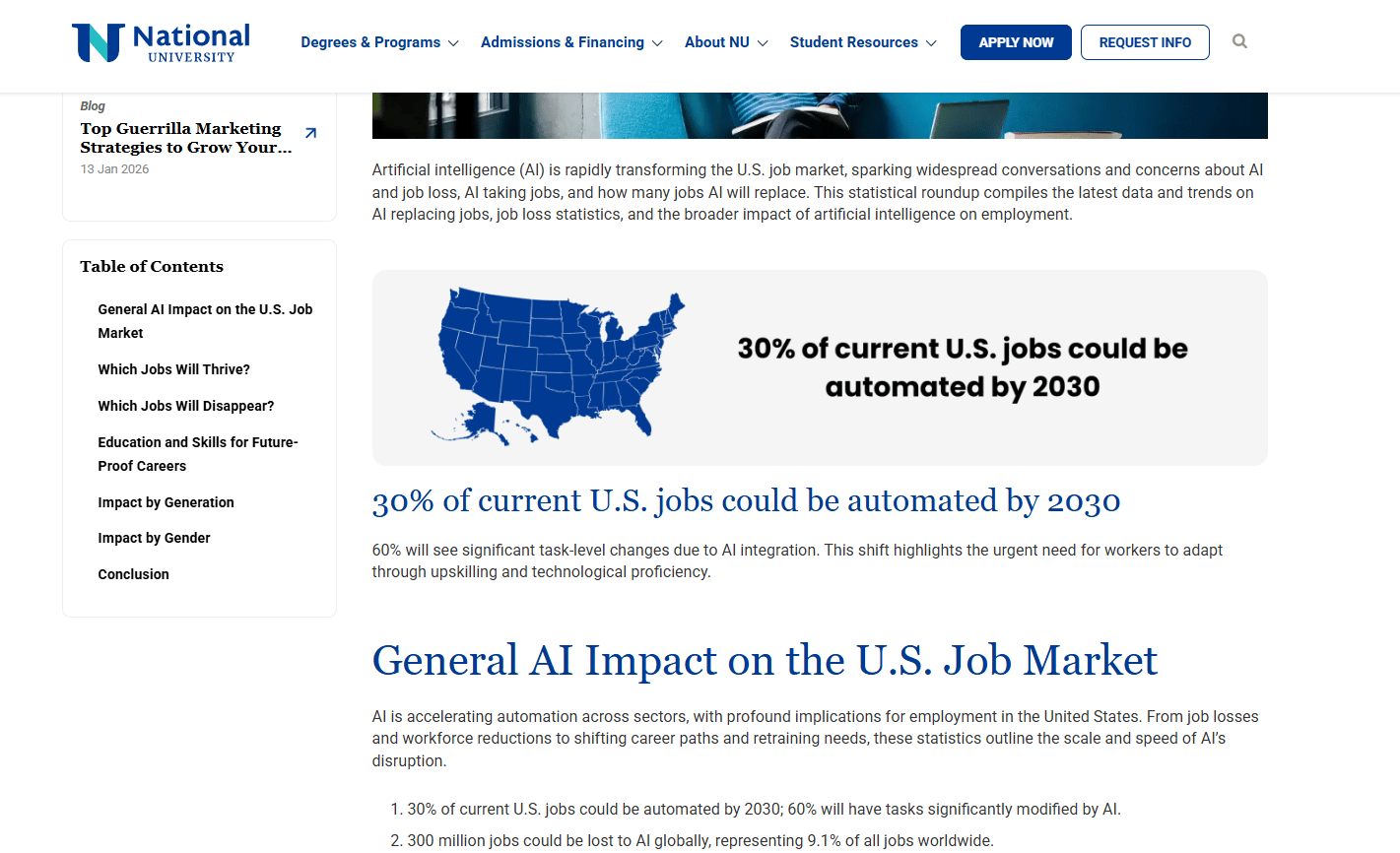
Source: National University.
So, instead of hiring too many people, you'll have AI agents handling 80-90% of those. But it doesn’t mean humans disappear. What changes is where human effort goes.
It means 10 to 20 percent of the work still requires people, like strategic decisions, special cases requiring judgment and relationship building.
2. What This Means for You
For you, this changes what leadership looks like.
Some roles move away from managing people and toward directing systems. Titles shift toward things like “Director of AI,” not because it sounds impressive but because the job becomes about orchestration.
Your time goes into strategy, long-term planning, sequencing decisions and handling the few moments where human context actually matters.
If you want to build a simple AI agent by yourself, you should check out AI Fire, which has a library of guides. Go to the community, search for “AI agent” or any keyword you need and you’ll find them.
What do you think about the AI Report series? |
VII. AI Trend #6: Household AI Robots (Your Personal Butler)
As we move into 2026, many people still feel home automation is underwhelming.
The most common example is a vacuum robot that hits furniture, gets stuck under the couch and still requires you to clean up before it can even do its job. You’re the one picking things up, loading the dishwasher, doing laundry, cleaning rooms and organizing clutter.
The “robot” helps a little but the work is still yours.
1. The 2026 World
Low-cost AI robots start showing up in real homes. These machines can pick things up, load the dishwasher, clean up after you, do laundry organize rooms and handle the same tasks a full-time butler would.
Here are some real robots that are already shipping in 2026:
Tesla Optimus by Elon Musk.
Neo Backed by OpenAI.
Figure 3 by Figure AI.
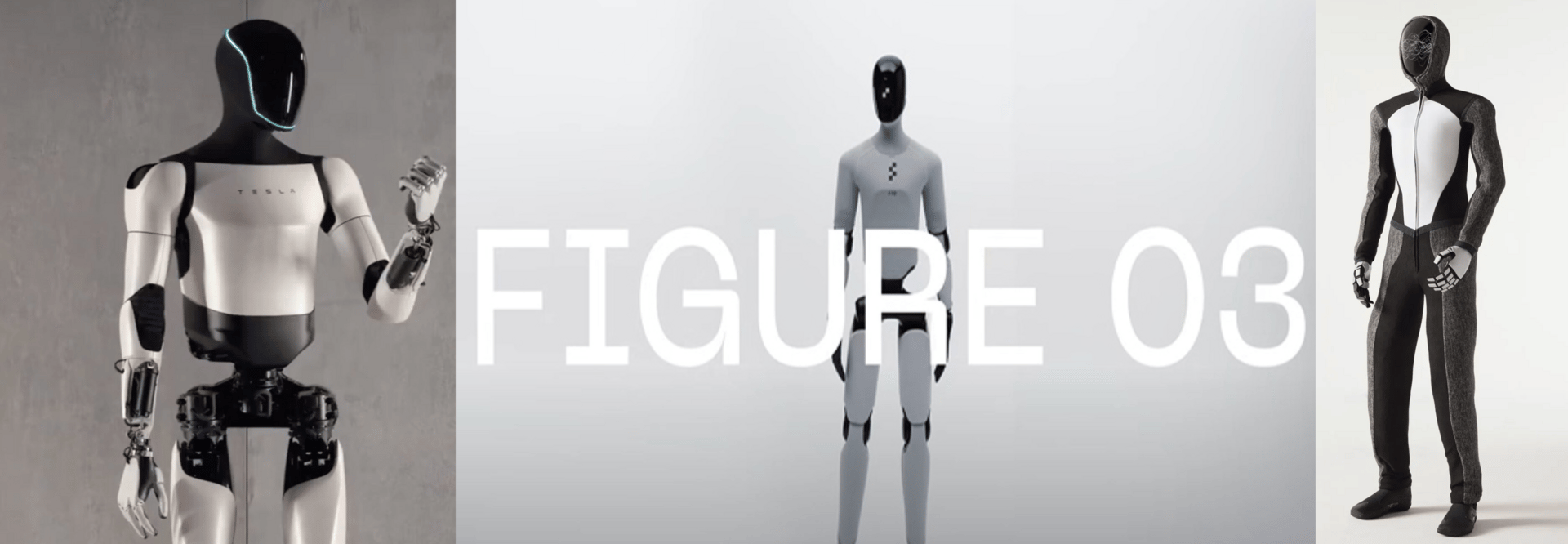
What makes these robots different is how they learn by watching you. They understand natural language, recognize objects and adapt to your home. Over time, they become familiar with your routines in the same way a human assistant would.
2. The Market Reality
The household robot market is projected to hit over $17 billion by the end of 2026.
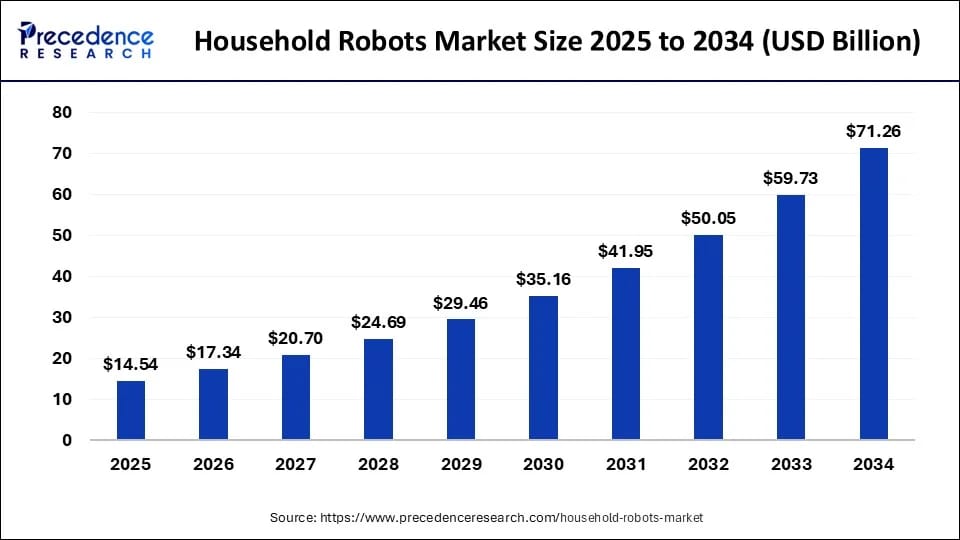
Source: Precedence Research.
Elon Musk already has 800,000 square feet of production space in Texas ready for Optimus, with plans to build 50,000 robots using the same core tech as Tesla cars.
In 2026, visiting a friend’s house and meeting their household robot won’t feel strange. It will feel normal.
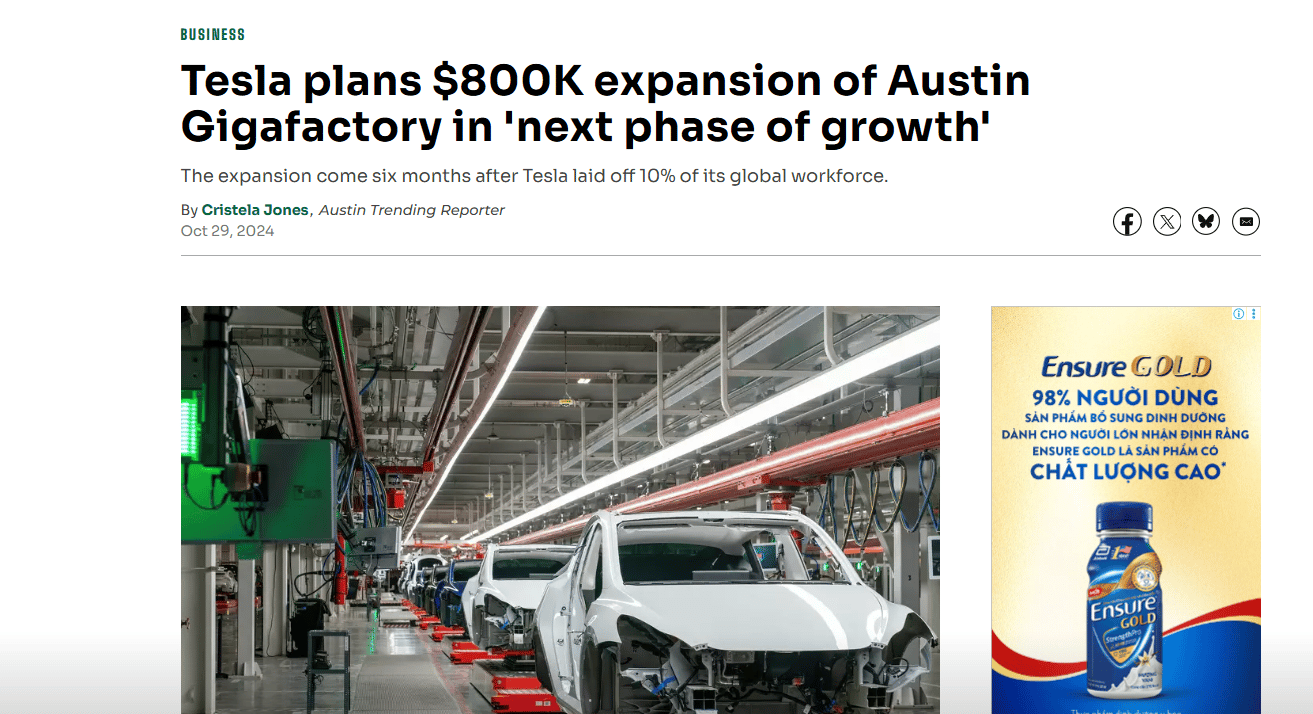
Source: MySanAntonio.
3. What This Means for You
For you, the impact is personal.
Think about all the time you spend on household chores. All that time comes back to: go to the gym, call your parents, read books, spend quality time with kids and take care of yourself.
In the next few years, hiring a human just to clean your home will sound as crazy as hiring a human to run calculations on a calculator.
In this AI trend, your next move is to follow Tesla Optimus, Figure AI and household robotics companies. This is what 2026 already looks like.
VIII. AI Trend #7: AI Robots Will Drive Your Car (Every Car Becomes Self-Driving)
I have good news and bad news. The good news is that, finally, self-driving cars exist and you can see them like Tesla FSD, Waymo or Zoox. But the bad news is that they haven’t changed daily life for most people yet.
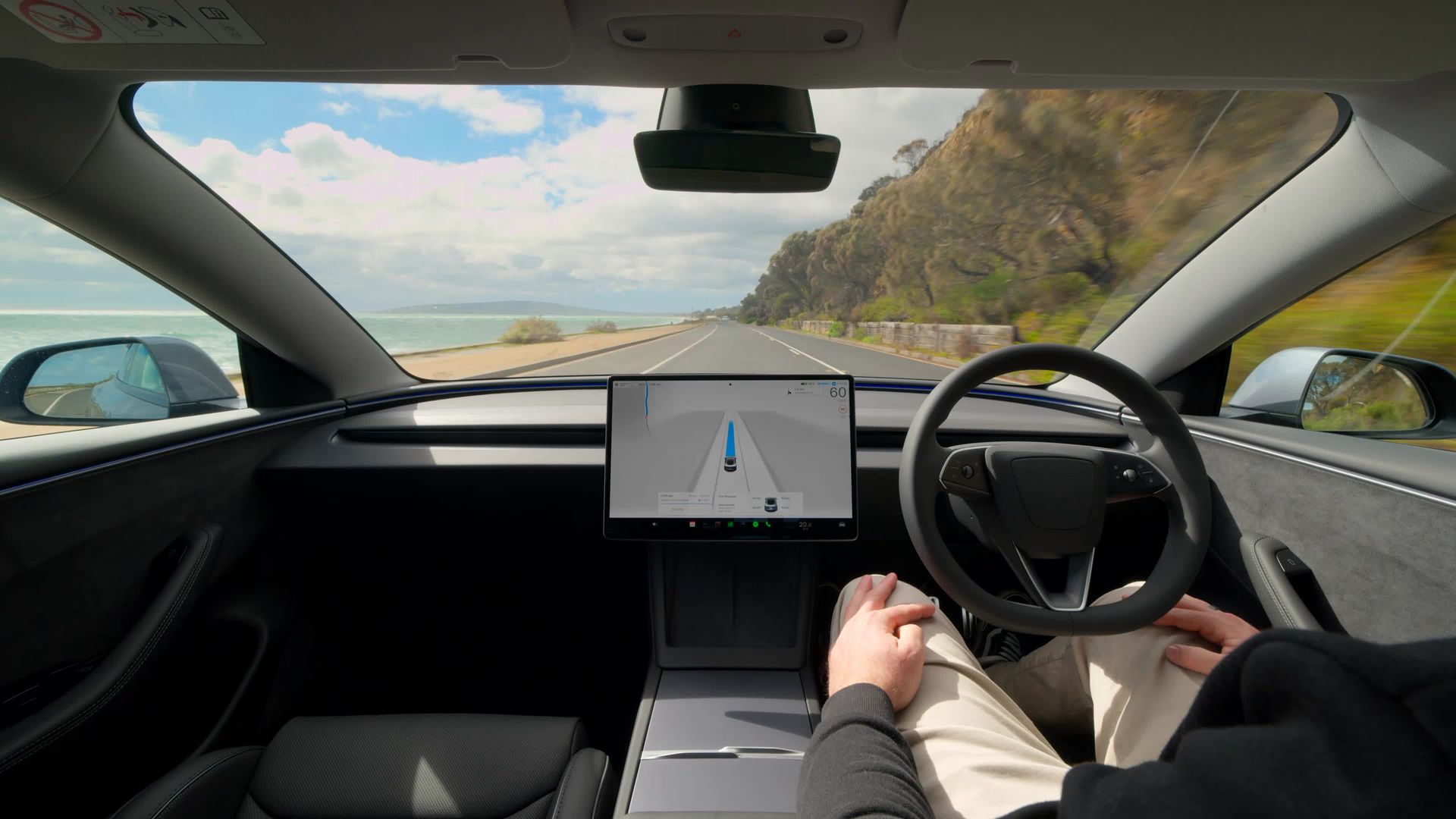
Most car makers have a big problem: they need to learn new AI skills and upgrade hardware across millions of existing vehicles. That process is slow, expensive and hard to roll out at scale.
But there’s an alternative most people haven’t considered. So, instead of upgrading the car, you can upgrade the driver.
No, I don’t mean that you have to become a cyborg or a cyberman. All you need is an AI-powered robot that sits in the driver’s seat and handles the same tasks a human does.
They’ll see the road, press the pedals, turn the steering wheel and navigate traffic. That means almost any vehicle can become self-driving, even something as old as a 2005 Toyota Tacoma.
1. The Technology
This isn’t speculation anymore. Tesla announced it's building 50,000 Optimus robots in 2026 using the exact same software and hardware as their self-driving cars.
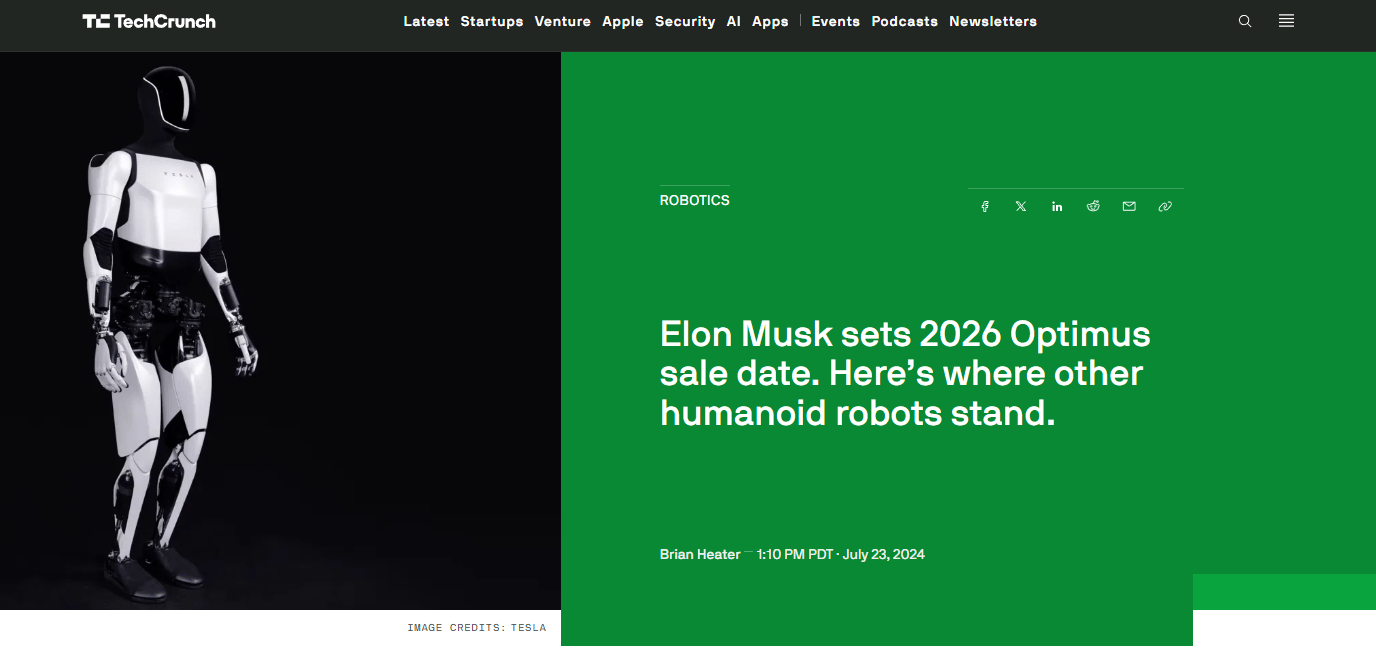
Source: TechCrunch.
The same AI chip built for Tesla vehicles goes into the robots. Once that happens, the line between a car and a driver disappears.
2. What This Means for You
This technology actually changes the way you think about time. Now, imagine sitting in the back seat with your laptop while your AI robot drives. How much more productive could you be?
You can attend meetings, review documents, make calls, write, read or simply rest without worrying about traffic. How cool is that, right?
The real question isn’t whether this will happen. It’s how you’d use the extra 1-2 hours each day that used to be spent driving. If that time came back to you, what high-value work would you actually do?
Creating quality AI content takes serious research time ☕️ Your coffee fund helps me read whitepapers, test new tools and interview experts so you get the real story. Skip the fluff - get insights that help you understand what's actually happening in AI. Support quality over quantity here!
IX. AI Trend #8: AI-Powered Delivery (Fast, Cheap, Everywhere)
Right now, delivery still relies heavily on humans: the Amazon driver, the food delivery person, the FedEx guy. This means you have to wait for specific delivery times, pay high costs for the final delivery and get slower service during high demand.
The most expensive part is the last mile, getting a package from a warehouse to your door.
1. The 2026 Reality
But in 2026, it’s about to change in a visible way. Instead of relying only on people, you'll see delivery drones everywhere, warehouse bots loading packages and last-mile robots running down sidewalks.
In some cities, food delivery robots already drive down sidewalks. They text when they arrive, you take your food out, the robot takes a confirmation picture and off it goes.
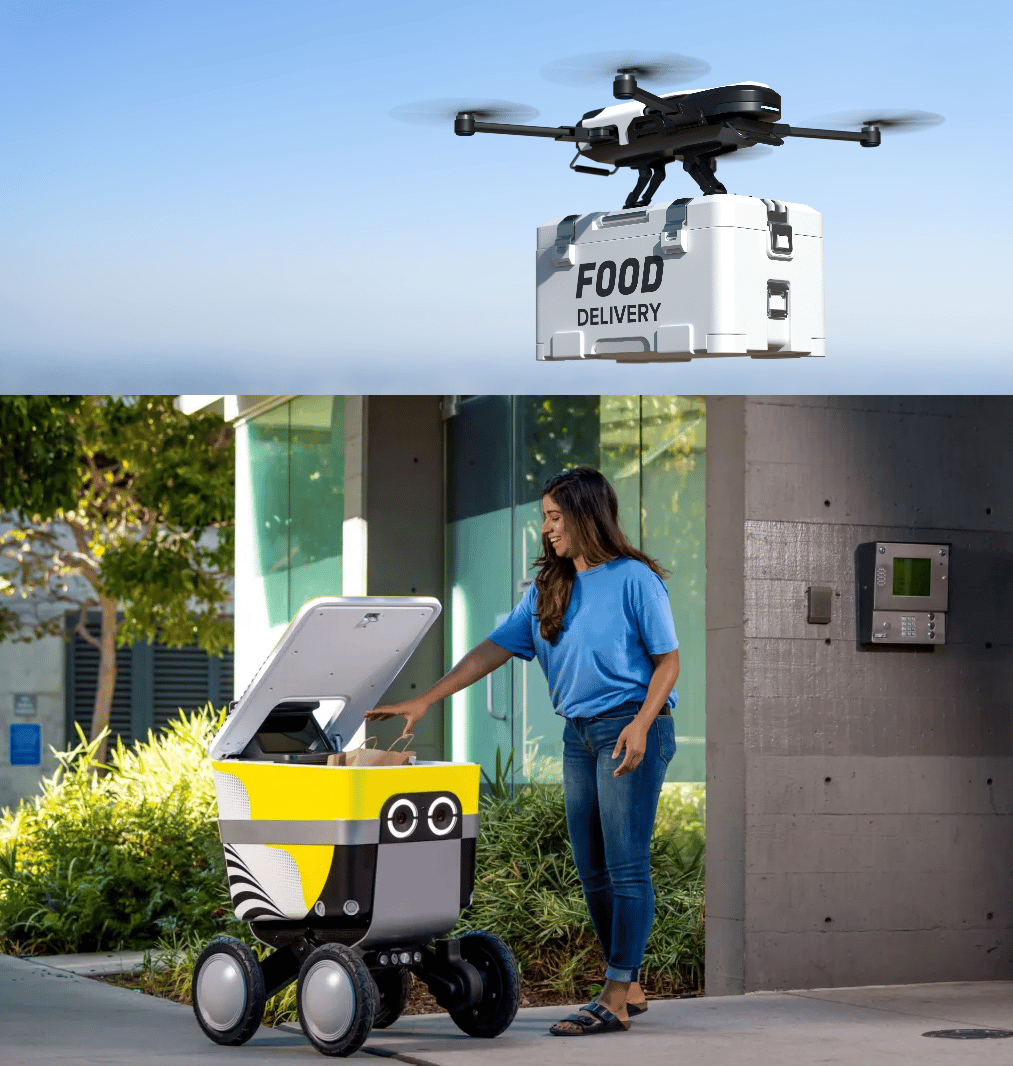
Let’s look at Amazon’s plan; they have made their direction clear. They aim to deliver 500 million packages per year by drone by 2030. The real rollout starts in 2026.
Once this infrastructure is in place, speed and cost stop being trade-offs.
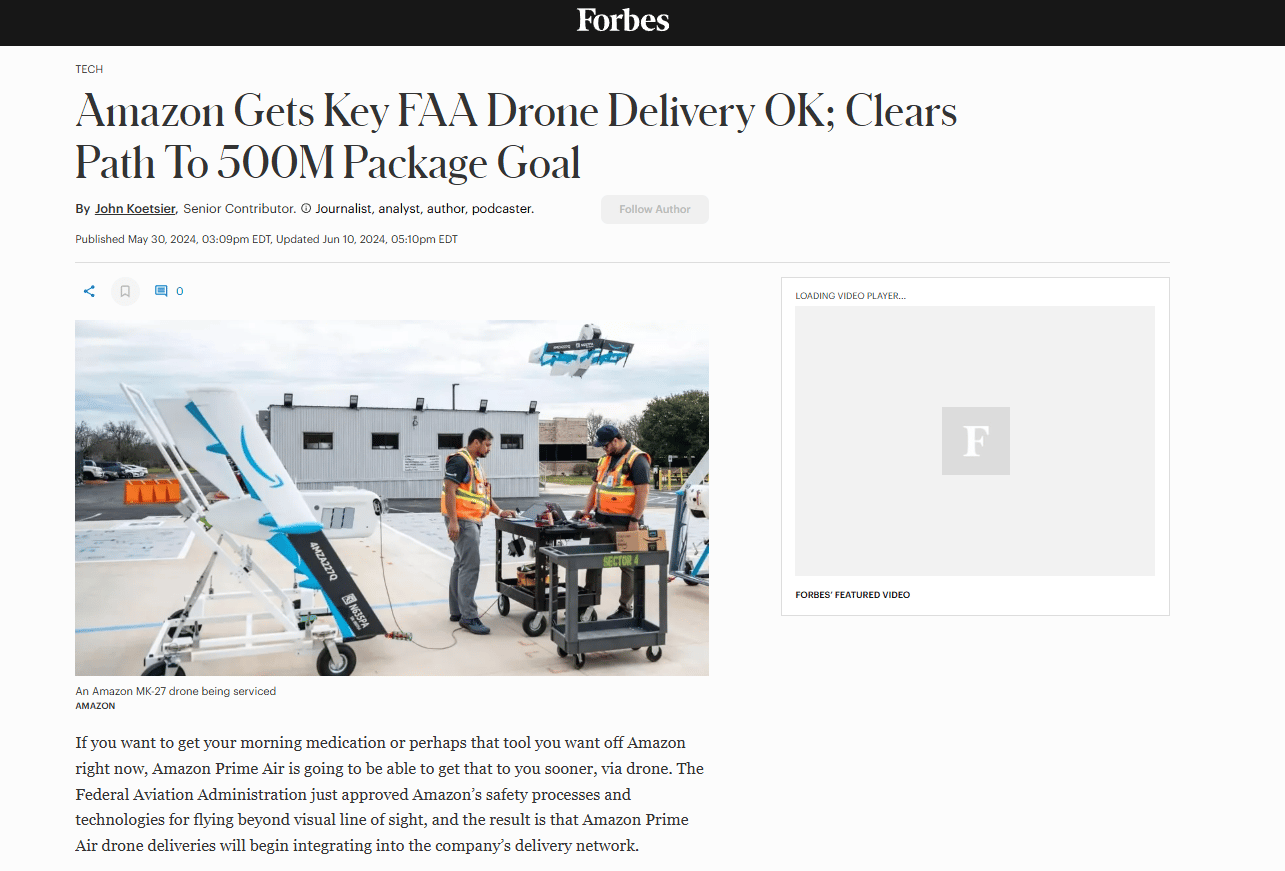
Source: Forbes.
2. What This Means for You
To understand what this means for you, look at it from both sides:
For you as a customer: delivery becomes faster and cheaper. Instead of choosing a single daily window, you start seeing frequent options, sometimes by the hour. Prices also drop because the most expensive part of delivery is no longer tied to human labor.
For you as a business owner: the impact is even bigger. When last-mile costs approach zero, entire business models open up.
We’re moving from people delivering things to things delivering themselves.
If your business touches delivery or logistics in any way, this is the moment to start paying attention and exploring partnerships before the change feels obvious to everyone else.
X. AI Trend #9: Knowing AI Becomes the Biggest Career Advantage
Normally, when you write down the "AI fluency" line in your resume, nearly 50% of people will think you are lazy for using AI and will not value your work.
In most jobs, AI is still optional. Many people experiment with it casually, if at all. Job descriptions rarely require it.
But in 2026, the tone at the top is already changing. The conversation with CEOs has shifted to this: “How do I force my team to use AI? I’m done waiting.”
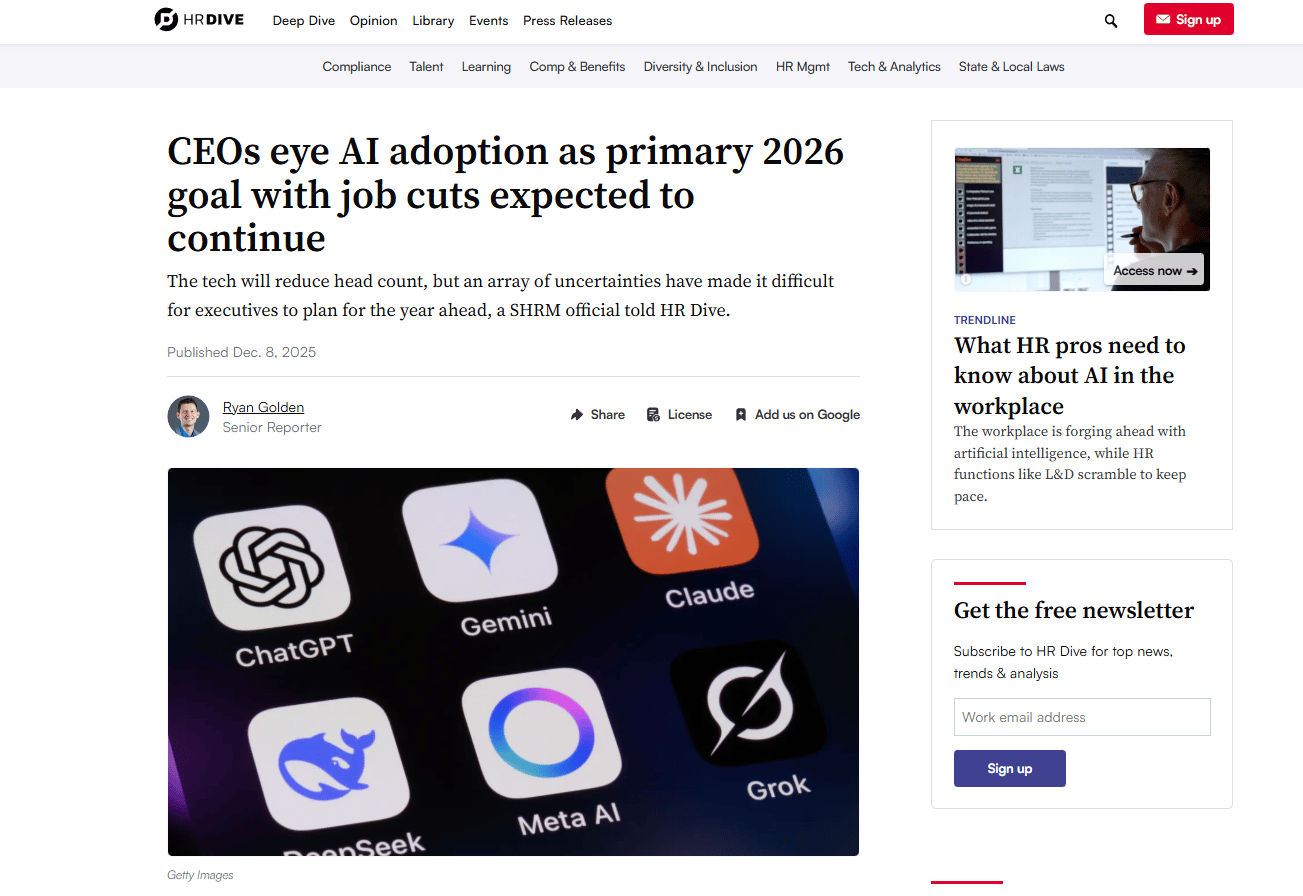
Source: HR Dive.
What will happen to the whole industry:
AI hackathons become the new team-building standard.
Companies are hiring "AI-native" workers who can write code, make apps and set up AI systems.
AI proficiency becomes a baseline requirement, like knowing Microsoft Office.
If you don’t have it, you’ll stand out for the wrong reasons.
2. This Goes Beyond ChatGPT
You might think, “I already know how to use ChatGPT, this is fine.” No, it’s not. I’m sure that you just “chat” with it, maybe you’re probably not even using 50% of its capability.
The real advantage comes from knowing how to work with AI effectively. It means using AI to do your job better, automate repeat work, build workflows, create custom tools and connect AI across teams.
In case you want to check how much you know about ChatGPT, you can read this post about over 30 ChatGPT features that could save time every week.
The data already points in this direction:
LinkedIn job posts mentioning AI have grown 3.5x faster than any other category.
AI skills can boost your salary up to 56%.
The next wave of millionaires and billionaires will come from people who build and apply AI, not just talk about it.
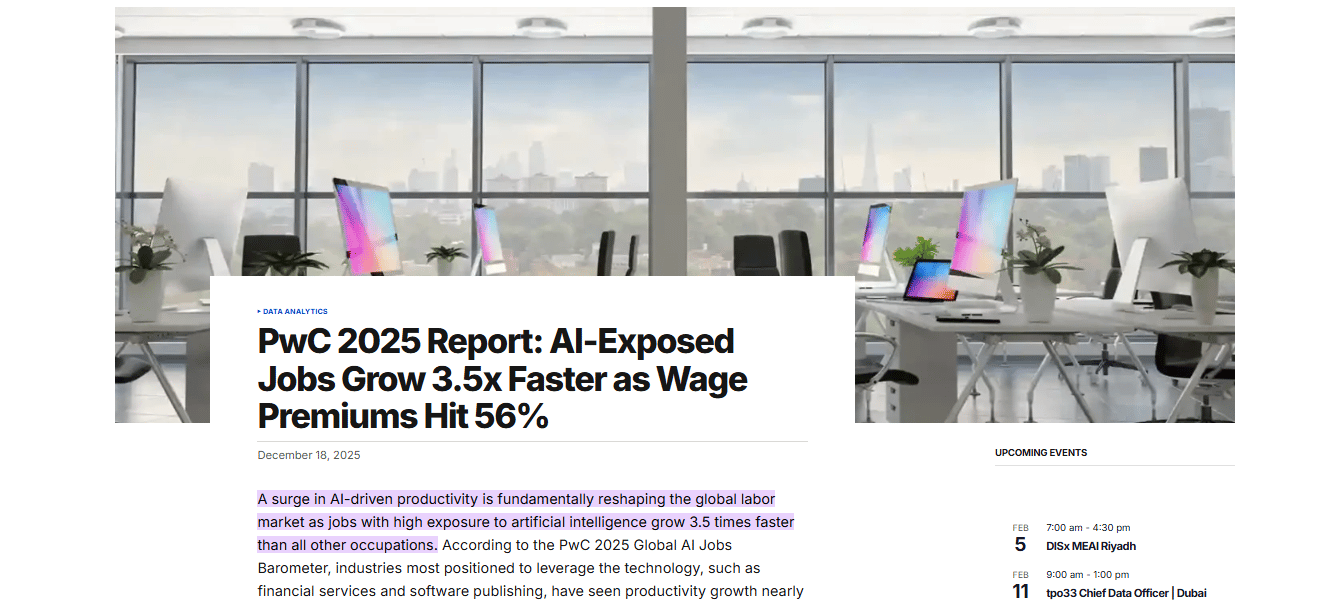
Source: Hyperight.
3. How to Get Started Right Now
The fastest way forward is simple: you use AI to learn AI. Let it close the knowledge gap in real-time:
You ask tools like ChatGPT or Claude to teach you step by step.
You have them explain concepts, walk you through examples, give you practice tasks and critique how you work.
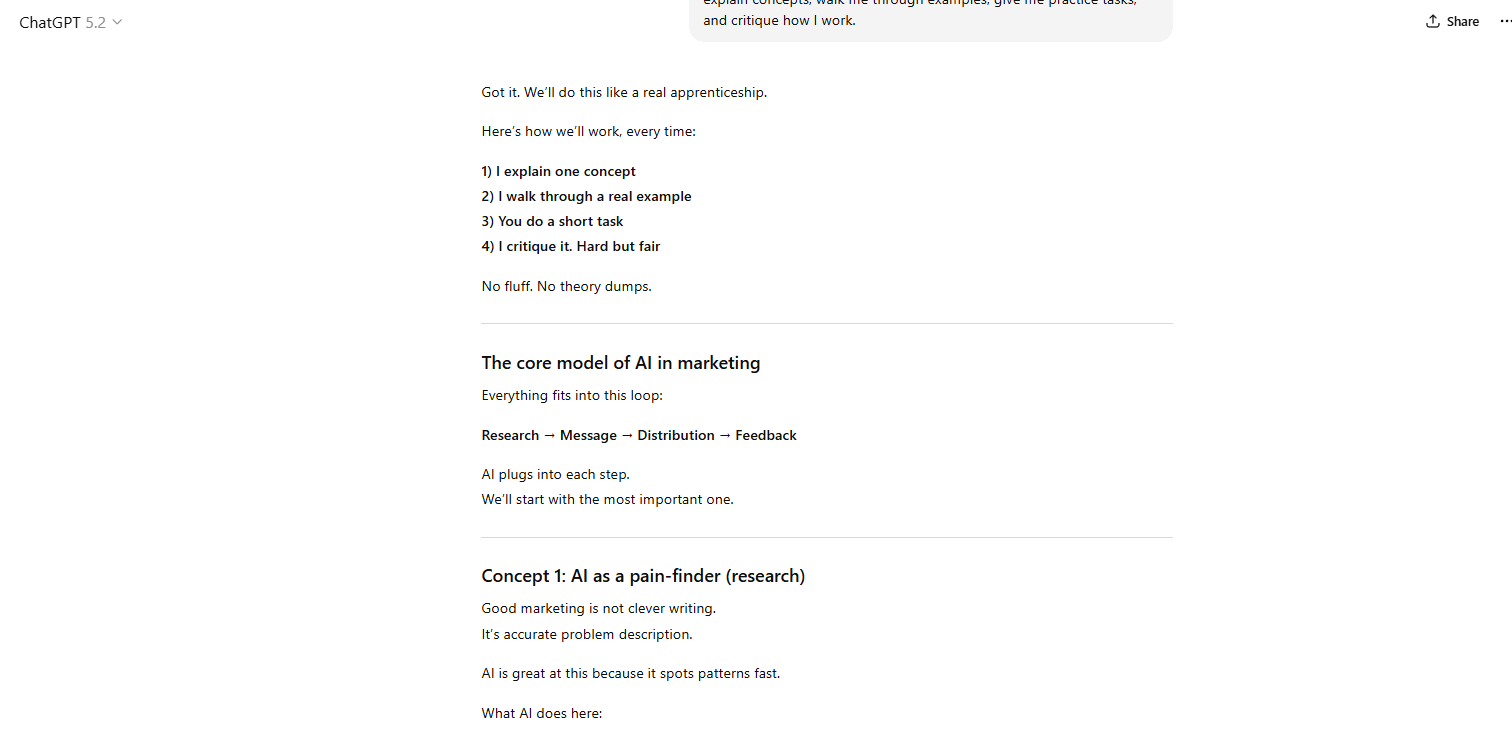
For example, I asked ChatGPT to explain the core idea of AI in marketing.
You close the gap in real time instead of waiting for the perfect course or moment.
You don’t have to start with a big step, just a small one. You commit to learning one new AI skill this week. Begin with prompting, then move into basic automation and then into building a simple AI system.
At this point, knowing AI is becoming the baseline for staying competitive.
XI. Conclusion
2026 is the year the gap between people who use AI and people who avoid it becomes permanent.
After years inside the AI industry (building products, working with engineers and watching what actually scales), the next 18 months are already clear.
The advantage comes from starting now. Here’s what you need to do
Commit to AI learning right now.
Apply it to your business.
Stay ahead of these AI trends.
Take action today
The opportunity exists right now. You either step into it now or you watch others build distance that’s hard to close later. The choice is still yours but the window for easy adaptation is closing.
If you are interested in other topics and how AI is transforming different aspects of our lives or even in making money using AI with more detailed, step-by-step guidance, you can find our other articles here:
The Real Reason You're Still Slow With Al After Months (And How to Fix It Today)
Al Bubble is Bursting!? Here's the Simple Play for Anyone to Still Make Passive Money
Turn Your Old Resume Into an Al That Screens Jobs & Talks to Employers for You*
Al Won't Replace You But It Will Make You Dumber If You Use Al Wrong
How to Attract High-Value Clients in 2026 with Just One Clear Positioning Move*
*indicates a premium content, if any
Reply