- AI Fire
- Posts
- 🧣 The Real Reason You’re Still Slow With AI After Months (And How to Fix It Today)
🧣 The Real Reason You’re Still Slow With AI After Months (And How to Fix It Today)
Execution is cheap now. These 8 habits quietly block speed, learning, and real progress in an AI-driven world.

Max Anh
January 28, 2026
TL;DR BOX
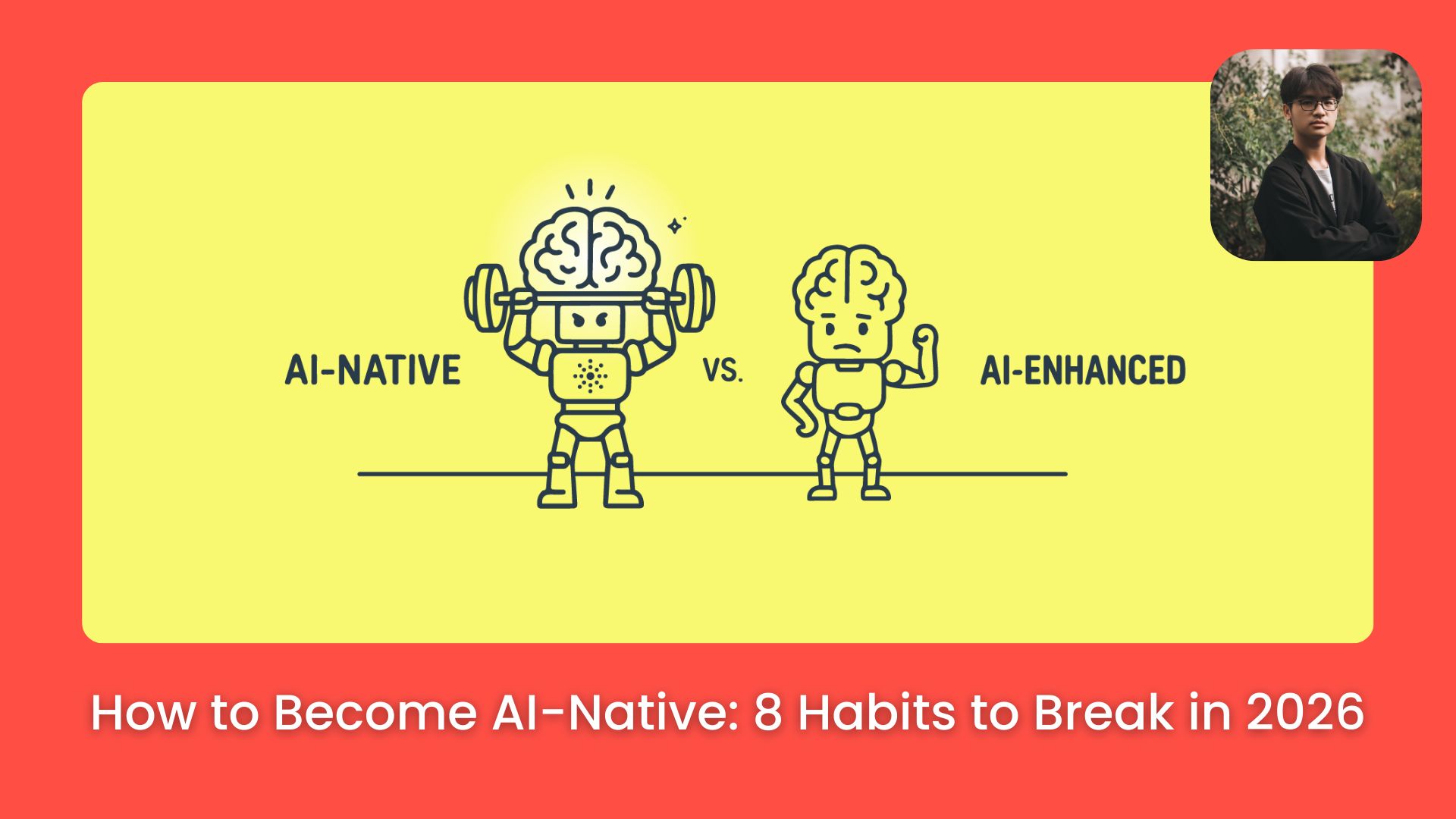
The “chaos” of 2026 isn’t random. It’s a sign that the main bottleneck in work has shifted. For decades, Execution was the most expensive part of any project, leading to rituals like 30-day roadmaps and endless planning meetings. AI flipped the cost structure. Execution is now cheap and fast, while Clarity (knowing what to build) and Distribution (getting it seen) have become the new primary constraints.
To keep up, we must adopt an AI-native mindset by dropping eight habits that only made sense when execution was slow. In this AI-native world, the “PRD” (Product Requirements Document) is often more expensive than the prototype and the only real advantage left is how fast you learn and ship.
Key Points
Fact: Anthropic shipped Cowork in 10 days with a team of four. In some teams, that means dozens of small releases every day.
Mistake: Treating AI pilots like traditional software projects that need 30-day roadmaps. If the meeting to discuss the feature takes longer than building it, your process is broken.
Action: Replace your next "alignment meeting" with a live product demo. Build a rough version first, show it and let reality inform the plan.
Critical Insight
The real bottleneck in 2026 isn't how to build; it's Clarity of Vision. In an AI-native world where anyone can build a business with a prompt, you win by being the person who knows exactly what the customer actually needs.
Table of Contents
I. Introduction
You’ve been using AI for a while. Even following AI Fire closely and yet it still feels like you’re a beginner. I think I know the answer and how to fix it.
The one constant right now is chaos. We all feel the rate of change is crazy, right? But this isn’t random. It’s a symptom of something very specific: the bottleneck moved and most of us are still optimizing for the old one.
In the past, building things was expensive. Because of this, work was mostly about planning, approvals and meetings. That world is over. If you’re still working that way, that’s exactly why you feel stuck.
We’ll explain where the new bottleneck is and the 8 habits to break to start working in an AI-native way.
🐢 What old habit is slowing you down most? |
II. What Do 2 Real-World Scenes Reveal About This Shift?
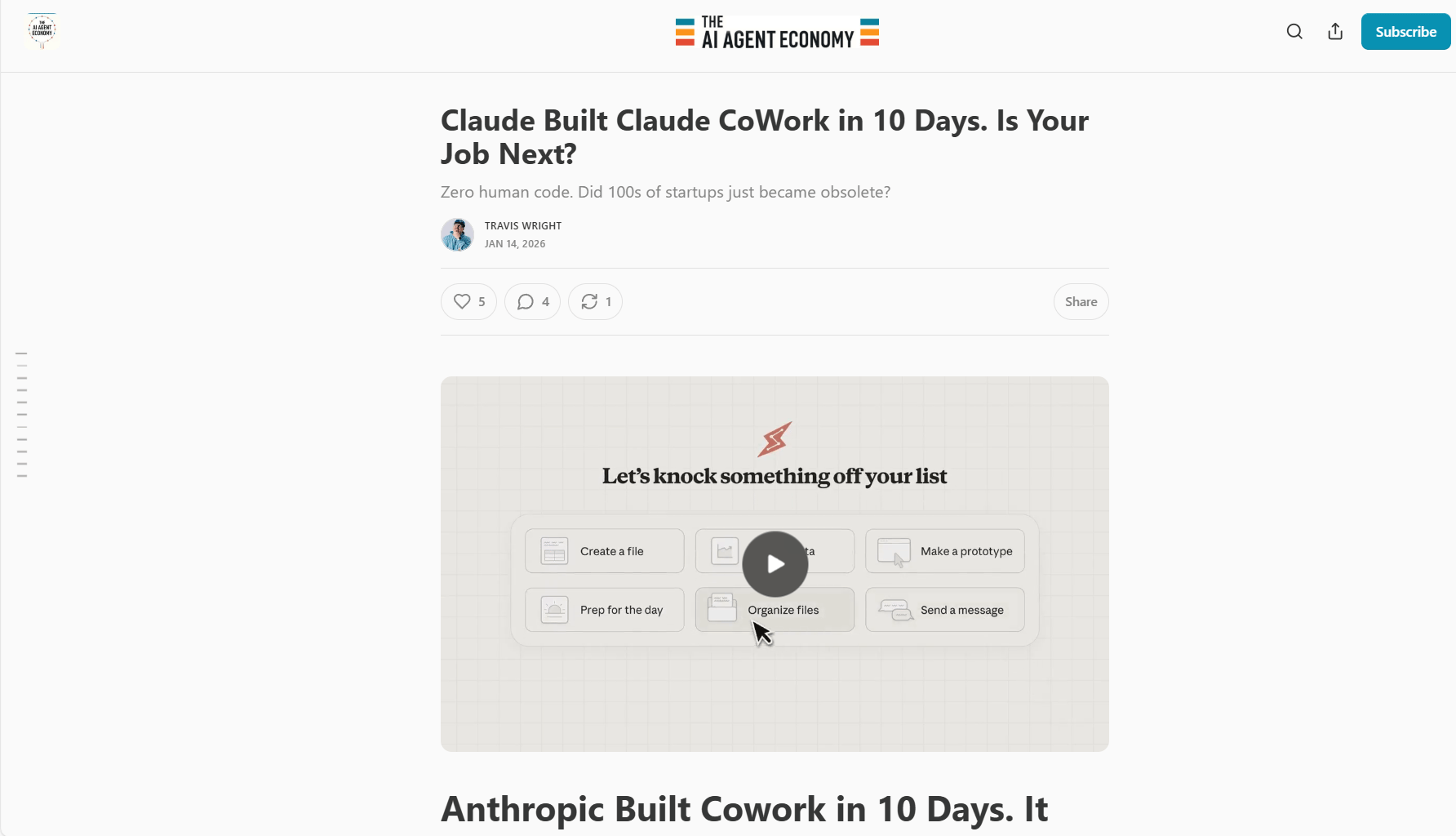
Anthropic built a new product feature in just 10 days with only 4 people. Many companies still ask for 30-day roadmaps before building anything. The gap is not about talent. It is an AI-native mindset.
Key takeaways
Cowork shipped in 10 days.
Teams release dozens of updates daily.
Enterprises still demand long roadmaps.
Planning now costs more than building.
Speed exposes outdated processes fast. To understand an AI-native mindset, you need to look at two different scenes:
Scene 1: Anthropic Ships Cowork in 10 Days
It took 4 people just 10 days using Claude Code, a product that itself is less than a year old.
Source: Substack - The AI Agent Economy.
These folks haven't had years to perfect AI-native workflows. They're figuring it out in real time, just like you. And they're shipping 60-100 releases daily.
Honestly, the new Claude feature isn’t a surprise. It leaked earlier and it was already covered in my previous post. There’s more related news in that write-up, too and it’s worth a read.
Scene 2: Your Company Asks for a 30-Day Roadmap
Meanwhile, at most organizations, there's a conference room where a leader is asking for a 30-day implementation roadmap, phases and milestones, resource allocation plans and capacity protection strategies.
For what? An AI pilot, a feature or a tool. You can feel the disconnect, right?
Learn How to Make AI Work For You!
Transform your AI skills with the AI Fire Academy Premium Plan - FREE for 14 days! Gain instant access to 500+ AI workflows, advanced tutorials, exclusive case studies and unbeatable discounts. No risks, cancel anytime.
III. The Fundamental Truth That Changed
For most of your career, your work habits all answered one question: "What is expensive here?" The answer was always: Execution.
Building things required scarce people (hard to find, hard to train), scarce skills (years of experience) and scarce hours (engineering time was precious).
And back then, that logic was correct. Even Agile tried to optimize around this assumption.
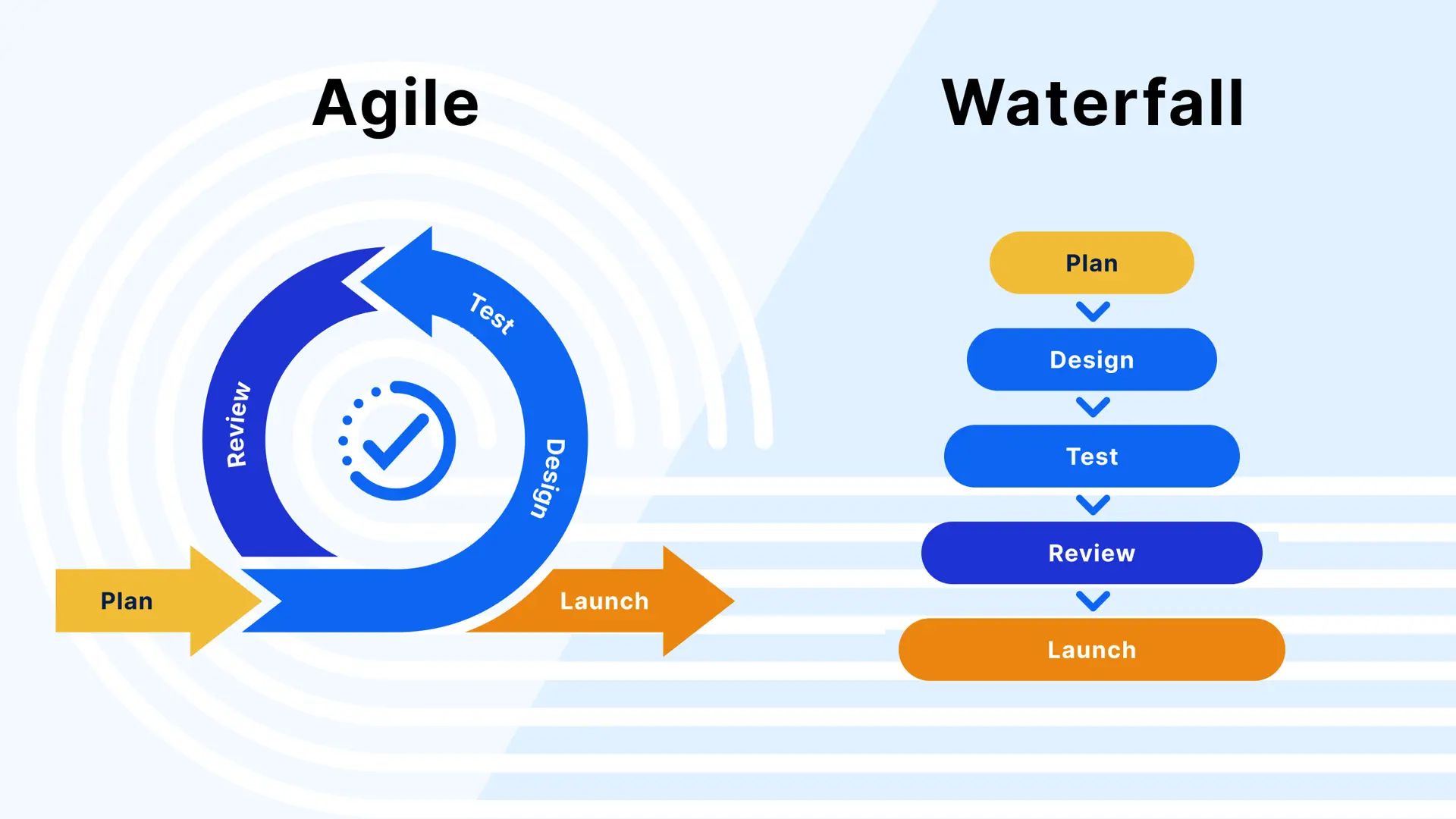
The Agile approach.
1. But AI Reversed the Entire Cost Ratio
Let me show you what the new world looks like:
Cursor, the AI code editor, went from $1M to $500M in annual revenue faster than any SaaS company in history. Now they're launching Cursor for designers, not as a separate product, just as more features inside the same tool. What used to be an impossible product expansion is now another Tuesday at Cursor.
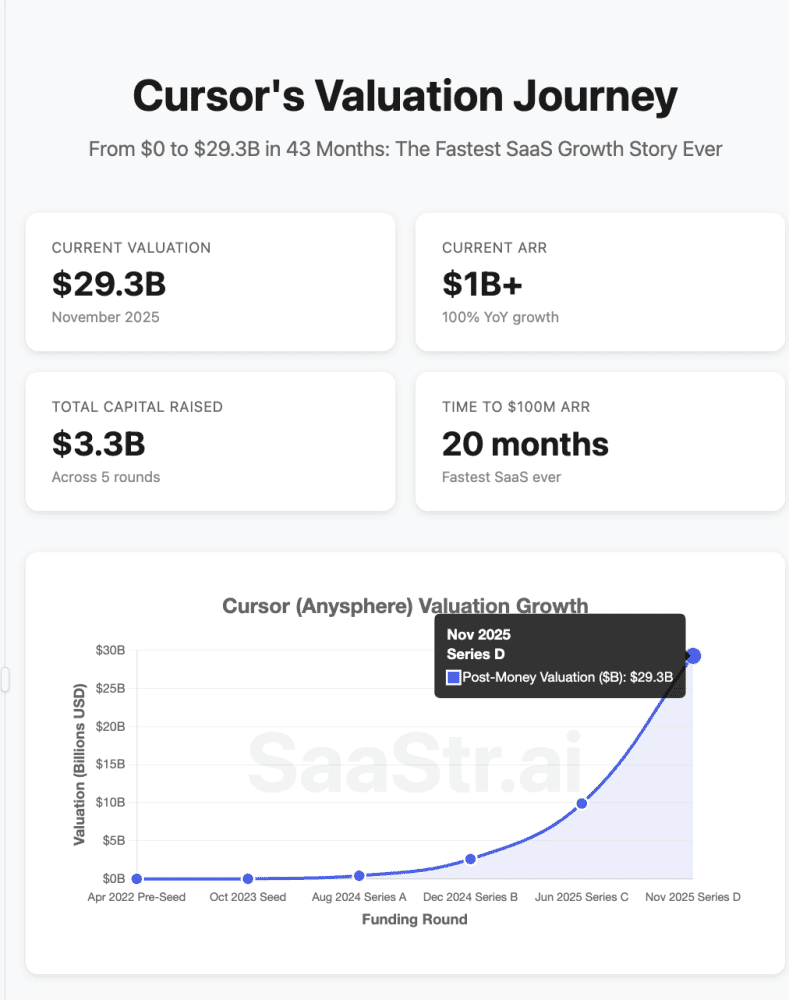
Source: SaaStr.ai.
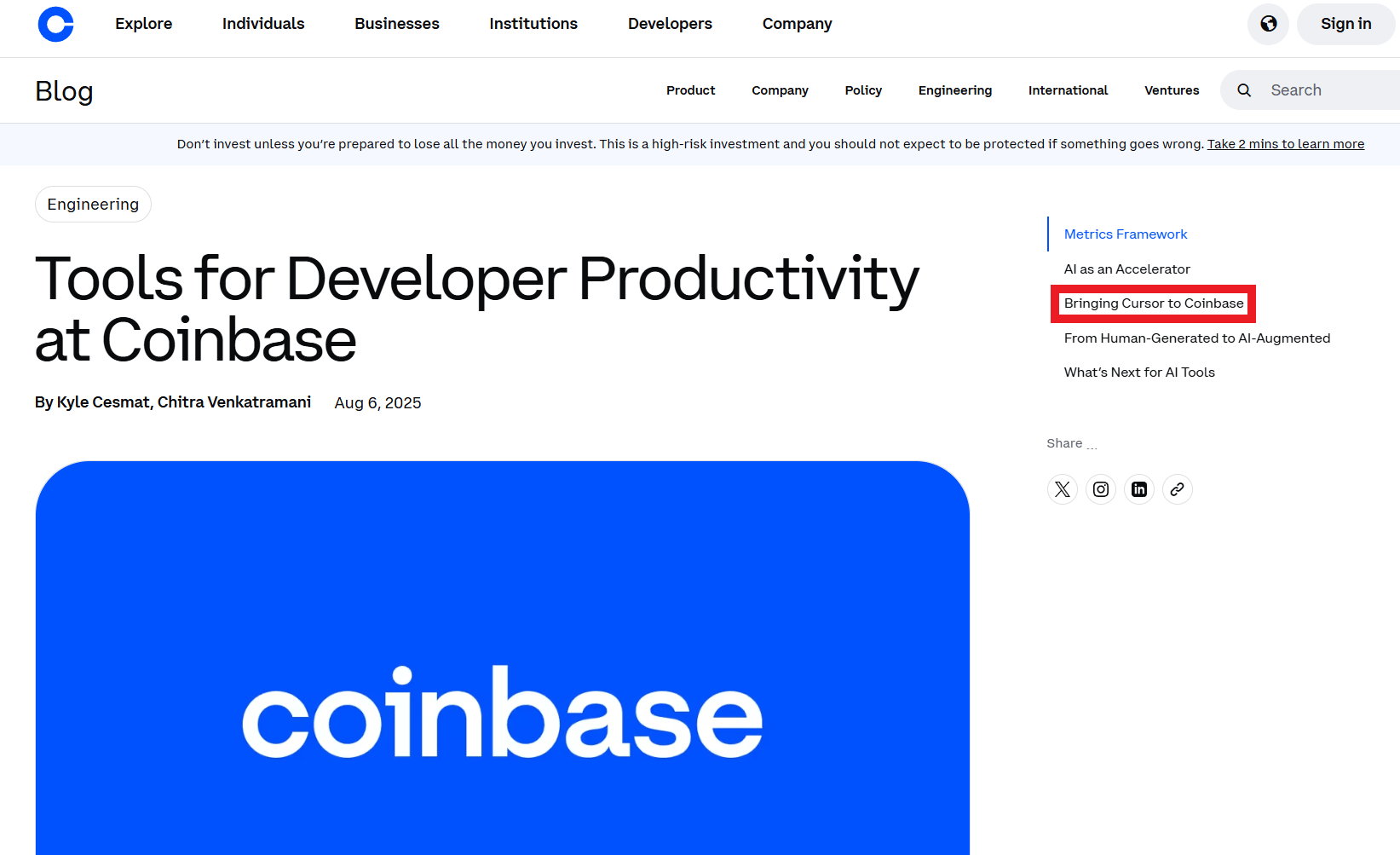
Coinbase engineers report that single individuals are now cleaning up, upgrading or building new codebases in days.
Source: Coinbase.
Today, a meeting to talk about a new feature often takes more time than actually building it. The PRD can take longer than the prototype.
2. The Manufacturing Principle That Explains Everything
Here's a principle from manufacturing that explains what's happening: When you eliminate a bottleneck in a system, the bottleneck moves downstream.
For decades, the constraint in knowledge work was execution. Now that AI has largely removed that constraint, the bottleneck has shifted to:
Clarity: Do you know what's worth building?
Ambition: Are you swinging hard enough?
Distribution: Can you get it into people's hands?
Relationships: Can people trust you to deliver?
And we're still running work habits designed to protect execution capacity.
IV. Where the Bottleneck Moved (The Four New Constraints)
Like I said earlier, the bottleneck doesn't disappear; it moves. When building became fast and cheap, the hard part shifted upstream and downstream.
What used to slow teams down (engineering, tooling, execution) is no longer the limiter but these 4 things are.
1. Clarity: Do You Actually Know What's Worth Building?
You can now build faster than you can think. In a world where anyone can build a business with a prompt, the "billion-dollar question" is no longer how to build but what to build.
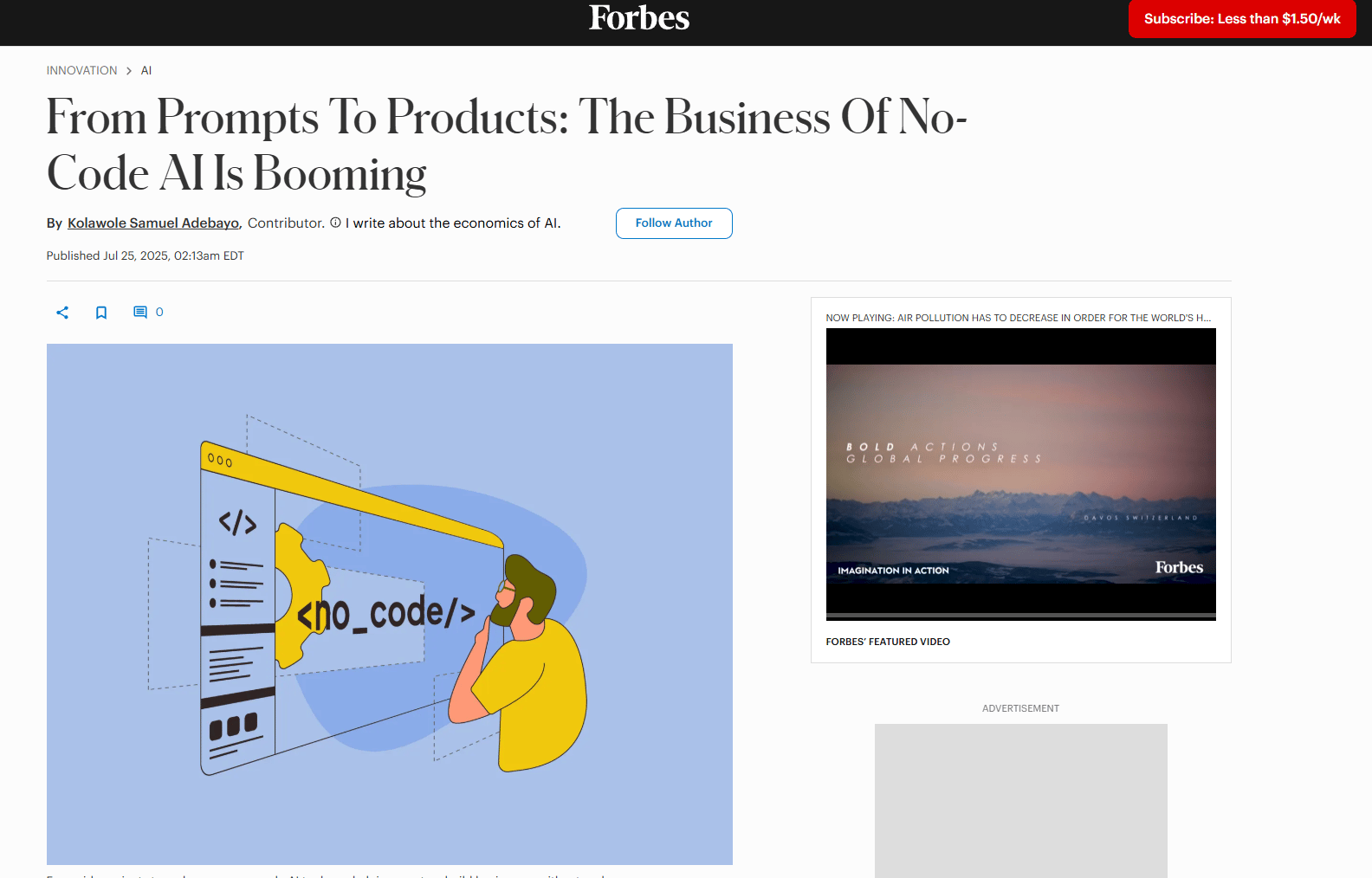
The Business Of No-Code AI Is Booming. Source: Forbes.
Because the bottleneck was never putting the product on the website. It's knowing what product the customer wants.
2. Ambition: Are You Swinging Hard Enough?
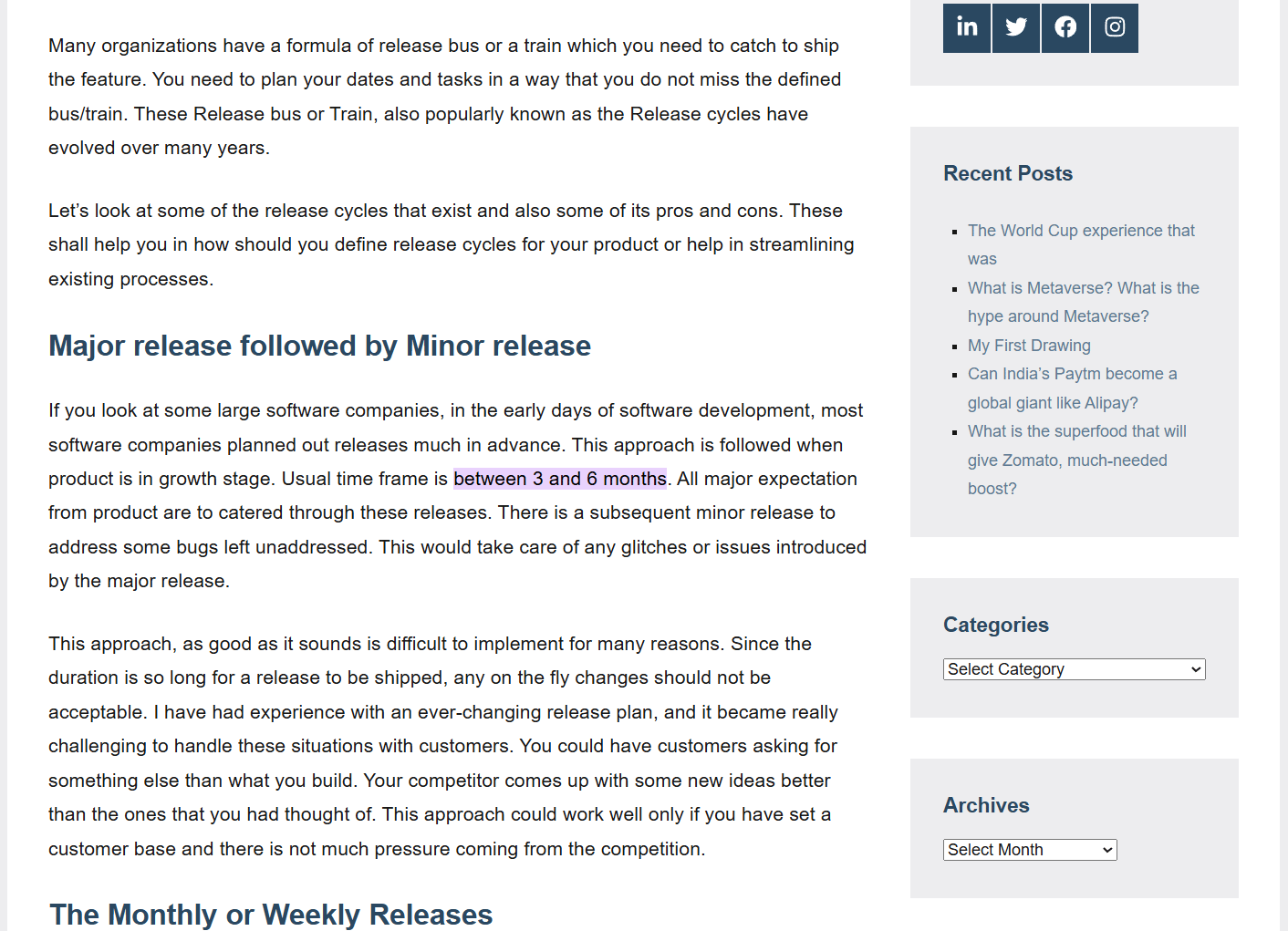
When shipping required a quarter of engineering time, small bets made sense. You might have 3-4 shots per year.
Source: Nikhil Mehta.
But what if you can ship every 10 days? That's 50 swings a year. Your risk is playing too small.
We're going to see a lot of "horseless carriages"; products that use AI to do the same old thing slightly better, instead of reimagining what's possible.
3. Distribution: Getting It Into People's Hands
When everyone can build, the product stops being the real advantage. But distribution is.
Example: Cognition, the makers of Devon (the AI coding agent), partnered with Infosys to deploy across Infosys's 300,000-person team and global client base.
Why? Because Infosys has a distribution. They have decades of enterprise relationships. The technology was the easy part. Reaching customers is hard.

Source: Cognition
4. Relationships: You Can't Vibe-Code Trust
You can’t vibe-code trust. Because when capabilities compound and platforms keep changing, relationships stay durable. This applies to companies and individuals.
You build trust once and it pays off repeatedly.
What do you think about the AI Report series? |
V. 8 Habits You Need to Break Right Now
You’ve probably already felt it. The work feels busy but nothing ships. Here’s what’s actually happening.
Habit #1: The Permission Loop
Before, you were taught to check first. Then get buy-in and align before acting.
AI-Native Reality: Today, asking for permission often takes longer than just doing the thing. The email thread outlives the prototype. The Slack debate outlasts the experiment.
Manus just launched a feature that literally builds the presentation you're discussing while you're having the meeting.
What to Do Instead:
Default to doing.
Build the rough version.
Show it.
Ask forgiveness when needed.
For Leaders: Cast a broader vision so teams can ship autonomously.
Habit #2: Polish as Procrastination
“If you think you only get one shot, make it perfect” → That mindset is not fit anymore. Now people are spending 80% of their time on the last 20% of quality, when the extra value of that polish is dropping fast.
I'm not saying good thinking is going out of style. I'm saying polish is starting to become a way to avoid putting your idea in front of reality.
Even a directionally correct, ambitious idea is enough to get going. The rough version that exists will beat the polished version that doesn't and you can always improve it.
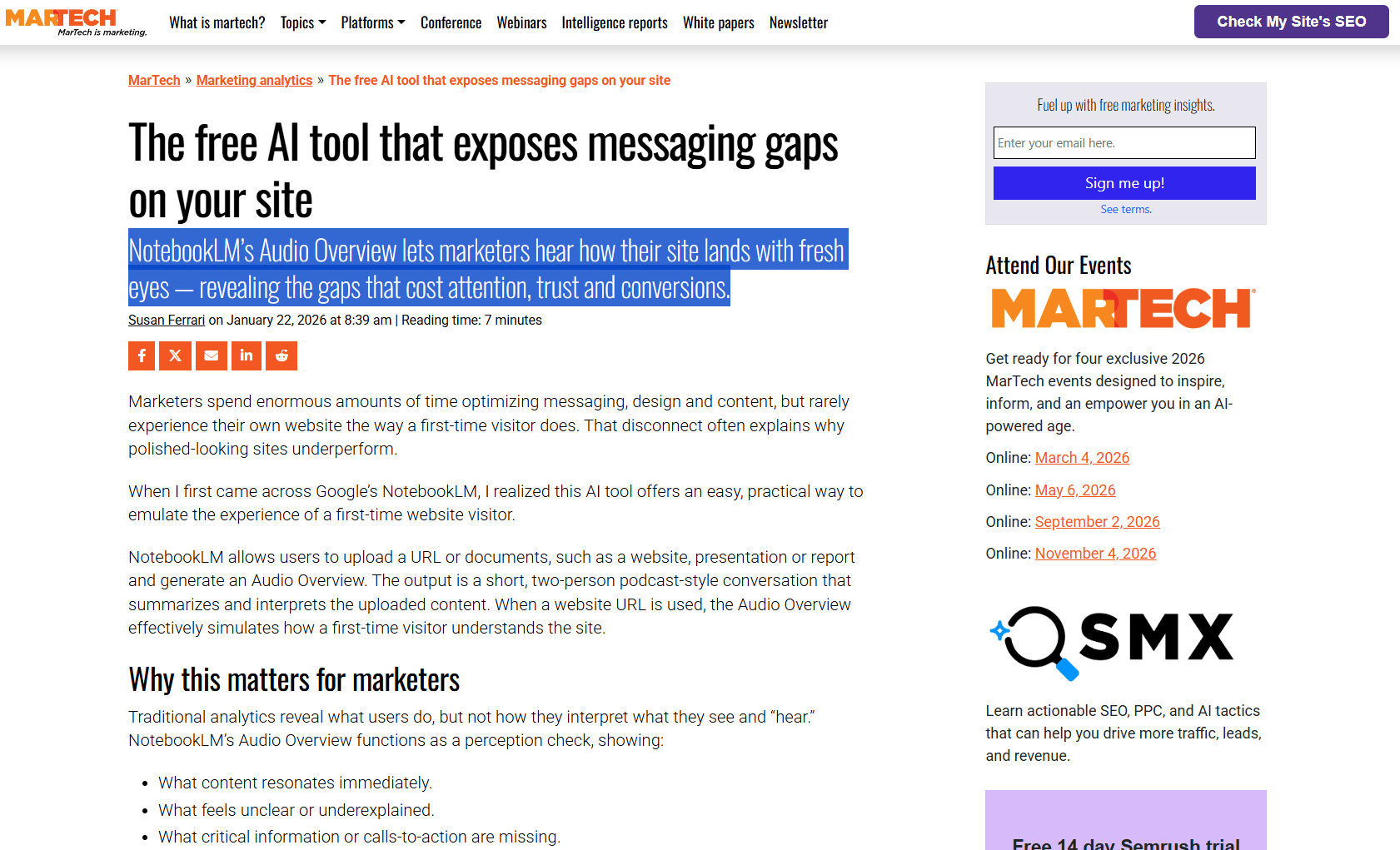
Example: NotebookLM shipped early, learned from real users and was polished later.
What to Do Instead:
Ship ugly.
Get feedback early.
Iterate relentlessly.
Polish as you go.
Source: MarTech.org.
Habit #3: Meetings as Default
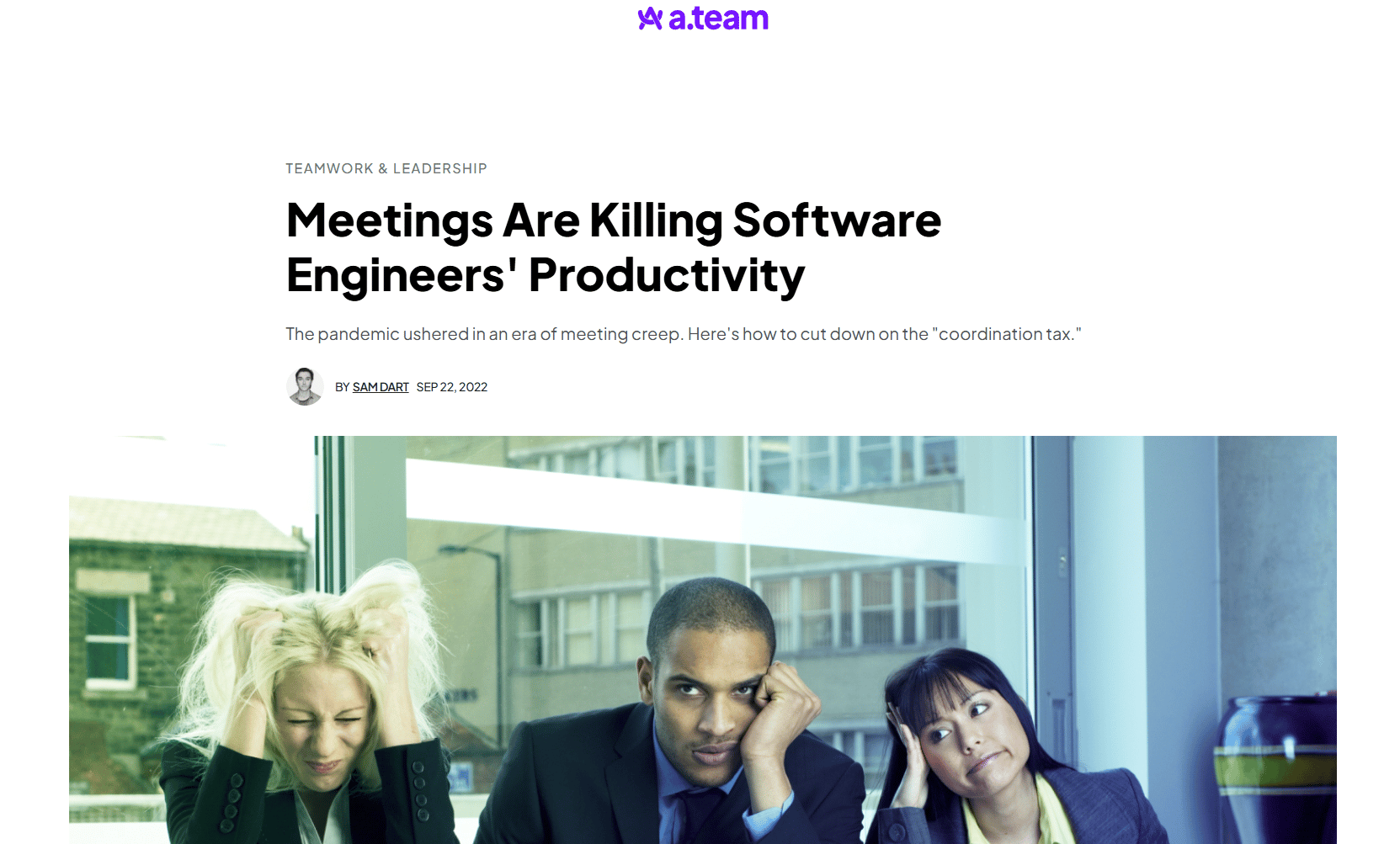
Meetings used to save time by preventing mistakes. Now they often cost more time than building the thing itself. Six people in a one-hour meeting equals six hours of execution gone.
Meetings Are Killing Software Engineers' Productivity. Source: a.team.
But meetings about what to build rarely solve what to build. They surface opinions, create action items and delays.
What to Do Instead:
Replace meetings with product demos.
Next time you schedule a meeting, ask: "What if I built the rough version and showed people instead?"
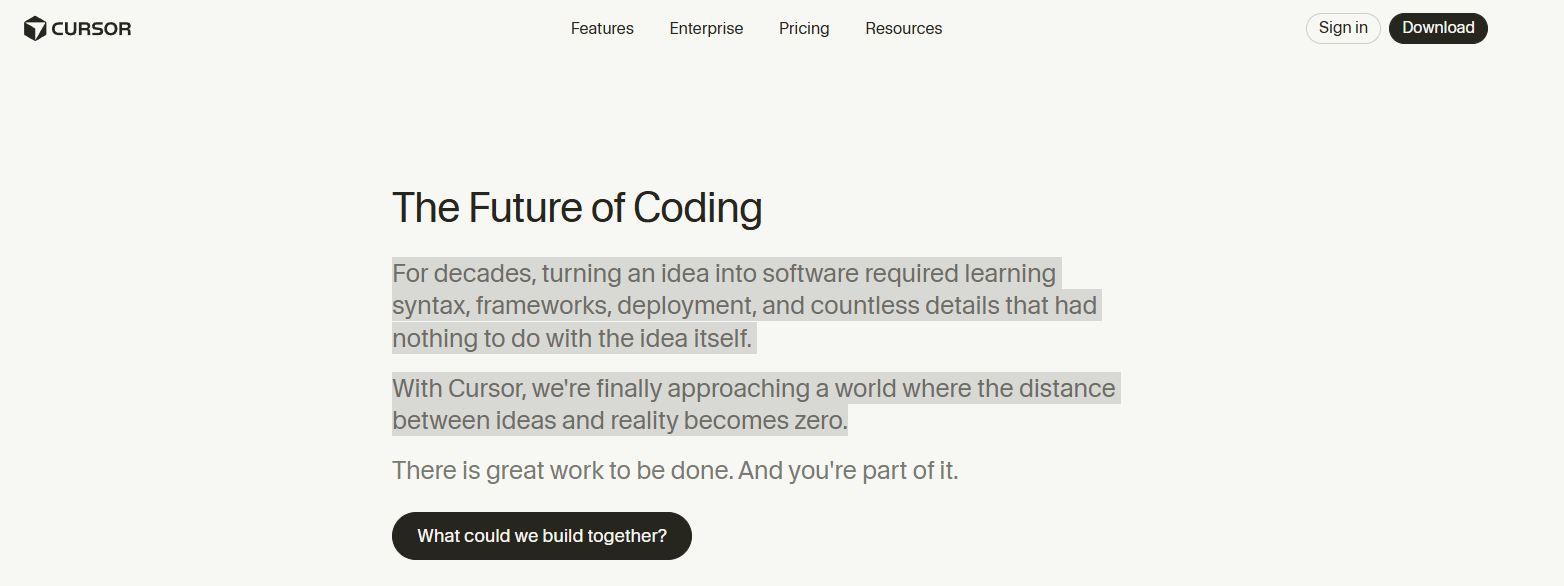
Cursor's foundational principle: Code is a way of getting ideas into contact with reality. Everyone can commit (designers, product and engineering). That saves meetings.
Habit #4: Structured Waiting
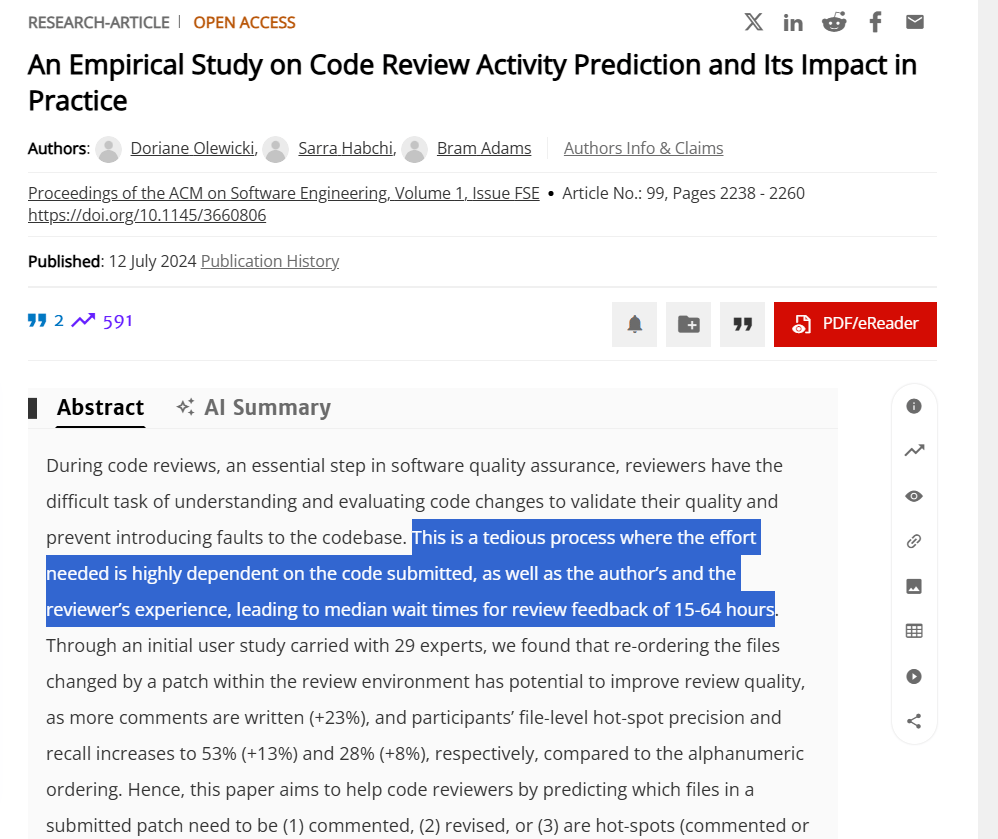
Coordination is important, right? You wait for the sync, for the feedback and for approval.
Most of what you're waiting for doesn't need to be waited for. Work pauses while someone reviews, replies or approves. Now it blocks progress that could have produced a prototype instead.
What to Do Instead:
Stop waiting.
Do the next thing while you wait for feedback on the first thing.
Assume the answer is yes.
If you're blocked on a decision, make a quick decision to keep moving.
Leaders: Cast a vision large enough that teams always have something to work on without getting stuck waiting.
Source: ACM Digital Library.
Habit #5: We've Reversed Planning and Doing
You were told planning is cheap and execution is risky. But it’s not true anymore.
Now execution is cheap and planning is the expensive part. Ironically, the plan is almost always incorrect. It never survives contact with reality.
What to Do Instead:
Cut your planning by 90% (I'm serious).
Replace it with learning through prototyping.
Bold rough direction + aggressive shipping + optimize for what works.
Let reality inform the plan instead of trying to predict reality.
Prediction has become expensive and luxurious because execution is cheap and more accurate.
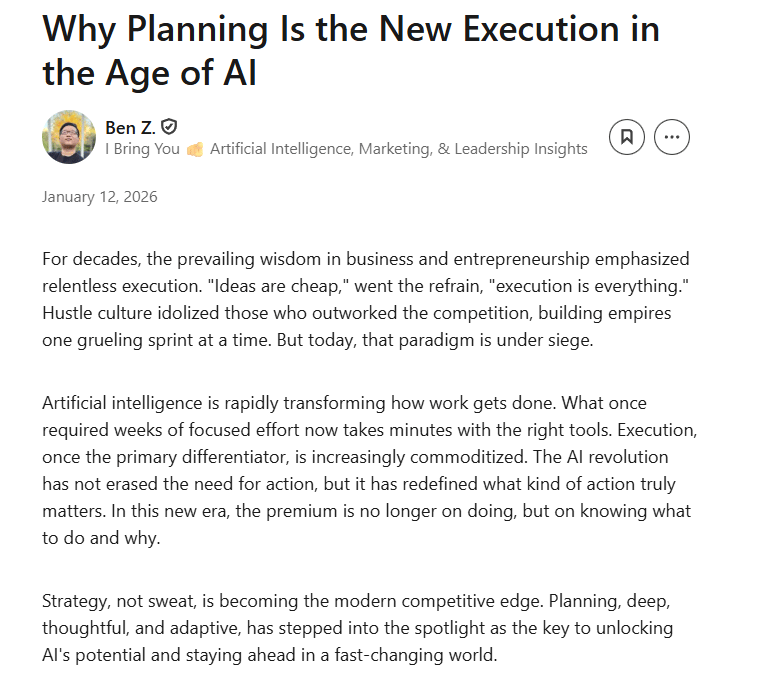
Why Planning Is the New Execution in the Age of AI. Source: LinkedIn.
Habit #6: The Deck Instead of the Demo
A working demo answers questions faster than 30 slides ever will.
Work is getting much simpler. Why not just do the work? Why not just ship it to customers?
Habit #7: Agreement Before Action
In the old way, you were taught to align everyone before moving. Now, agreement is one of the most expensive things you can chase and often it’s fake agreement. People agree in meetings, then resist later.
What to Do Instead:
Let agreement come from results that create alignment.
Try things.
"I tried X and here's what happened" is more persuasive than "Let's agree to try X".
Run the experiment first, then everyone will align when they see the data.
Creating quality AI content takes serious research time ☕️ Your coffee fund helps me read whitepapers, test new tools and interview experts so you get the real story. Skip the fluff - get insights that help you understand what's actually happening in AI. Support quality over quantity here!
Habit #8: Hoarding Until Ready
I know that you don’t show work until it’s complete. Because half-finished work wastes other people’s time. But that usually means feedback arrives late, after you’ve already committed to a direction.
Shipping is basically free now but ego still slows you down. You wait because you don’t want to look wrong in public, even though showing something rough today saves you weeks of quiet mistakes.
What to Do Instead:
Show half-finished work.
Get feedback early.
Put thought into the direction but don't wait for perfection.
Here’s a one-page checklist that summarizes the old habits to drop and the AI-native habits to adopt.
VI. The Counter-Argument: "But Quality Matters in My Domain"
I hear you. Some fields have high legal and compliance risks: medicine, law and finance.
But how much of the process you're following is actually required and how much is just "the way things have always been done"?
Most of us, when honest, realize we have more freedom than we're using. The habits that feel mandatory are often just defaults that nobody has questioned.
If you care about quality and compliance, you’ll still meet the rules.
VII. Why Does Speed Now Define Advantage?
Everyone has the same LLMs. What makes you AI-native is your habits. Speed is your biggest advantage.
Key takeaways
Tools are widely available.
Speed differentiates outcomes.
Learning cycles compress.
Momentum wins markets.
The people who figure this out first will operate at a speed that feels like Anthropic and Cursor and less like traditional big companies.
They won't be faster because they have better tools. They will be faster because they stopped doing things that are no longer worth doing:
Shipping while others plan.
Iterating while others align.
Learning while others polish.
VIII. The Chaos Makes Sense Now
Circle back to the beginning: I said the one constant is chaos. The chaos you're feeling is not random. It’s the gap between where the bottleneck moved and the habits you’re still using.
When you close that gap, when you align your work habits to how AI actually changes scarcity, suddenly:
You'll know where to spend your time.
You'll understand why you need to move faster.
The chaos will start making sense.
You see why meetings can’t be the default anymore. Why the next “vibe-coded” product isn’t just AI news but someone pushing an idea into reality fast. And you realize the real scarce resources in your career are clarity, ambition and distribution.
IX. Conclusion: Get in Sync
In a world that feels chaotic, recognize that so much of the chaos comes from being out of sync with where AI is pushing scarcity.
Work feels chaotic because AI is fast but our old habits are slow. Let's get that figured out and things will start to get smoother.
It’s time to move with the bottleneck instead of fighting it.
If you are interested in other topics and how AI is transforming different aspects of our lives or even in making money using AI with more detailed, step-by-step guidance, you can find our other articles here:
*indicates a premium content, if any
Reply